


More news on this day
Thousands of passengers across the United States faced a bruising day of air travel on June 7, 2026, as publicly available tracking data showed 930 flight cancellations and 11,179 delays, with disruption concentrated at major and mid sized airports including Denver, Pensacola, San Francisco, Portland and Kansas City and rippling across the networks of United and its regional partners Envoy, Jazz and Republic.
Get the latest news straight to your inbox!
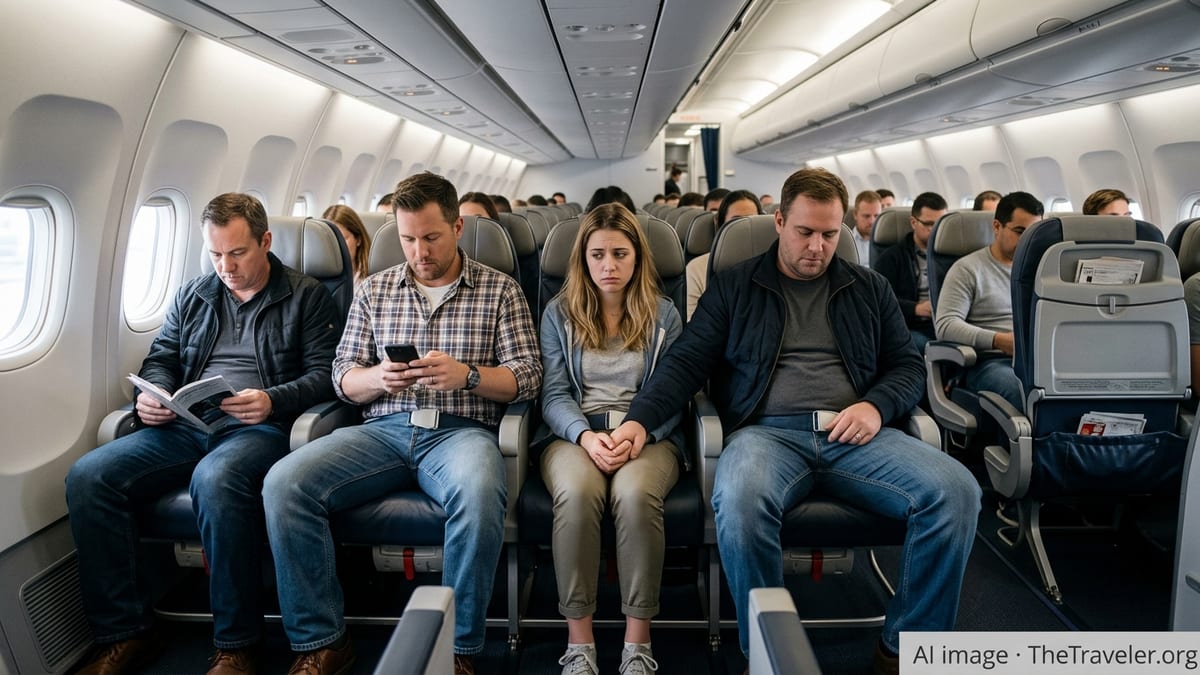
National Totals Reveal Another Severe Day for U.S. Aviation
Aggregated figures from real time flight tracking services for June 7 indicate that the United States once again ranked among the most disrupted air travel markets worldwide, with 930 cancellations and 11,179 delayed departures or arrivals logged by mid to late evening. The totals place the day among the more difficult periods of the current summer travel season, although not at the level of the most extreme weather driven meltdowns seen in recent years.
Published coverage notes that similar disruption patterns earlier this month produced several thousand delays and hundreds of cancellations in a single day, underscoring how quickly strain can build in a tightly scheduled network. Against a backdrop of strong demand and busy weekend traffic, the June 7 figures translated into long lines at check in desks, crowded departure halls and extended waits at gates across the country.
A mix of localized thunderstorms, lingering operational challenges and tight aircraft and crew rotations appears to have contributed to the day’s problems, according to publicly available weather and schedule data. While no single nationwide outage or system failure was identified, the cumulative effect of rolling delays at key hubs and regional airports left many passengers facing missed connections and overnight stays.
Industry data from transportation regulators highlights how quickly minor schedule disruptions can cascade into widespread delays, especially when airlines operate with limited slack in aircraft utilization and staffing. Historical statistics for carriers such as Envoy and Republic, for example, show how percentages of delayed or canceled flights typically rise when weather and air traffic constraints combine with crew time limitations.
Denver and Western Gateways Struggle With Rolling Delays
Denver International Airport again emerged as one of the focal points of disruption on June 7. Departure boards and airport information feeds showed multiple services to regional and coastal destinations running significantly late or being retimed into the evening, affecting connections for travelers heading across the Mountain West and beyond.
Publicly accessible airport data from other cities illustrates how delays radiated along Denver linked routes. In Jacksonville, for instance, a United service from Denver was recorded as arriving more than five hours behind schedule by late afternoon, a sign of earlier upstream issues feeding into downline operations. Similar patterns appeared at other mid sized airports that rely heavily on connections through Denver.
On the West Coast, San Francisco International and Portland International both reported a busy day of schedule changes, with a mix of late running mainline and regional flights. Timetables for services shuttling between Portland, San Francisco and other western gateways showed compression of departure times, aircraft swaps and gate changes, the types of measures airlines often employ when trying to recover from earlier delays.
While not every airport reported severe knock on effects, the combination of altitude, summer storm activity and Denver’s role as a key connecting hub meant that problems there tended to echo across multiple states. Travelers who began their journeys on time from smaller western cities frequently encountered missed onward flights and limited same day alternatives.
Pensacola, Kansas City and Other Regional Airports Feel the Impact
Beyond the country’s largest coastal hubs, June 7 also proved challenging at a range of regional and secondary airports. Departure and arrival grids from Pensacola, Kansas City and similar facilities showed a steady pattern of delays on services operated on behalf of larger carriers, even when individual flights ultimately departed.
In some cases, morning or midday flights from these airports reached their destinations close to schedule, but later rotations began to slip as aircraft and crews arrived late from disrupted hubs. Published coverage of recent travel days has emphasized how these smaller nodes often bear the brunt of recovery operations, with passengers seeing flights repeatedly pushed back in short increments before departure.
Kansas City, which connects into multiple national networks, experienced congestion at certain banks of departures as delayed inbound aircraft compressed the timeline for turnarounds. Pensacola, dependent on a relatively small set of routes, saw schedules reshuffled as airlines attempted to preserve connectivity to primary hubs while coping with aircraft out of position.
Travelers using these airports reported through social media and public forums that rebooking options were often constrained, particularly for those aiming to reach smaller final destinations that rely on just one or two daily frequencies. When a single flight is canceled or heavily delayed in such markets, same day alternatives can be scarce.
United and Regional Partners Envoy, Jazz and Republic Under Scrutiny
The June 7 disruption brought renewed attention to the performance of United Airlines and its constellation of regional partners, including Envoy, Jazz and Republic, which together operate a substantial share of domestic connecting traffic under major carrier brands. Publicly available statistics show that these regional operators often face higher relative rates of delay and cancellation than their mainline counterparts, in part because they operate shorter routes with tighter turnaround schedules.
Transportation department summaries and earlier seasonal data indicate that Envoy and Republic have historically recorded notable proportions of late and canceled flights during periods of system stress, reflecting the vulnerability of smaller aircraft flying into congested hubs. When weather or air traffic constraints slow arrivals into a major airport, regional jets are frequently among the first services to be held or retimed.
On June 7, timetable data and flight boards at airports such as Denver, Portland and Kansas City showed multiple services marketed by large carriers but operated by regional affiliates experiencing long delays. In some cases, flights were pushed back repeatedly before departure; in others, services were eventually removed from departure screens as cancellations, forcing passengers to seek rebooking through call centers and digital channels.
Publicly accessible consumer guidance from aviation regulators stresses that, regardless of whether a flight is operated by a mainline carrier or a regional partner, the marketing airline is generally responsible for handling customer care and rebooking. However, the complexity of multi carrier arrangements can add to traveler confusion during widespread disruptions such as those seen on June 7.
What Passengers Can Expect After a Day of Systemwide Disruption
Experience from previous disruption events suggests that the operational impact of a difficult day like June 7 can linger for at least another 24 to 48 hours, as airlines work to reposition aircraft and crews while trying to operate full summer schedules. Travelers booked on early morning departures on June 8 from Denver, San Francisco, Portland and other affected hubs were advised through public airline status tools to monitor their flights closely for any overnight changes.
Consumer information resources recommend that passengers facing cancellations or severe delays document their original itineraries and keep all receipts for incidental expenses, as some airlines may offer meal vouchers, hotel accommodations or partial reimbursements, depending on the cause of the disruption and the carrier’s policies. These benefits are generally more limited when problems are attributed to weather or air traffic control constraints, but may be more extensive when delays stem from issues within an airline’s control.
Analysts monitoring flight performance trends note that the June 7 figures reinforce the importance of building more resilience into U.S. aviation operations, particularly as demand remains strong and summer storm patterns intensify. Suggestions frequently emphasized in public travel guidance include booking earlier departures where possible, allowing extra connection time at major hubs and using airline apps and tracking tools to react quickly when schedules begin to unravel.
For the thousands of passengers caught up in June 7’s wave of cancellations and delays, however, the focus remained less on long term policy debates and more on finding seats on the next available flight. As airports from Denver to Pensacola gradually cleared overnight backlogs, many travelers were still contending with lost vacation time, missed events and the financial and emotional costs that come with a severely disrupted journey.