


More news on this day
With record-level Labor Day demand, gas prices above 4 dollars per gallon nationally, and roads and airports nearing peak volume, travelers over the September 5–7 holiday window face longer-than-usual delays unless they plan carefully.
Get the latest news straight to your inbox!
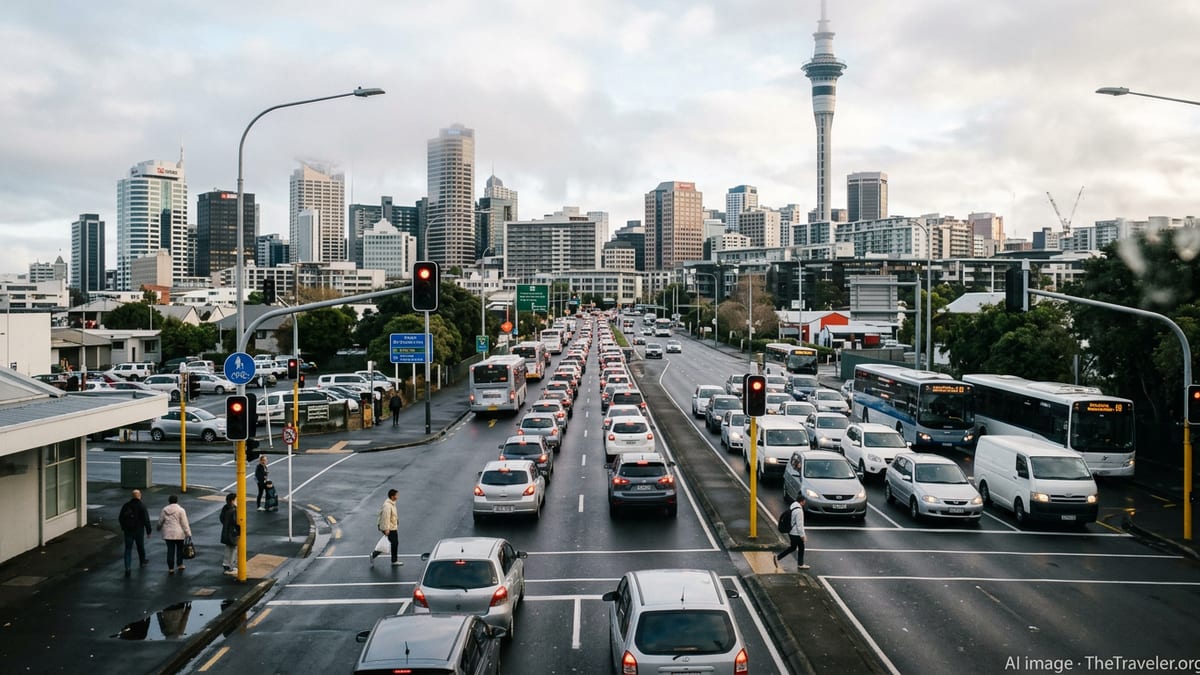
Know When the Roads Will Be Busiest
Transportation data and auto-club analyses indicate that the worst highway congestion this Labor Day weekend will hit on Thursday afternoon and much of Friday, when holiday traffic merges with regular commuter flows. Forecasts compiled by AAA and traffic analytics firm INRIX show that major metro corridors around cities such as Boston, Denver, and San Diego could experience travel times that stretch well beyond typical rush-hour conditions.
Sunday is expected to be the lightest driving day in many regions, with noticeably smoother flows on interstates and key getaway routes, according to nationwide INRIX projections published this week. That pattern mirrors earlier holiday weekends in 2026, where mid-holiday days consistently produced fewer delays than departure and return peaks.
For drivers with flexible schedules, shifting departures to early Thursday, later on Sunday, or early on Labor Day morning can significantly reduce time spent in stop-and-go traffic. Local transportation departments and navigation apps are also publishing city-specific hot spots and peak hours, giving travelers more precise windows to avoid.
Aim for Early Flights and Nonstop Routes
Air travel over recent Labor Day weekends has approached record levels, with federal checkpoint data showing steady year-over-year growth in passenger screenings. Industry recaps from 2025 noted that the Friday before Labor Day and Labor Day itself were among the busiest days at airport security, a pattern that appears to be continuing in 2026 as airlines report strong late-summer bookings.
Travel guidance compiled from AAA and regional travel organizations indicates that early morning departures are still the most reliable way to avoid rolling delays. Morning flights are less vulnerable to knock-on disruptions caused by weather or aircraft rotations that accumulate throughout the day. Nonstop itineraries further reduce the odds of missed connections and lost luggage when schedules are tight.
Travelers are also being urged to use airline apps to monitor flight status, gate changes, and same-day rebooking options. Several state AAA clubs and airport briefings ahead of the holiday have highlighted mobile check-in and digital boarding passes as key tools for moving quickly through crowded terminals when lines surge.
Factor in Higher Costs and Fuel Prices
Published coverage from AAA and fuel trackers indicates that gasoline prices are set to be the highest on record for a Labor Day weekend in the United States, remaining above 4 dollars per gallon on average and running roughly 1 dollar higher than at the same time last year in parts of the Northeast. That price pressure comes on top of elevated airfares to many popular destinations, with AAA citing round-trip averages near 800 dollars for some major routes into cities such as Denver.
Those higher costs appear to be reshaping some travel choices but not eliminating demand. Survey data released by AAA earlier this summer found that a majority of respondents still planned at least one trip between Memorial Day and Labor Day, though many reported trimming budgets or shortening itineraries due to fuel, lodging, and airfare expenses. For Labor Day specifically, analysts say the result is a more cost-conscious crowd, not a smaller one.
To blunt the impact of higher prices, travel planners recommend locking in parking and rental car reservations early, using price-tracking tools for last-minute flights, and considering transit, shuttles, or carpooling for airport access. On the road, mapping routes with fewer toll segments and combining errands with departure or return legs can help moderate overall costs without significantly adding to travel time.
Prepare Your Vehicle and Build in Extra Time
Roadside assistance statistics from AAA show that flat tires, dead batteries, and breakdowns routinely spike over Labor Day, with more than 400,000 calls logged nationwide during the 2025 holiday period. With similar or heavier travel expected in 2026, the organization is again emphasizing pre-trip vehicle checks to help keep disabled cars from worsening already heavy congestion.
Motor clubs advise that drivers inspect tire tread and pressure, test batteries, and verify fluid levels before setting out on long drives. Even minor maintenance issues can create major delays if they lead to stalled vehicles in narrow construction zones or on crowded bridges and tunnels during peak hours.
Allowing additional buffer time has become just as critical. Several regional AAA forecasts for 2026 include maps showing that peak holiday congestion can add an hour or more to common metro-area trips. Building in that margin reduces the risk of missed check-in windows at vacation rentals and hotels, and it can make it easier to slow down during heavy weather without feeling pressured to rush.
Use Real-Time Data to Time Your Moves
Across the country, state transportation agencies, navigation platforms, and travel clubs are urging Labor Day travelers to rely on live information rather than static plans. AAA Oregon and other regional branches are pointing drivers to tools such as traffic maps, incident alerts, and weather dashboards that can reveal crashes, lane closures, or storms before they become unavoidable bottlenecks.
For drivers, that means checking apps not only at departure but also at key decision points along the route, such as before entering metropolitan areas or mountain passes prone to backups. For flyers, monitoring airport congestion and security wait-time dashboards can help determine when to leave for the terminal and whether to shift to an earlier train, shuttle, or rideshare.
Analysts say that the combination of heavier volumes, higher prices, and volatile late-summer weather makes Labor Day 2026 a weekend where flexibility is as important as destination. Travelers who are prepared to adjust departure times by a few hours, switch routes, or even rearrange the order of sightseeing and returns based on real-time data are more likely to avoid the worst delays and salvage precious hours from the season’s final holiday.