


More news on this day
A collision between a passenger train and a car at a level crossing in Lancashire has left one person dead and a child critically injured, according to early regional media reports.
Get the latest news straight to your inbox!
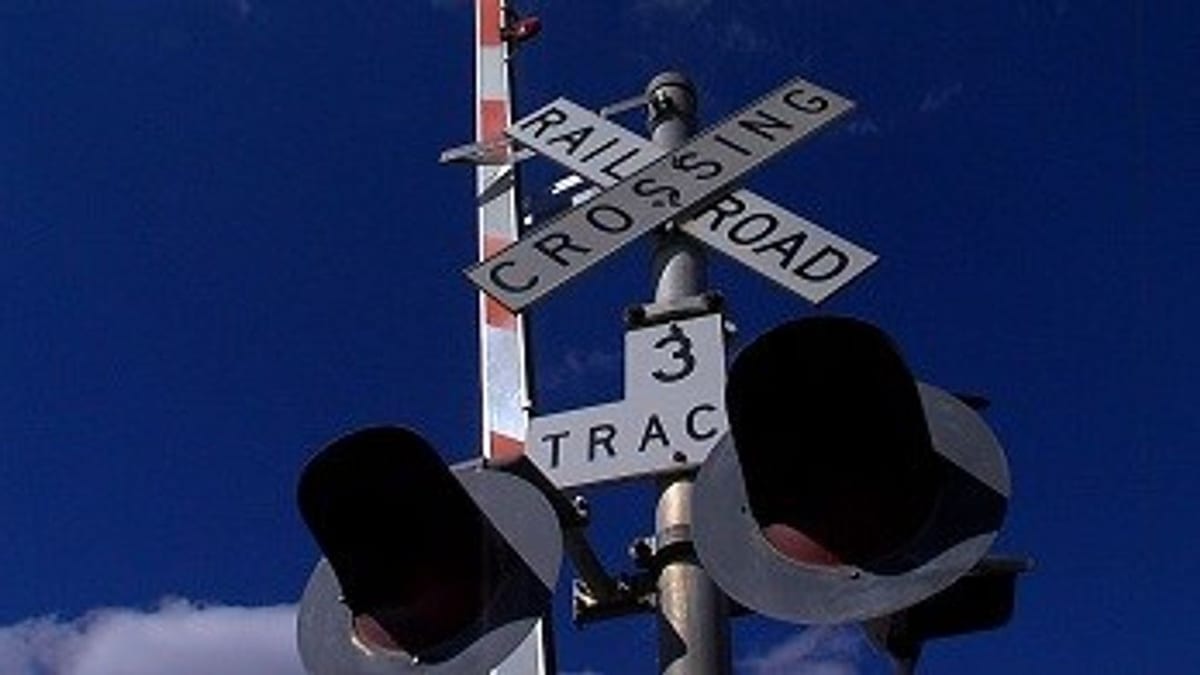
Fatal crash at Lancashire level crossing
Reports indicate the collision occurred on the morning of 25 June at a level crossing on Station Road in Hoghton, near Preston. Coverage from local outlets describes a passenger service striking a car on the crossing, resulting in severe damage to the vehicle and significant disruption to rail journeys in the area.
Initial information suggests that the person who died was travelling in the car involved in the crash. A child who was also in the vehicle has been taken to a specialist children’s hospital and is described in published reports as being in a life-threatening condition. No serious injuries have been reported among passengers or crew on the train.
The line where the collision took place is part of a busy rail corridor in Lancashire, carrying both local and regional services. Rail operators have warned of cancellations and delays while the section remains closed, with services either suspended or diverted while emergency work continues.
Images from the scene shared by local media show the car heavily damaged near the tracks, with multiple emergency vehicles positioned along the road and beside the railway. An air ambulance presence has also been reported, underscoring the seriousness of the incident.
Major emergency response and ongoing disruption
Publicly available information shows that police, fire and ambulance crews responded in large numbers, with specialist rescue units and paramedics working at the site for several hours. Reports describe crews assessing passengers on board the train while colleagues attended to those in the car and secured the surrounding area.
Rail passengers travelling through central Lancashire have been advised to check journey updates, as trains using the route through Hoghton are subject to disruption. Replacement road transport and diversions are being used where possible, although some journeys are expected to take significantly longer than usual.
Local coverage notes that no passengers on the train required hospital treatment, though some were checked by medical staff at the scene. Rail staff have been assisting travellers with onward connections while incident teams from the rail industry coordinate with police and other services.
The collision adds further strain to a rail network already dealing with the consequences of other recent serious incidents. Travellers are being urged to allow extra time and to follow advice from operators while investigations and recovery work continue at the Lancashire site.
Investigations opened into circumstances of the collision
According to published coverage, specialist collision investigators are examining the scene in Hoghton to understand how the car and train came to be on the crossing at the same time. Work is expected to focus on the operation of the level crossing, the sequence of signals and barriers, and the movements of both the train and road vehicle in the minutes before impact.
In cases of serious railway incidents in Britain, the Rail Accident Investigation Branch typically assesses whether to open a formal inquiry. Recent experience, including the fatal collision between two passenger trains near Bedford on 19 June, shows that investigators can issue an initial factual summary within days, followed by a more detailed report over the following months.
The Bedford collision, which killed a driver and injured more than 100 people, has already prompted renewed scrutiny of signalling systems, driver workload and protection measures on busy main lines. Any findings from the Lancashire crash are likely to be considered alongside that wider discussion about rail safety and level crossing management.
Given that the Hoghton incident involved a road vehicle on the tracks, investigators are also expected to review sightlines around the crossing, road signage, and compliance with existing safety procedures. Data from the train, including its speed and any emergency braking, will be central to reconstructing the events leading to the impact.
Level crossing safety under renewed focus
The Lancashire crash is expected to intensify focus on safety at level crossings across the United Kingdom. Network-wide statistics in recent years have shown a downward trend in serious collisions, but incidents involving cars and trains still account for some of the most severe consequences on the rail system.
Campaigners and transport specialists have long argued that busy road-rail intersections, particularly on higher speed routes or where visibility is restricted, should be prioritised for upgrades or closure. Options include converting crossings to bridges or underpasses, improving automated barrier systems, or enhancing warning technology aimed at both drivers and train crews.
Recent investigations into other incidents have highlighted the role of human behaviour at crossings, with some collisions linked to drivers attempting to pass barriers after warning lights activate, or misjudging the speed and distance of approaching trains. Public information campaigns regularly stress the risks, but the Lancashire crash is likely to prompt renewed messaging around the region.
For communities near the Hoghton crossing, the fatal collision has brought those risks into sharp relief. Residents and regular users of the route are expected to pay close attention to the findings of any official reports and to any changes introduced at the site in response.
Impact on local community and rail travellers
Hoghton and the surrounding villages sit between Preston and Blackburn, an area where many residents rely on a mix of local roads and rail services for commuting, school travel and regional connections. The collision has disrupted those patterns, with Station Road cordoned off and trains through the area curtailed while the site is made safe and examined.
Local media coverage reflects a sense of shock, with particular concern for the child who was critically injured. Community facilities and nearby schools are expected to offer support where needed as more details about those involved emerge.
For rail travellers, the incident follows a period of heightened awareness about network safety after the Bedford collision earlier in June. While serious rail accidents remain rare relative to the volume of daily journeys, two fatal events in close succession are likely to feed public debate about investment priorities, resilience and the pace of safety improvements.
As the investigation in Lancashire progresses and services gradually return to normal, attention will turn to whether changes are recommended for the Hoghton level crossing or the wider route. Travellers and local residents alike will be watching closely for any measures aimed at reducing the chance of another tragedy on this stretch of line.