


For many first-time visitors, Las Olas Beach is the perfect introduction to Fort Lauderdale: a broad, sandy shoreline, swaying palms, and a lively waterfront promenade framed by Florida’s iconic A1A. This guide walks you through exactly what to expect and how to make the most of your first visit, from parking and beach access to restaurants, hotels, nightlife, and nearby attractions.
Get the latest updates straight to your inbox!
Getting Oriented: Where Las Olas Beach Actually Is
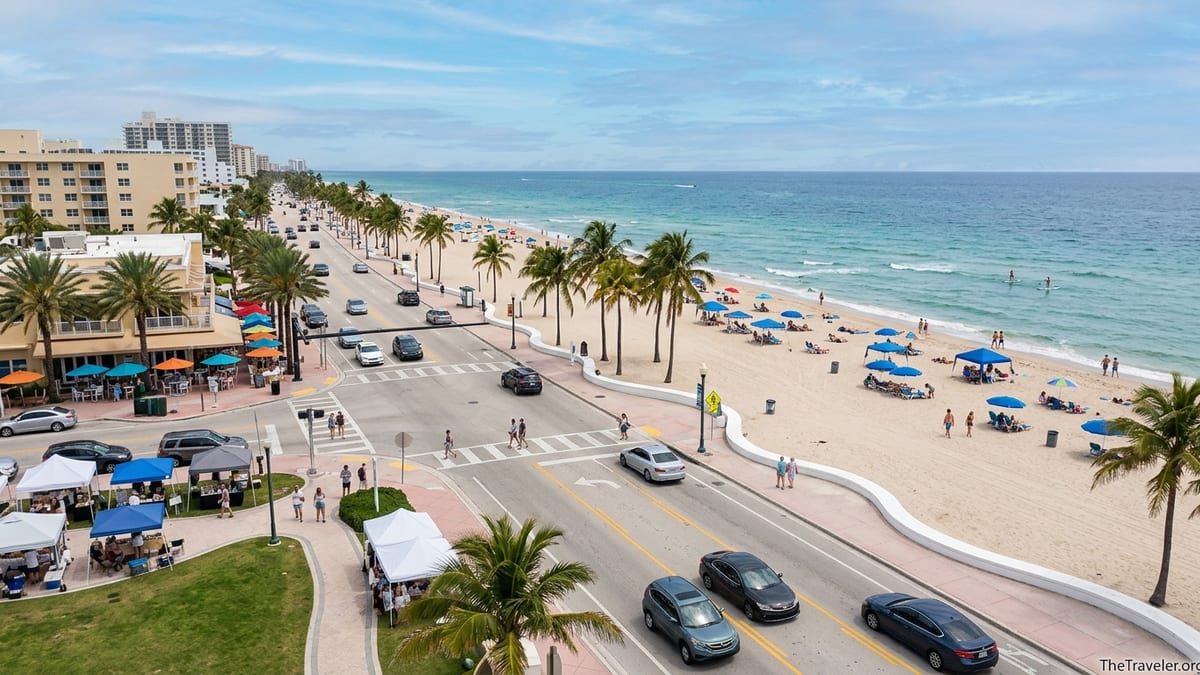
Las Olas Beach sits where Las Olas Boulevard meets State Road A1A on Fort Lauderdale’s central oceanfront. Las Olas Boulevard runs straight east from downtown, crosses the Intracoastal Waterway over a drawbridge, then ends at the Atlantic at Las Olas Oceanside Park and the beachfront promenade. This intersection is often treated as the unofficial “center” of Fort Lauderdale Beach, with the ocean on one side and a dense strip of hotels, cafes, and bars on the other.
When people say they are “staying on Las Olas,” they may mean two different areas. One is the downtown stretch of Las Olas Boulevard west of the Intracoastal, known for boutiques, galleries, and restaurants. The other is the beach section at the eastern end, where you will actually find the sand, surf, and A1A. By car, it is usually a 10 to 15 minute drive from the downtown restaurant district to the beach, depending on bridge openings and traffic.
The Las Olas Beach area itself is compact enough to explore on foot. You can walk the curve of A1A north and south from the Las Olas intersection and pass a run of beachfront hotels like the Hilton Fort Lauderdale Beach Resort, The Ritz-Carlton, and W Fort Lauderdale to the north, and the Bahia Mar area to the south. Side streets such as Sebastian Street and Castillo Street connect A1A to more residential blocks and small local spots just off the main drag.
Compared with South Beach in Miami, Las Olas Beach feels more relaxed and family friendly, while still having plenty of energy. You will see beachgoers carrying paddleboards and coolers in the morning, cruise passengers on pre- or post-cruise stays in the afternoon, and a mix of locals and visitors heading to beachfront bars as the sun goes down.
Beach Access, Promenade, and A1A
Access to Las Olas Beach is straightforward: it is a public beach, and you can simply walk across A1A from the sidewalk or from Las Olas Oceanside Park and step onto the sand. The iconic low white wall that runs along the promenade doubles as a photo spot and informal seating. Several access points have ramps rather than just stairs, which makes it easier if you are pushing a stroller, carrying a beach cart, or using a wheelchair.
The beachfront promenade is a paved pathway that runs parallel to A1A, lined with palms, benches, and occasional outdoor showers. Many visitors start their day with a walk or jog along this route, which is roughly one and a half to two miles if you stroll from the Las Olas intersection up toward Sunrise Boulevard and back. It is also bike and scooter friendly, though you should expect a leisurely pace with families and people stopping for photos.
A1A itself is the main north-south coastal road that fronts the beach. On the ocean side, you will find sand, lifeguard stands, and the promenade. On the inland side, you will see hotels, bars, casual grills, coffee shops, and small convenience stores that sell beach gear, snacks, and sunscreen. Traffic along A1A can be slow in peak season, especially weekends, but crossing is managed by frequent crosswalks and signals at major intersections like Las Olas Boulevard.
Las Olas Oceanside Park, right at the beach end of Las Olas Boulevard, serves as the neighborhood’s green hub. It features a large lawn that hosts regular markets, free concerts, and community events, plus shaded seating areas and restrooms. On a typical weekend morning you might find a farmers market here with produce, local coffee, and food vendors, while evenings sometimes bring outdoor movies or live bands.
Parking and How to Actually Get to the Sand
First-time visitors are often most concerned about parking, and with good reason: this is one of Fort Lauderdale’s busiest beachfront corners. The city operates several public facilities in the beach area, including the Las Olas Garage just inland of the beach and other surface lots and on-street spaces along A1A. Rates are typically an hourly structure comparable to other major Florida beach cities, with higher prices during special events and holiday weekends.
The Las Olas Garage, a multi-story public garage a short walk from the sand, is the most convenient option for many visitors, especially if you are staying elsewhere and driving in for the day. From the garage, it is a few minutes on foot east along Las Olas Boulevard to the beachfront and Las Olas Oceanside Park. The garage is signed on approach, but it is easy to overshoot in traffic, so first-timers should watch for signs as they come over the bridge from downtown.
On-street parking along A1A and nearby side streets uses meters or pay-by-app systems. These spots are popular with locals because they put you directly across from the sand, but they can be difficult to find on sunny winter weekends or during events such as the Fort Lauderdale Air Show or Fourth of July celebrations. Many visitors choose to park a bit farther from the Las Olas intersection and walk along the promenade rather than circling for a front-row space.
If you prefer to avoid driving entirely, rideshare services are widely used in the Las Olas Beach area. Drivers frequently drop off passengers on the inland side of A1A near hotel entrances or at Las Olas Oceanside Park, so you can step straight onto the promenade. There are also small local shuttle services and electric carts that circulate between the beach and downtown Las Olas, offering a relatively inexpensive way to hop between dinner on Las Olas Boulevard and a nightcap by the water.
Where to Eat and Drink Around Las Olas Beach
One of Las Olas Beach’s biggest draws is the range of food and drink options within a short walk of the sand. On the beachfront strip along A1A you will find open-air spots serving burgers, tacos, and frozen drinks, alongside upscale hotel restaurants that lean into seafood and steak. Many venues have outdoor terraces or patio seating that look directly onto the promenade and ocean.
Casual beachfront restaurants and bars cluster around the Las Olas intersection and stretch north and south. Expect menus with fish tacos, grilled mahi sandwiches, ceviche, salads, and plenty of tropical cocktails. Prices are typical for a prime beach location: for example, a fish sandwich or burger might run roughly in the mid-teens to low twenties, while cocktails often start in the mid-teens. Happy hour deals are common in the late afternoon, especially at venues aiming to attract both hotel guests and locals finishing the workday.
Several of the larger beachfront hotels, such as the W Fort Lauderdale or The Ritz-Carlton, operate signature restaurants that are popular even with non-guests. These tend to offer more polished dining, with small-plate menus, sushi programs, or chef-driven seafood dishes. It is worth dressing a bit smarter if you plan to dine at one of these, especially in the evening. At the same time, you can walk a block or two inland to find small cafes, pizzerias, and coffee shops that feel more low-key and often have slightly lower prices.
If you want a change of scene, you can head back along Las Olas Boulevard into downtown, where the dining scene is more varied. On a single stretch you can find everything from upscale Italian and contemporary American restaurants to sports bars, dessert cafes, and wine bars. Many visitors spend the day at Las Olas Beach, then take a short ride to downtown Las Olas for dinner before returning to the beach area or their hotel for a nightcap.
Staying Near Las Olas Beach: Hotel Options
Staying within walking distance of Las Olas Beach is convenient for first-time visitors, particularly if you prefer to leave the car parked and explore mostly on foot. Along A1A north and south of the Las Olas intersection, you will find a mix of well-known brands and independent properties. Large resort-style hotels offer ocean-view rooms, pools with bars, and direct promenade access, while smaller inns and boutique hotels on the side streets provide a quieter feel.
North of Las Olas, properties such as Hilton Fort Lauderdale Beach Resort and The Ritz-Carlton are known for high-rise oceanfront rooms and full resort amenities, including pools, spas, and on-site dining. Farther along, W Fort Lauderdale combines a lively pool scene with modern rooms that often attract couples and groups of friends. These hotels typically price toward the higher end, especially during winter high season and major events, but many first-timers appreciate the convenience of being able to cross A1A and be on the sand in minutes.
Closer to the Las Olas intersection and slightly south, you will find hotels that cater more to families and cruise passengers, including properties near Bahia Mar and around Fort Lauderdale Beach Park. These options often include larger rooms or suites, on-site parking, and easy access to marinas for those planning fishing charters or boating excursions. They are also convenient for the Fort Lauderdale International Boat Show, one of the city’s flagship events.
For travelers who want to split their time between the beach and downtown nightlife, it is also worth considering staying on or near Las Olas Boulevard west of the Intracoastal. Downtown hotels put you close to the Riverwalk Arts & Entertainment District and the main dining and bar strip, with a short ride to the beach during the day. Many visitors choose this option if they are in town for business or events at the Broward Center for the Performing Arts and want easy beach access on their off hours.
Nightlife, Events, and Atmosphere After Dark
Las Olas Beach has a noticeably different personality after sunset. The promenade remains busy with people walking off dinner, and many beachfront bars and hotel lounges shift into evening mode with live music or DJs. The atmosphere is energetic but generally more polished than the rowdy spring break scene that once defined parts of Fort Lauderdale in earlier decades.
On weekends, events at Las Olas Oceanside Park often extend into the evening. Concert series, community festivals, and movies in the park draw both locals and visitors, with people spreading blankets on the lawn and picking up food from nearby restaurants or food vendors. At certain times of year, you may encounter seasonal celebrations, fireworks displays, or themed markets that turn the park and adjacent promenade into a festive outdoor gathering space.
If you are looking for bars and lounges, you will find plenty directly along A1A, ranging from casual open-air spots where you can sit in flip-flops with a beer to hotel rooftop venues that lean into craft cocktails and dress codes. Many visitors start with a drink on the beach side of A1A at sunset, then take a short ride to downtown Las Olas Boulevard, where the concentration of bars, live music venues, and late-night restaurants is higher.
First-time visitors should be aware that closing times and noise levels can vary. Some beachfront bars wind down earlier on weeknights, while hotel lounges and downtown clubs keep going much later on weekends. It is wise to confirm hours in advance if there is a particular venue you want to visit, especially outside of peak season.
Nearby Attractions and Things to Do Off the Sand
While the beach is the headline attraction, Las Olas Beach is also a convenient starting point for exploring greater Fort Lauderdale. Just inland from the beach, marinas along the Intracoastal Waterway offer sightseeing cruises, sailing trips, fishing charters, and water-taxi style services. A popular way for first-time visitors to get oriented is to take one of the narrated boat cruises that describe the mansions, yacht traffic, and history along the waterways.
Heading west along Las Olas Boulevard takes you into the Riverwalk Arts & Entertainment District, home to the Broward Center for the Performing Arts, museums, and galleries. You can easily spend an afternoon browsing boutiques and art spaces before returning to the beach for sunset. Families often split their days between the sand and inland attractions such as interactive science museums or kid-friendly parks along the New River.
South of the Las Olas Beach area you will find Fort Lauderdale Beach Park and the Bahia Mar marina area, which are popular spots for volleyball, picnicking, and launching boat excursions. North along A1A, the beach becomes somewhat quieter, with more residential sections and fewer large hotels, which appeals to visitors who want the option of walking to a calmer stretch of sand while still staying near Las Olas conveniences.
Day trips are also straightforward. Many visitors use Fort Lauderdale as a base to visit nearby areas such as Hollywood Beach to the south or Lauderdale-by-the-Sea to the north, each with its own style of promenade, pier, and beachfront dining. Cruisers arriving or departing from Port Everglades often tack on an extra night or two at Las Olas Beach specifically to enjoy the combination of easy beach time and urban amenities.
Practical Tips for First-Time Fort Lauderdale Visitors
Weather is a major factor in planning your Las Olas Beach visit. Fort Lauderdale enjoys warm temperatures year-round, but summer and early fall bring higher humidity and a greater chance of afternoon thunderstorms. During these months, many locals hit the beach earlier in the morning or later in the afternoon to avoid midday heat, then step into air-conditioned cafes or shops along A1A when the sun is strongest.
Sun protection is essential. The wide, open beach offers little natural shade, and the reflection from the ocean and pale sand can intensify sun exposure even on partly cloudy days. First-time visitors are often surprised at how quickly they burn while walking the promenade or sitting at an outdoor restaurant. Bringing or renting a beach umbrella, reapplying sunscreen regularly, and wearing hats and lightweight cover-ups will make your day more comfortable.
For transportation, it helps to think of Las Olas Beach and downtown Las Olas as a connected pair rather than competing areas. You might spend the morning on the sand, return to your hotel to change, then head into downtown for dinner and drinks. Rideshare drivers are accustomed to short hops between these zones, and taxis and local shuttle services often run set routes that include both.
Finally, keep an eye on local event calendars when planning your trip. Major events like the Fort Lauderdale International Boat Show, air shows, or holiday fireworks can dramatically increase hotel demand, parking pressure, and restaurant reservations near Las Olas Beach. On the upside, these same events create a lively atmosphere, with extra programming at Las Olas Oceanside Park and along the promenade. Deciding whether you want to be in the middle of that buzz or prefer a quieter stretch of beach will help you pick the right dates, hotel, and daily schedule.
FAQ
Q1. Where exactly is Las Olas Beach in Fort Lauderdale?
Las Olas Beach is located where Las Olas Boulevard meets State Road A1A on Fort Lauderdale’s central oceanfront, at the eastern end of Las Olas Boulevard just over the Intracoastal bridge.
Q2. Is Las Olas Beach public, and do I have to pay to access it?
The beach itself is public and free to access. You do not pay an entrance fee, though you will typically pay for nearby parking unless you walk, bike, or use a drop-off.
Q3. What is the best way to park near Las Olas Beach?
Many visitors use the multi-level Las Olas Garage a short walk from the sand, or metered street parking along A1A and nearby side streets. Arriving earlier in the day improves your chances of finding a space.
Q4. Can I stay at a hotel within walking distance of Las Olas Beach?
Yes. There are numerous hotels along A1A north and south of the Las Olas intersection, ranging from upscale resorts to smaller boutique properties, all within an easy walk of the beach and promenade.
Q5. Are there restaurants and bars directly on the beach?
Restaurants and bars line the inland side of A1A opposite the sand, many with terraces overlooking the ocean. Several beachfront hotels also have bars and restaurants with direct or very close beach access.
Q6. Is Las Olas Beach good for families with children?
Las Olas Beach is popular with families thanks to its wide sandy shoreline, lifeguard presence during posted hours, and easy access to restrooms, casual dining, and parks like Las Olas Oceanside Park and Fort Lauderdale Beach Park.
Q7. What kind of nightlife can I expect around Las Olas Beach?
The nightlife is lively but generally more relaxed than some South Florida party districts, with open-air bars, hotel lounges with music, and easy access to the more concentrated bar scene on downtown Las Olas Boulevard.
Q8. Do I need a car, or can I rely on rideshare and walking?
Many first-time visitors combine walking along the promenade with rideshare or local shuttles between the beach and downtown Las Olas. A car is useful for day trips, but not strictly necessary if you stay near the beach.
Q9. When is the best time of year to visit Las Olas Beach?
Winter and early spring are popular for milder temperatures and lower humidity, while summer and early fall offer very warm water and longer days, but with higher heat and a greater chance of afternoon storms.
Q10. Are there events or festivals I should know about near Las Olas Beach?
Yes. Las Olas Oceanside Park regularly hosts markets, concerts, and seasonal events, and larger citywide happenings such as air shows, holiday celebrations, and the boat show often center on or near the Las Olas Beach area.