


Karaköy has become one of Istanbul’s liveliest places to eat, especially along the waterfront between the Galata Bridge and the new Galataport development. Within a ten‑minute walk you can move from an old‑school fish market to a Michelin‑recognized modern Turkish restaurant, grab baklava from a historic bakery, then end the night with third‑wave coffee or cocktails overlooking the Bosphorus. This guide focuses on where to eat near the water, with specific recommendations and practical tips to help you avoid the worst tourist traps and make the most of every meal.
Get the latest updates straight to your inbox!
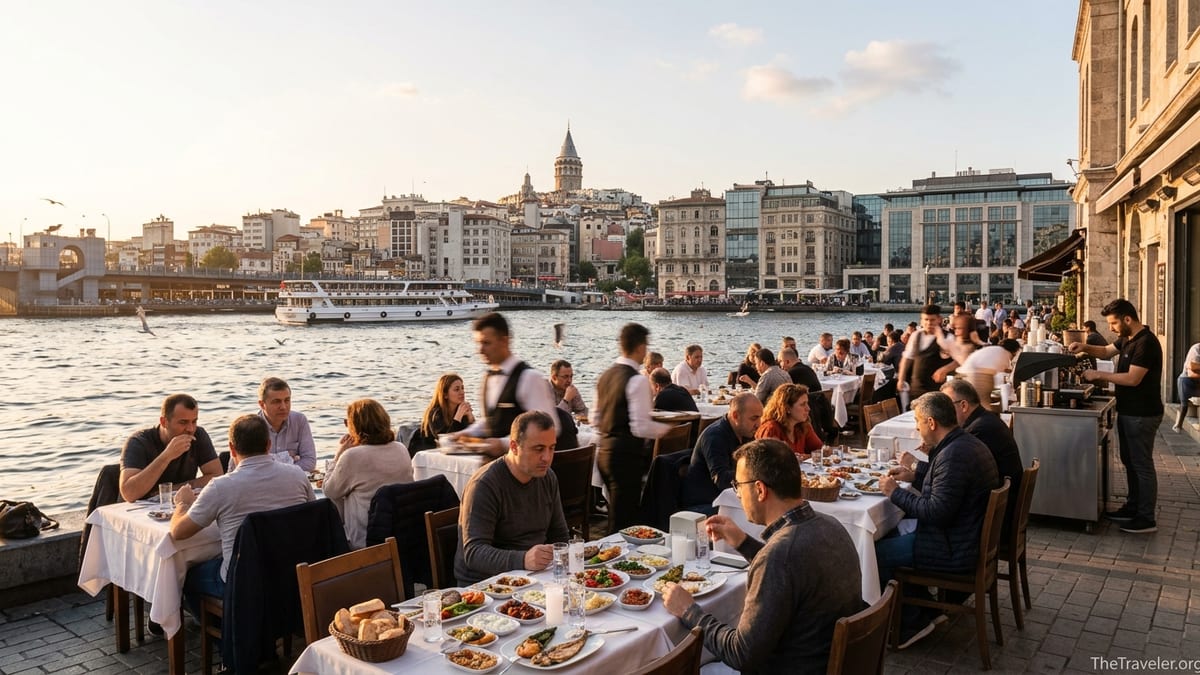
Understanding Karaköy’s Waterfront Food Scene
The Karaköy waterfront runs roughly from the Galata Bridge, where ferries shuttle to Eminönü and Üsküdar, down to Galataport, Istanbul’s modern cruise terminal and shopping complex. It is compact enough to explore on foot, and most of the restaurants in this guide are clustered either by the bridge and fish market, around Mumhane Street and the back streets, or inside and around Galataport itself. You can easily combine several in one day: a fish sandwich by the bridge for lunch, coffee and dessert near Karaköy ferry pier, and a modern Turkish dinner closer to Galataport.
Compared with the Old City’s Sultanahmet district, Karaköy’s food scene leans more local and contemporary. You will still find kebab houses and classic lokantas, but the district is better known for seafood, creative meze, design‑driven cafés, and destination bakeries. Prices reflect the area’s popularity. A sit‑down dinner with meze, a main course, and a drink can range from the equivalent of a simple neighborhood meal to high‑end fine dining, especially at Michelin‑listed spots and luxury hotel restaurants near Galataport.
For visitors, the main challenge is not finding somewhere to eat, but choosing intelligently. Waterfront views and polished decor do not always mean good value. The following sections highlight reliable seafood specialists, modern Turkish restaurants, casual cafés, and bakeries, while also noting where overtourism and inflated pricing can be an issue.
Seafood by the Water: From Fish Sandwiches to Sit‑Down Feasts
Historically, Karaköy has been one of Istanbul’s go‑to neighborhoods for seafood, especially around the old fish market near the Galata Bridge. You will still see stalls selling fresh fish and small eateries grilling whatever came off the boats that morning. At the most basic level, this is where you try a grilled fish sandwich, known locally as "balık ekmek." Simple stands near the ferry pier and under the bridge press fillets of mackerel or seasonal fish into a soft roll with lettuce and onions; expect to pay the rough equivalent of a few euros for a quick handheld lunch.
For something slightly more substantial but still casual, small seafood lokantas close to the market serve plates of fried mussels, calamari, and grilled whole fish. One local favorite that often comes up in traveler discussions is the historic Karaköy fish restaurants by the pier, where you can sit at basic tables, choose your fish from a display, and have it grilled to order. Prices depend on the species and weight, but many visitors report paying what they consider fair mid‑range prices compared with the luxury Bosphorus venues further north.
If you want a view and a more polished setting, consider restaurants either under or just beyond the Galata Bridge and along the Karaköy quay. Here you will find places with white‑tablecloth service, long meze counters, and terraces overlooking the Golden Horn. Order a mix of classic cold meze such as eggplant salads, yogurt dips, and stuffed vine leaves, followed by a whole grilled sea bream or sea bass. Starters can be moderately priced, but fish sold by the kilogram adds up, so always ask to see the whole fish and confirm an approximate total before you commit. This is standard practice in Istanbul and helps avoid bill shock later.
As you walk southwest toward Galataport, some hotel restaurants and modern brasseries also offer seafood‑focused menus. These spaces can be ideal if you want a quieter, more controlled environment, especially in the evening, and are willing to pay higher prices for service, wine lists, and contemporary plating. Just remember that you are paying as much for the setting as the fish. For truly seafood‑driven experiences with local character, many Istanbul residents still prefer the simpler Karaköy fish market spots or cross by ferry to the Asian side.
Modern Turkish & Michelin‑Recognized Dining
Karaköy is not just about casual fish and street food. In the streets climbing up toward Galata and in restored bank buildings near the water, you will find some of Istanbul’s most talked‑about modern Turkish kitchens. These are the places to book if you are curious about how young chefs are reinterpreting Anatolian flavors using contemporary techniques and seasonal produce.
One benchmark is Neolokal, located inside the historic SALT Galata building a short walk uphill from the waterfront. The restaurant holds a Michelin star and is led by chef Maksut Aşkar, who focuses on preserving Anatolian culinary heritage while updating it for a modern palate. Tasting menus here typically feature carefully sourced grains, heirloom legumes, and slow‑cooked meats presented in a minimalist style. Expect prices that reflect its status as a destination restaurant, especially if you opt for wine pairings, but many visitors consider it a highlight of their time in Istanbul.
Closer to the immediate Karaköy waterfront, Karaköy Lokantası has long been a neighborhood institution and is now recognized in the Michelin Guide with a Bib Gourmand distinction. At lunch it functions as a classic esnaf lokantası, with trays of stews, vegetables, and daily specials at accessible prices. In the evening the room shifts into a stylish meze restaurant, with turquoise‑tiled walls, attentive service, and a crowd that mixes locals, creative professionals, and informed visitors. Reservations are strongly advised for dinner, especially on weekends.
Other notable options in and around Karaköy include contemporary bistros and meze bars that blend Turkish, Aegean, and wider Mediterranean influences. You will find menus with dishes like octopus slow‑cooked then charred on the grill, lamb shoulder with smoked yogurt, or seasonal vegetables treated with the same care usually reserved for meat. Expect to spend more here than at a basic kebab shop, but still less than at the highest tier of fine dining. These restaurants are ideal for a memorable sit‑down dinner without the full formality of a tasting menu.
Cafés, Coffee Bars & Casual All‑Day Spots
Between the tram line and the back streets leading up to Galata Tower, Karaköy is packed with cafés and casual eateries that are perfect for breakfast, brunch, or light meals. Several of these have become destinations in their own right, featured in travel magazines and social media feeds. Seats on sunny weekends can be hard to come by, but they are excellent places to linger over coffee between sightseeing stops.
Karabatak, tucked into a side street not far from the waterfront, helped kick‑start the area’s café culture. It offers specialty coffee, pastries, and a relaxed atmosphere with indoor and outdoor seating. A typical order might be a flat white or pour‑over coffee alongside a slice of cake or a Turkish breakfast plate, with prices somewhat higher than a traditional tea house but in line with other third‑wave coffee bars in major European cities.
Other neighborhood favorites include Ops Café and Mums Café, both within walking distance of the Karaköy ferry terminals. Ops leans toward all‑day dining, with eggs, sandwiches, and simple plates suitable for lunch, while Mums brings a Scandinavian‑inspired sensibility to its baking and light meals. These spots are good choices if you are looking for something lighter than a full restaurant meal but more comfortable than grabbing simit from a street vendor.
Newer entrants around Galataport, such as Blender Cafe in front of Beymen, combine coffee, snacks, and full plates in sleek surroundings. Here you might find everything from salads and gourmet sandwiches to burgers, pasta, and plated desserts, catering to both cruise passengers and local office workers. Prices tend to be slightly higher than in older Karaköy backstreets, reflecting the high‑profile location and polished design, but many travelers appreciate the air‑conditioning, English‑friendly staff, and easy access to the waterfront promenade.
Baklava, Borek & Classic Karaköy Bakeries
No food visit to Karaköy is complete without a stop at one of its bakeries. The undisputed star is Karaköy Güllüoğlu, often cited by locals as one of Istanbul’s must‑visit baklava shops. The bakery is located a few minutes’ walk from the water and has a large, always busy seating area. Behind glass counters you will see trays of pistachio and walnut baklava, fıstıklı sarma, şöbiyet, and other syrup‑soaked pastries. Many visitors order a plate to eat on the spot with Turkish tea, then buy a box to take away. Prices are per kilo, but small mixed boxes are available and make easy edible souvenirs.
A practical approach is to visit Güllüoğlu in mid‑morning or mid‑afternoon, when queues tend to be shorter than around evening, and to start with a simple order: one or two pieces of classic pistachio baklava and a slice of baklava with clotted cream, known locally as kaymaklı. Staff are used to first‑timers and can usually communicate basic explanations in English if you point to what looks appealing.
Beyond baklava, Karaköy also has several borek shops and neighborhood bakeries that serve flaky pastries filled with cheese, spinach, or minced meat. These make ideal on‑the‑go breakfasts before boarding a ferry or tram. Small simit bakeries near the tram stops sell the iconic sesame bread rings that locals dip into tea, while patisseries closer to Galataport stock European‑style cakes and tarts. None of these places are particularly formal; you can usually step up to the counter, point at what you want, and be out the door in minutes.
Because these bakeries attract both residents and tourists, prices are not rock‑bottom, but they remain good value compared with dessert prices inside international hotel chains. As always, check the price list displayed by the counter before ordering, and if you are buying by weight, confirm roughly how many pieces you are getting to keep your budget on track.
Galataport: Polished Promenade Dining
Galataport, which opened in its current form in the early 2020s, stretches along the Karaköy waterfront as a modern cruise terminal, shopping area, and dining district. Architecturally, it blends restored historical buildings like the old customs building with sleek new structures, and the promenade here is one of the most accessible places in central Istanbul to stroll right by the Bosphorus. For travelers, the complex offers an easy concentration of cafés, restaurants, and dessert shops with menus and staff used to international visitors.
Dining options inside Galataport skew contemporary and global: you will find Turkish restaurants with updated meze and grills, Mediterranean bistros, burger and pizza places, and dessert parlors. Many venues have outdoor terraces or large windows with water views. A typical mid‑range meal here might consist of shared meze, a grilled meat or fish main, and soft drinks, at prices higher than back‑street Karaköy lokantas but lower than the most exclusive Bosphorus restaurants further north. For some travelers, the clarity of pricing, visible menus, and familiar service style make Galataport an unintimidating place to start exploring Turkish flavors.
At the luxury end, The Peninsula Istanbul hotel, which anchors part of Galataport, operates elegant dining rooms and waterfront terraces where you can book afternoon tea, iftar during Ramadan, or multi‑course dinners. Expect hotel‑level pricing similar to major European capitals, especially for wine and cocktails. These spaces are particularly appealing if you are celebrating a special occasion or prefer a quieter, more formal meal after a busy day in the city.
Because Galataport is a magnet for both cruise passengers and locals, it can feel crowded on weekends and on days when multiple ships are in port. If you value calm, consider booking lunch rather than dinner or choosing a weekday. If you enjoy people‑watching, come in the early evening, find a table by the water, and watch ferries, seagulls, and the changing light over the Asian shore while you eat.
Tourist Traps & How to Eat Smart in Karaköy
Like any highly visited waterfront district, Karaköy has its share of tourist traps. Common red flags include aggressive host staff pulling you into a restaurant, vague or missing prices for fish sold by weight, and drinks or side dishes added to the table without you asking, then appearing on the bill. As a rule of thumb, any place that feels like it is working much harder to get you inside than to feed the guests already seated deserves extra scrutiny.
You can reduce your risk by following a few simple habits. First, glance at the menu posted outside and check that prices are clearly listed in Turkish lira. This is especially important for seafood and mixed meze platters. Second, if you are ordering whole fish, ask the server to estimate the total price based on the weight before it goes to the grill. Polite questions about cost are entirely normal in Istanbul and will not offend anyone in an honest establishment.
Another strategy is to look at who is eating there. In streets a block or two back from the water, popular places are full of Turkish‑speaking diners, office workers at lunch, or groups of friends lingering over raki in the evening. These are usually safer bets than near‑empty waterfront restaurants with laminated menus in six languages. Online reviews can be helpful, but do not underestimate the value of simply walking around the neighborhood and trusting your eyes and nose.
Finally, be aware that coffee and dessert prices can jump significantly in the most photogenic cafés and rooftop terraces. Travelers sometimes report paying the equivalent of several euros for a single espresso in heavily touristed pockets of Karaköy and Galata. If you are on a tight budget, save the "view" coffees for a single treat and use more modest neighborhood cafés or bakery tea counters for your everyday caffeine fix.
Where to Go for Dinner Near the Waterfront
When evening falls, Karaköy offers several distinct atmospheres within a small radius. For a classic Istanbul night out, many visitors start with an aperitif in a back‑street bar around Mumhane Street, then move on to a meze‑focused restaurant like Karaköy Lokantası or one of the newer contemporary bistros nearby. Here you can settle into a long meal built around shared small plates, grilled fish or meat, and, if you drink alcohol, a carafe of raki or a bottle of local wine.
If you prefer water views, book a table at a seafood restaurant facing the Golden Horn or one of the Galataport terraces. An outdoor table on a mild evening gives you front‑row seats to ferries criss‑crossing the water and the mosques of the Old City lighting up after sunset. Portions at these venues can be generous, so consider sharing starters and mains rather than ordering one of everything. This not only keeps costs manageable but also reduces food waste.
For travelers who are unsure about navigating Turkish menus, hotel‑based restaurants and the better‑known Galataport venues can be reassuring options. Staff are usually comfortable explaining dishes in English, vegetarian options are clearly marked, and payment by card is commonplace. Just remember that service quality varies, as in any big city, and that tipping around 10 percent in cash or via the card machine is customary when you are satisfied with your meal.
Late in the evening, Karaköy transitions into a buzzing nightlife district. Cafés pivot to serving cocktails, and small bars fill with music. If you are sensitive to noise or traveling with children, consider booking an earlier dinner slot and choosing restaurants slightly away from the densest bar streets. Alternatively, embrace the energy, find a table outside, and enjoy one more round of meze while the neighborhood hums around you.
The Takeaway
Karaköy’s waterfront offers a compact introduction to Istanbul’s diverse food culture. Within a few blocks you can taste fresh fish from a market grill, sip third‑wave coffee in a design‑forward café, work your way through a meze‑laden dinner at a beloved neighborhood institution, and finish with baklava at a storied bakery. The mix of old and new, casual and refined, reflects the broader city in miniature.
To make the most of it, think in layers: use Galataport and hotel restaurants when you want easy comfort and clear expectations; follow locals into back‑street lokantas and seafood joints when you crave character and value; and always leave room for a detour to Güllüoğlu or a borek shop when you pass one. With a bit of awareness about pricing and common tourist traps, eating in Karaköy can be one of the most memorable parts of your time in Istanbul.
FAQ
Q1. Is Karaköy a good area to stay in for food lovers?
Karaköy is an excellent base if you care about eating well. You are walking distance from seafood at the Galata Bridge, modern Turkish restaurants, Galataport’s polished dining, and countless cafés and bakeries. It is also well connected by tram and ferry, so you can explore other food neighborhoods easily.
Q2. Do I need reservations for restaurants in Karaköy?
For popular dinner spots, especially places like Karaköy Lokantası, modern meze bars, and hotel restaurants near Galataport, reservations are strongly recommended, particularly on Thursday to Saturday nights. Casual lokantas, fish sandwich stalls, and most cafés usually accept walk‑ins, though you may wait for a table at peak brunch hours.
Q3. Are seafood restaurants in Karaköy expensive?
Seafood prices vary widely. Simple fish sandwiches and market‑style grills near the Galata Bridge are relatively affordable. Waterfront restaurants with table service and whole fish sold by weight can be significantly more expensive, especially if you add alcohol. Always check the menu and confirm the approximate price of fish before ordering.
Q4. Is it safe to eat street food and fish sandwiches by the water?
Many visitors and locals happily eat fish sandwiches and other simple street foods in Karaköy without problems. Choose busy stalls with a good turnover, where food does not sit for long. If you have a sensitive stomach, start with cooked items like grilled fish or borek rather than raw salads, and avoid anything that looks like it has been standing out too long.
Q5. What time do restaurants and cafés usually open and close?
Cafés and bakeries in Karaköy often open by mid‑morning and run until early evening. Restaurants typically start serving lunch around noon and dinner from about 7 p.m., staying open until late, especially on weekends. Exact hours vary by venue and season, so if you have a specific place in mind, it is worth checking their stated opening times on the same day.
Q6. Can vegetarians eat well in Karaköy?
Yes. Many modern Turkish restaurants and meze bars offer multiple vegetarian dishes based on seasonal vegetables, grains, and legumes. Cafés serve salads, egg dishes, and cheese‑based breakfasts, while bakeries sell cheese and spinach borek. Vegan choices exist but may require more careful menu reading; if in doubt, ask staff to point out meat‑ and dairy‑free options.
Q7. How much should I tip in Karaköy restaurants?
In sit‑down restaurants, tipping around 10 percent of the bill is customary if you are satisfied with the service. In cafés and bakeries, rounding up the bill or leaving loose change is appreciated but not obligatory. Some higher‑end places may add a service charge; in that case, additional tipping is optional, based on your experience.
Q8. Are credit cards widely accepted near the Karaköy waterfront?
Credit and debit cards are widely accepted in most restaurants, cafés, and shops around Karaköy and Galataport. Smaller bakeries, simple fish stalls, and very local eateries may prefer cash, so it is sensible to carry some Turkish lira, especially if you plan to graze at several smaller places in one day.
Q9. What is the best time of day to visit Karaköy for food?
For quieter exploration, late morning is ideal: you can enjoy coffee, visit a bakery, and stroll the waterfront before lunch crowds. Evenings, especially around sunset, offer the most atmosphere as the lights of the Old City come on and restaurants fill with diners. Weekends are livelier but also busier; weekdays can feel more relaxed.
Q10. How close is Karaköy to other popular areas for eating out?
Karaköy is very central. You can walk uphill to Galata and Beyoğlu’s restaurant streets, cross the Galata Bridge to the Eminönü markets, or take a short ferry ride to Kadıköy on the Asian side, which is another major food destination. This makes it easy to use Karaköy as a hub while sampling different parts of Istanbul’s dining scene.