


More news on this day
Las Vegas is positioning itself as one of the key international stages for BTS’ long-awaited full-group comeback, joining Los Angeles, Chicago, Tokyo, Mexico City, Lima, Santiago and other major cities that are rapidly entering fans’ travel plans as the K-pop group prepares a new chapter of global activity outside South Korea.
Get the latest news straight to your inbox!
A New Phase in BTS’ Post-Military Era
BTS completed its staggered enlistment in South Korea’s mandatory military service in 2025, clearing the way for the group to resume activities together after a near four-year pause in full-group promotions. Publicly available information from Korean and international media indicates that a new album and accompanying world tour are central pillars of this comeback cycle, framed as a reboot of the group’s global presence rather than a short-term reunion.
Coverage in Korean entertainment outlets and international newspapers has highlighted how the group’s return is expected to affect not only the music industry but also tourism flows linked to K-pop. Before enlistment, BTS-related travel was already driving significant spending, with fans planning trips around concerts, fan events and filming locations. The 2026 comeback is being watched as a test case for how a top-tier K-pop act can reactivate those visitor patterns at a larger, more globally distributed scale.
Reports indicate that the group’s management is leaning into a multi-continent strategy that prioritizes cities with strong infrastructure for large-scale live events and demonstrated demand from BTS’ fanbase, known as ARMY. This approach appears to favor destinations that can pair stadium-level concerts with broader visitor experiences, from themed pop-ups and exhibitions to curated food and nightlife offerings.
Analysts writing in business and culture publications suggest that the group’s return has the potential to set new standards for music-driven tourism, particularly as destinations increasingly compete to host high-profile pop tours in the wake of record-breaking runs by global stars in recent years.
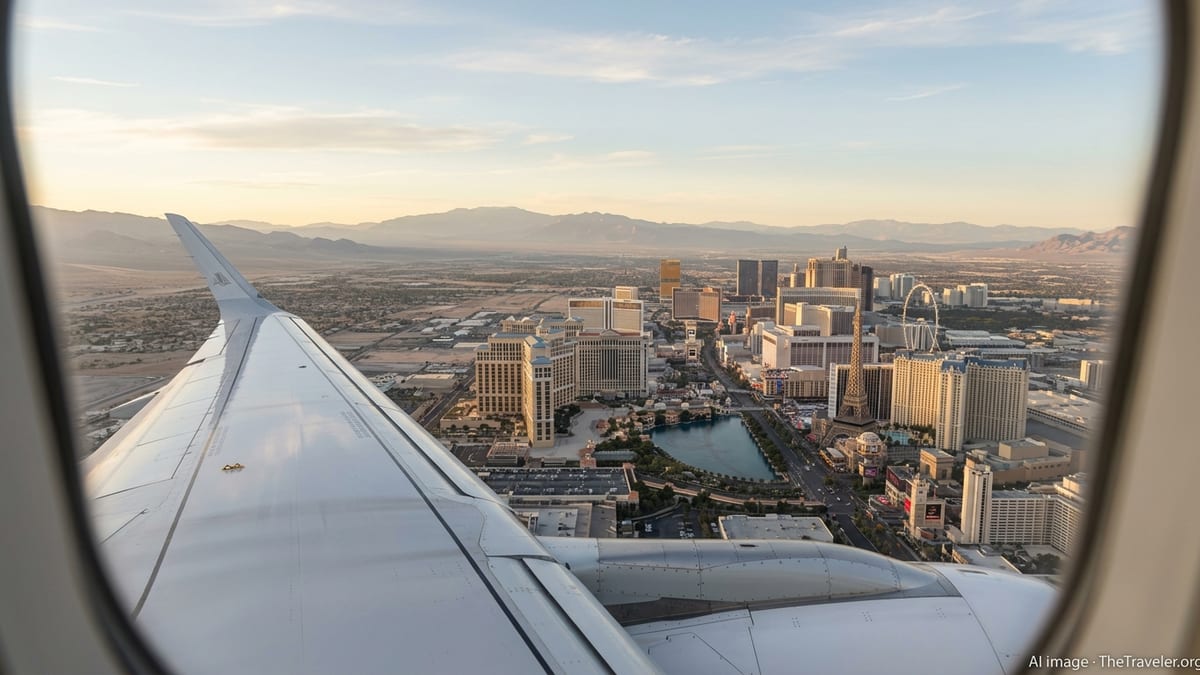
Las Vegas Moves From Pop Residency Capital to K-Pop Showcase
Las Vegas has spent the past decade transforming itself from a primarily gaming-led destination into a broader live entertainment capital, with residency shows, sports events and major music festivals drawing millions of visitors each year. Recent years have seen Korean and Japanese acts test the market alongside pop superstars and Latin music festivals, signaling the city’s interest in Asian and global youth audiences.
Industry coverage shows that the city has successfully used large event weekends to package concerts with hotel, dining and experience bundles, a model that dovetails neatly with the way many BTS fans already plan travel. Rather than single-night visits, ARMY travelers often book multi-day stays that include concerts, fan meetups, themed cafés and sightseeing, behavior that aligns with Las Vegas’ push for longer, higher-spend trips.
Local tourism reporting points to the city’s growing inventory of high-capacity venues and immersive attractions as a competitive advantage. The Sphere, new and renovated stadiums, and an expanding roster of Korean and pan-Asian dining options create a setting in which a BTS tour stop could easily become the centerpiece of a multi-night culture trip. Travel planners note that direct flight connections from Asia, Latin America and Europe further strengthen Las Vegas’ appeal for international fans.
By seeking a place alongside traditional North American concert hubs such as Los Angeles and Chicago on BTS’ global schedule, Las Vegas is signaling that it aims to be part of the core circuit for major K-pop comebacks. For destination marketers, a confirmed BTS date is increasingly treated as a catalyst that can shape seasonal travel demand, on par with major sporting championships or headline festival weekends.
Global City Network: From Los Angeles to Santiago
Outside South Korea, Los Angeles has long been one of BTS’ most important bases, serving as both a creative hub and a launchpad for North American promotions. Reports from entertainment and lifestyle outlets describe how previous tours turned LA into a temporary BTS city, with themed installations, special menus and ARMY-organized events extending far beyond the confines of the concert venue.
Chicago has played a similar role in the US Midwest, with large stadium shows drawing travelers from across the region and neighboring states. Travel writers note that these events often function as regional festivals, prompting visitors to explore local museums, architecture tours and food districts in addition to attending the concerts themselves.
In Asia, Tokyo stands out as a key node, blending one of the world’s largest music markets with a dense urban fabric that supports pop culture tourism year-round. Published coverage highlights how K-pop fans from across East and Southeast Asia routinely route their trips through Tokyo to combine concerts with shopping, anime districts and J-pop landmarks, an overlap that is likely to intensify during a major BTS comeback period.
On the other side of the Pacific, cities such as Mexico City, Lima and Santiago have become emblematic of Latin America’s passionate K-pop audience. Regional media frequently document how fans fill public squares, organize dance flash mobs and create community projects around tour announcements. As BTS activity ramps up again, these cities are positioning themselves as gateways for both regional and long-haul travelers seeking to experience K-pop within a distinctly Latin American urban and cultural context.
How BTS-Fueled Travel Is Reshaping Culture Trips
Travel analysts observing K-pop tourism note that BTS has helped normalize the idea of crossing borders primarily to participate in a cultural moment, rather than to see a single landmark. Reports indicate that fans increasingly design itineraries around concerts, pop-up exhibitions or music video filming locations, with iconic sites and museums serving as complementary stops rather than the main draw.
This pattern is prompting destinations on the group’s informal comeback map to adapt their offerings. Hotel companies in cities such as Los Angeles, Las Vegas and Tokyo have experimented with themed packages, late check-outs on concert days and partnerships with transportation providers to move large numbers of visitors efficiently between venues and nightlife districts. Local businesses, from cafés to bookshops, often respond by curating temporary BTS-inspired menus or displays timed to the tour calendar.
In Latin American cities like Mexico City, Lima and Santiago, community-based tourism initiatives are increasingly intersecting with fandom culture. Publicly available information shows that fan groups sometimes collaborate with local cultural centers or small businesses to host dance workshops, art shows and charity events that give visiting ARMY participants a more immersive neighborhood-level experience.
As BTS’ comeback unfolds through 2026, destinations along this growing circuit are using the opportunity to highlight their own cultural identities, from food and fashion to street art and nightlife. For many travelers, especially younger visitors, a BTS concert weekend is becoming a framework through which they discover a city’s broader stories, turning pop fandom into a bridge for deeper, more globally connected culture trips.