


More news on this day
Flight delays at Liverpool John Lennon Airport have affected eight services, with disruption reported across schedules that included easyJet and Ryanair operations and prompted renewed reminders for passengers to check live departure and arrival updates before heading to the terminal.
Get the latest news straight to your inbox!
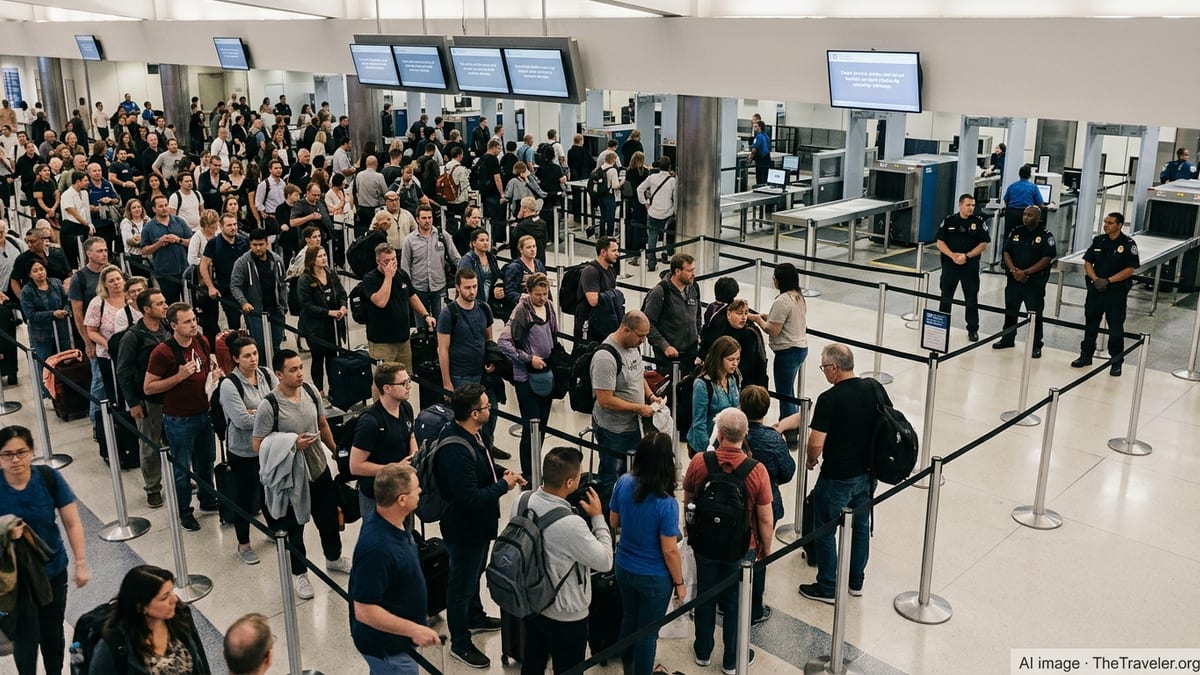
What happened at Liverpool John Lennon Airport
Published coverage indicates the disruption involved a cluster of delayed flights rather than a broad shutdown, with the impact spreading across multiple departures and arrivals. The delayed services included flights operated by easyJet and Ryanair, two of the airport’s key carriers for short-haul routes.
Flight boards and airline trackers typically reflect delays as the day unfolds, sometimes changing several times as aircraft and crews move through rotations. Liverpool’s own departures and flight-status pages note that displayed timings are frequently updated and sourced via third-party feeds that draw from airline operational data, meaning a listed delay can still shift earlier or later as recovery plans evolve.
The practical effect for passengers is that even a limited number of late departures can trigger knock-on disruption. When an aircraft is scheduled to operate several sectors in a single day, a delay on one leg can compress turnaround time later, pushing subsequent departures behind schedule.
Which airlines and routes were affected
The delays involved flights including easyJet and Ryanair services, with reporting describing impacts on popular leisure-oriented schedules. Liverpool John Lennon Airport serves a network that is heavily weighted toward short-haul destinations, where airlines run dense rotations that can amplify earlier disruption into later parts of the timetable.
In publicly available flight-status tools, travelers can usually search by flight number, destination, or airline to see whether a service is listed as on time, delayed, or subject to revised timings. easyJet’s flight tracker also notes that check-in and bag-drop times can remain in force even when a flight is running late, which can catch passengers off guard if they assume everything shifts with the departure time.
Passengers on affected flights are typically advised to track both the airport display and the airline’s own status updates. In practice, gate assignments, boarding calls, and aircraft swaps may be communicated through the carrier’s app or booking tools sooner than they appear on general airport pages.
How passengers can check status and avoid wasted trips
For travelers departing from Liverpool, the most reliable routine is to check three places: the airline’s app or manage-booking page, the airport’s departures/arrivals board, and any travel notifications linked to the booking. That combination helps spot last-minute changes such as revised departure times, gate moves, or delays that are shortened as schedules recover.
Because Liverpool’s flight-status information is drawn from airline-provided feeds, a traveler seeing a “delayed” label should still look for the estimated time and how often it is updating. A delay that increases in steps over 15 to 30 minutes can signal that crews or aircraft are still being positioned, while a stable estimate can indicate that a new slot or resource has been secured.
Anyone traveling to the airport should also factor in landside timing. Even when flights are delayed, airlines may keep original check-in cutoffs and security recommendations, and late arrival at the terminal can still result in a missed flight if the carrier proceeds with boarding once the aircraft is ready.
What UK261 rules mean during delays
For flights departing from the UK, passenger protections for delays and cancellations are set out under the UK’s retained version of Regulation 261/2004, often referred to as UK261. The UK Civil Aviation Authority explains that separate concepts apply: the “right to care” during disruption and potential fixed compensation, depending on the cause and length of the delay.
Under UK261, care and assistance can include meals and refreshments, help with communication, and hotel accommodation with transport when an overnight stay becomes necessary. These duties can apply even when the disruption cause is outside the airline’s control, although fixed compensation is more dependent on whether the cause is considered extraordinary and on the arrival delay threshold.
Where a flight is cancelled, UK guidance also emphasizes that airlines must offer rerouting or a refund, alongside care and assistance while passengers wait. Travelers dealing with delays are generally advised to keep receipts for reasonable expenses if they have to purchase essentials because care was not provided at the airport, and to retain boarding passes and booking confirmations to support any follow-up claim.
What to watch for next at Liverpool
For Liverpool John Lennon Airport, the key question after a cluster of delays is whether disruption is contained to a single day’s rotations or persists into subsequent schedules. Even when most flights still operate, recovery can depend on how quickly aircraft and crews are repositioned and whether wider European air traffic constraints tighten departure slots.
Passengers traveling in the next 24 to 48 hours should monitor their flight numbers closely rather than relying on general statements about conditions at the airport. A day with scattered delays can look normal at a glance, but individual routes may be affected by earlier inbound delays, aircraft substitutions, or crew duty-time limits that can change a departure plan late in the process.
For those connecting onward travel such as rail tickets or hotel check-in times, the safest approach is to assume schedules may move and to confirm change policies in advance. In the event of a significant delay or cancellation, UK passenger-rights guidance outlines the baseline support airlines are expected to provide while travelers wait for transport to their destination.