


More news on this day
Passengers using Liverpool John Lennon Airport today have faced a series of flight delays and a small number of cancellations, as operational knock-on effects from earlier disruption led to longer waits at the single-terminal hub.
Get the latest news straight to your inbox!
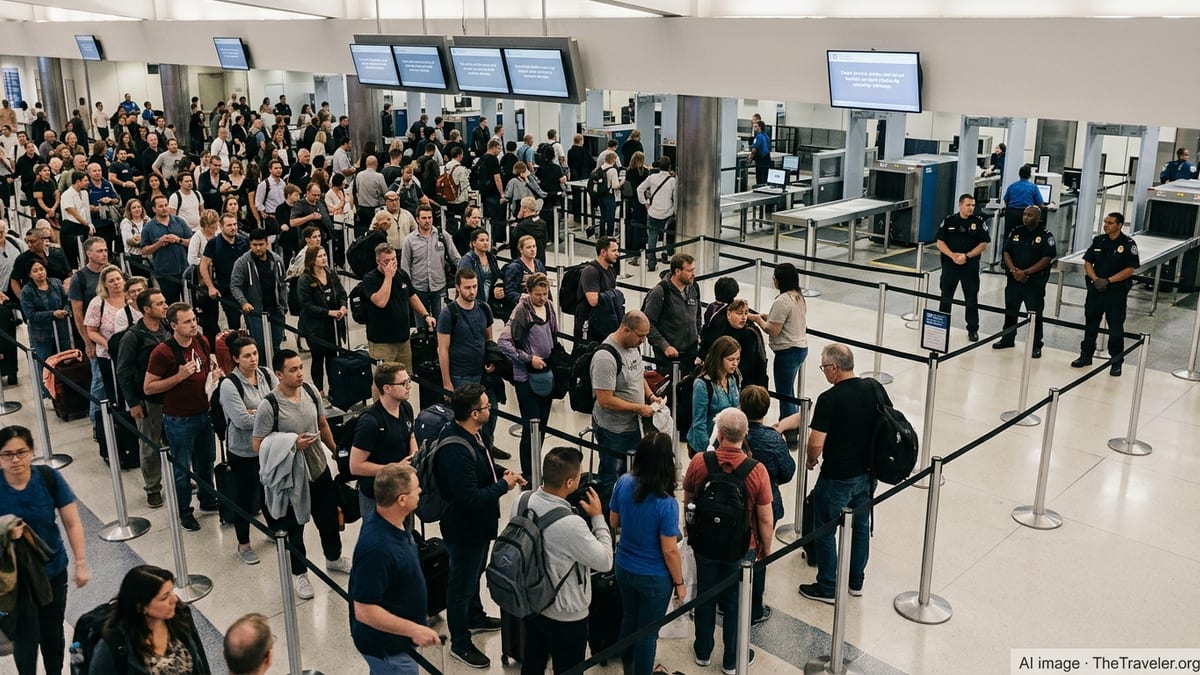
Early-morning schedules set the tone for disruption
Publicly available live flight boards for Liverpool John Lennon Airport showed that disruption began with several early-morning departures and arrivals running behind schedule. A number of services left later than planned, creating a pattern of minor delays that built through the morning peak.
Short-haul routes to popular European holiday destinations were among the most affected, with departure boards indicating revised times and, in some cases, rolling updates as aircraft and crew were repositioned. While most flights continued to operate, even modest hold-ups at a relatively small airport can tighten turnaround windows and add pressure to ground operations.
Arrivals data reflected a similar picture, with some inbound flights landing later than timetabled and subsequently departing late on their next legs. Industry research notes that this type of “knock-on” disruption is a common feature of modern airline networks, where aircraft are scheduled intensively and buffers are limited.
At Liverpool, where there is a single terminal and passengers walk to and from aircraft, even a slight bunching of delayed movements can quickly translate into longer queues at check-in, security and border control during peak times.
Cluster of cancellations adds to passenger frustration
Alongside delays, a small number of services at Liverpool John Lennon Airport were listed as cancelled today on live tracking platforms. These appeared to be scattered across the schedule rather than concentrated on one route or airline, suggesting a mix of operational and network-related causes.
Public flight information typically does not state detailed reasons for each cancellation, and airlines may attribute decisions to factors ranging from aircraft availability to weather or air traffic control restrictions elsewhere in Europe. Aviation analysis commonly highlights how disruption at one airport can cascade across multiple bases as aircraft and crews fall out of position.
For travellers, the distinction between a delayed and a cancelled flight can be significant. Cancellations often require rebooking onto later services or alternative airports, and in some cases, onward journeys by rail or coach. Recent online discussions among passengers travelling through Liverpool have underlined how late-night or last-flight cancellations can leave limited surface transport options, increasing both stress and cost.
Because Liverpool is not a 24-hour rail hub and has no dedicated mainline station, passengers affected by late cancellations may have to rely on buses, taxis or ride-hailing services, particularly when disruption pushes arrivals into late evening or overnight hours.
Knock-on effects across the single-terminal operation
Liverpool John Lennon Airport operates with a single compact terminal, an arrangement that typically supports shorter walking distances and quicker processing during normal conditions. However, when several flights are delayed at once, the concentration of passengers in shared spaces can become more noticeable than at larger multi-terminal airports.
Customer feedback reports discussed at recent consultative committee meetings for the airport have previously highlighted that while many travellers praise the speed of check-in and security, delays can quickly magnify existing concerns about queues, limited seating and limited facilities at certain gates. When aircraft remain on stand longer than planned, boarding areas may stay crowded for extended periods.
Departures monitoring today indicated that some flights pushed back significantly behind schedule, likely leading to tighter overlaps between waves of passengers. For those passing through security during these peaks, experiences can vary sharply depending on whether they arrive in a lull or just as several delayed flights are boarding and closing.
On the arrivals side, baggage delivery at Liverpool is generally reported as efficient, but any clustering of late inbound flights can lengthen carousel waits. A number of passengers posting about previous episodes of disruption at the airport have described extended stays in the terminal when diversions or weather-related delays elsewhere forced unplanned overnight stops in Liverpool.
Weather, network pressures and wider aviation trends
Today’s combination of delays and cancellations at Liverpool John Lennon Airport reflects wider patterns seen across European short-haul aviation. Research into on-time performance points to a blend of factors behind schedule reliability, including weather conditions along flight paths, airport congestion, air traffic control constraints and tight airline scheduling models.
Northwest England’s weather can be highly changeable, and forecasts of low cloud, rain showers or gusting winds often prompt minor airborne or ground holding that cascades into longer rotations. Even when Liverpool itself is not directly affected by severe conditions, disruption at other UK or European airports can impact aircraft and crews due to arrive in the city later in the day.
Industry studies also highlight that airlines operating dense, low-cost networks are particularly exposed to cumulative delays. A single late departure in the early morning can still be influencing schedules by late evening, particularly where aircraft operate multiple sectors without long recovery gaps. Today’s pattern at Liverpool, with issues starting in the morning and recurring through subsequent waves of flights, fits this broader picture.
While the airport has historically reported strong punctuality compared with some larger UK hubs, the broader system pressures on airlines and air traffic control mean that punctuality at any one airport is increasingly tied to events across the wider network.
Guidance for travellers facing delays and cancellations
Travel experts generally advise passengers flying from airports such as Liverpool to monitor their flight status closely on the day of travel and to allow additional time at the terminal when there are signs of disruption. This is especially important for early-morning departures, which set the tone for the rest of the operating day.
Passengers whose flights are delayed are usually encouraged to remain close to their gate area once a boarding time is announced, as revised estimates can change quickly when an aircraft or crew becomes available. For those facing cancellations, checking rebooking options through airline websites or mobile apps can sometimes be faster than queuing at airport service desks, particularly when multiple flights are affected at once.
Travel rights vary depending on the airline and the cause of disruption, but consumer advice services regularly recommend that passengers keep records of boarding passes, receipts and any airline notifications to support later claims. At regional airports with more limited late-night public transport, travellers are also urged to consider their options for getting home or to their final destination if delays push arrival times past midnight.
Today’s operational challenges at Liverpool John Lennon Airport underline how quickly a relatively small number of delayed and cancelled flights can shape the experience of hundreds of passengers over the course of a single operating day.