


More news on this day
Holiday weekend travel at Boston Logan International Airport was disrupted Sunday night after a problem in the airport’s fueling system prompted a ground stop, delaying and canceling flights as crews worked to restore normal operations.
Get the latest news straight to your inbox!
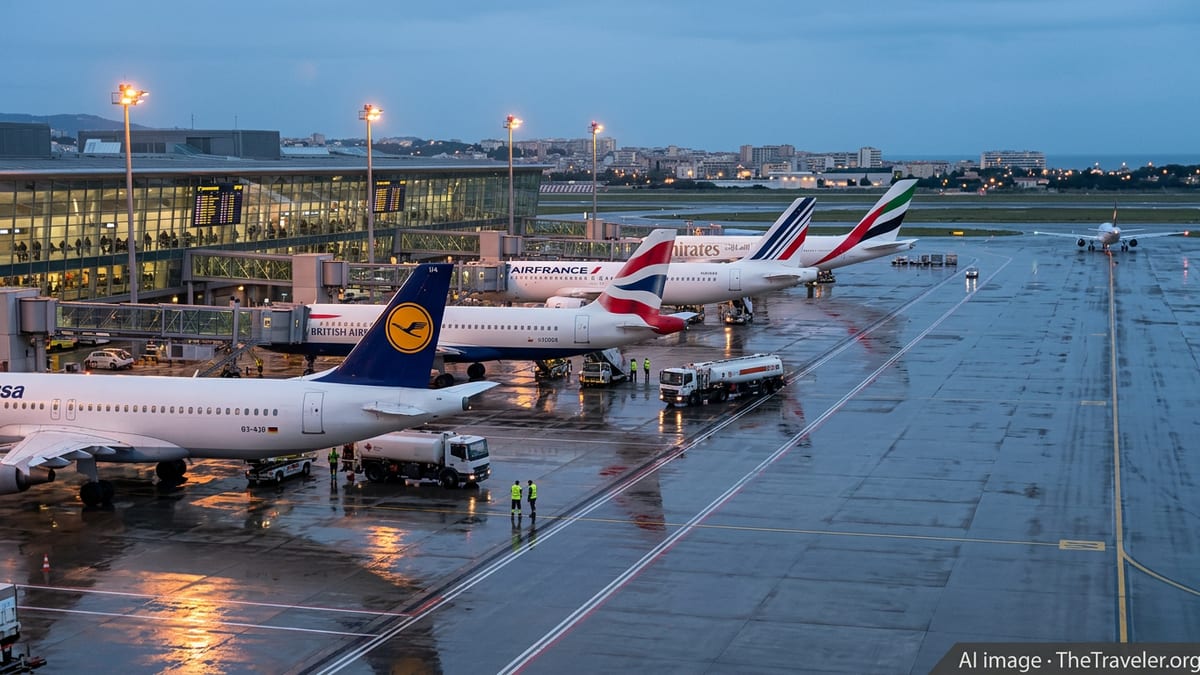
Fueling system issue triggers FAA ground stop
Publicly available flight operations data and regional news coverage indicate that the disruption began on the evening of Sunday, July 5, when a malfunction in Logan’s centralized fueling system curtailed the ability to refuel outbound aircraft at the gates. The Massachusetts Port Authority, which operates the airport, acknowledged a fueling system issue and announced that Boston Logan was subject to a ground stop while the problem was addressed.
According to published reports, the Federal Aviation Administration issued a formal ground stop for Boston Logan International Airport, temporarily pausing most departures. Airlines began holding aircraft at gates or delaying pushback times, with some flights unable to leave because they could not take on sufficient fuel. The timing, during one of the busiest travel periods surrounding the Fourth of July and the United States’ 250th anniversary commemorations, amplified the effect across airline networks.
Regional broadcasters and online flight trackers showed departure boards filling with delays and an increasing number of cancellations through the late evening hours. Some inbound flights were able to arrive, but the bottleneck in fueling meant that turnarounds were significantly slowed, leading to aircraft waiting on taxiways or remaining parked away from gates longer than scheduled.
By late Sunday night, Massport updates referenced in local coverage indicated that the fueling issue had been resolved and that the ground stop was expected to be lifted. Even as fuel operations were reported to be returning to normal, residual congestion on taxiways and at gates continued to affect aircraft movements.
Passengers face long waits and overnight disruptions
Television and online reports from Boston-based outlets described passengers sitting on aircraft for extended periods, waiting either for gates to open or for fueling operations to resume. Some travelers arriving from other cities remained on the tarmac for close to an hour while the ground stop was in effect, according to media interviews with affected passengers.
Inside the terminals, departure boards showed strings of delayed flights and a growing cluster of cancellations as the evening wore on. Local coverage noted that some travelers were stranded overnight, forced to rebook for Monday morning departures or connect through alternate hubs after missing connections back to New England.
Airlines responded by issuing rolling delay notifications through mobile apps and terminal displays as the extent of the fueling issue became clear. Carriers also worked to reposition aircraft and crews for Monday’s schedule, a complex task at the height of a holiday travel period when many flights were already near capacity.
Reports from the airport early Monday indicated that check in counters and security checkpoints were busier than typical for a post-holiday morning as affected passengers returned to try again. Travelers were urged through public statements and news segments to verify flight status before heading to the airport, reflecting the lingering impact of the previous night’s fueling system problems.
How Logan’s fueling system works
Publicly available planning and environmental documents for Boston Logan International Airport describe a centralized fuel farm and hydrant distribution system that supplies jet fuel to most commercial aircraft. Instead of relying primarily on individual tanker trucks to reach each gate, the airport’s system moves fuel through underground pipelines to hydrant pits near parking positions, where aircraft can be fueled more efficiently under normal conditions.
The fueling infrastructure at Logan is overseen by BOSFUEL, a consortium of airlines that manages the joint fuel storage and hydrant system. Massport retains responsibility for the broader airfield and regulatory environment while the consortium handles day to day fueling operations, according to prior public documentation and references in regional news reports.
Massport’s environmental and infrastructure reports describe an Aircraft Fueling System with built in safeguards designed to manage environmental and safety risks, including containment measures and monitoring of the centralized fuel farm. While current reporting does not specify which component of the system malfunctioned on Sunday night, the nature of the disruption suggests an issue within the shared fueling infrastructure rather than with a single carrier’s equipment.
A similar outage in 2024, also involving the fuel farm system, has been described in past coverage as requiring a system restart to restore operations. The recurrence of a large scale fueling disruption is drawing attention to the central role of the hydrant network in keeping departures on schedule and the challenges that arise when a common system encounters problems.
Residual delays ripple into Monday morning
By early Monday, July 6, publicly available flight boards and local news reports showed that flights were once again departing from Logan, but with residual delays and scattered cancellations still evident across several airlines. Carriers worked through backlogs created by Sunday night’s ground stop, reassigning aircraft and crew and prioritizing long haul and early morning departures where possible.
Reports from multiple outlets indicated that operations were “slowly returning to normal,” with some airlines cautioning that passengers should continue to expect longer than usual lines at check in, baggage drop and customer service desks. The combination of peak summer travel, a holiday weekend and the previous night’s fueling disruption left limited slack in the system to absorb additional irregularities.
Air travel analysts note that ground stops related to technical issues can have effects that extend well beyond the initial outage window. Aircraft that were scheduled to operate multiple legs overnight or early the next morning may arrive late or out of position, leading to knock on delays across other airports connected to Boston in airline networks.
At Logan, the Monday morning wave of flights included both rebooked travelers from Sunday and passengers originally scheduled to depart that day. That overlap contributed to crowds in terminals and at transportation links serving the airport, including regional buses, ride hailing pick up zones and parking facilities.
Questions raised about redundancy and resilience
While Massport has not yet publicly detailed the precise cause of the latest fueling disruption, the event is likely to prompt further scrutiny of Logan’s fuel system redundancy and contingency planning. Travel industry observers point out that centralized hydrant systems are widely used at large airports for efficiency and environmental management, but that reliance on shared infrastructure can create single points of failure when backups are limited or difficult to activate quickly.
Public documentation shows that Logan’s fueling system incorporates environmental safeguards and operational controls, but information about real time backup procedures is less detailed. Aviation specialists suggest that airports facing repeated fueling related disruptions may explore options such as enhanced system monitoring, expanded use of tanker trucks during outages, or staged maintenance to reduce the risk of large scale shutdowns.
For travelers, the Sunday night ground stop serves as a reminder that non weather technical issues can have significant effects on flight schedules, particularly during peak travel periods. Consumer advocates often recommend building extra buffer time into itineraries that rely on tight evening connections or last flights of the day, especially through busy hubs such as Boston.
As airlines and airport operators review the circumstances surrounding the fueling system malfunction, attention is likely to focus on how quickly normal operations can be restored in any future incident and how clearly information is shared with passengers. For one of New England’s primary air gateways, maintaining confidence in critical infrastructure such as fuel delivery is an essential part of managing ongoing growth in holiday and summer travel.