


More news on this day
Swiss rail manufacturer Stadler is marking 10 years of operations in the United States with a major expansion of its Salt Lake City factory, a move that significantly increases production capacity and underscores Utah’s role in North American train manufacturing.
Get the latest news straight to your inbox!
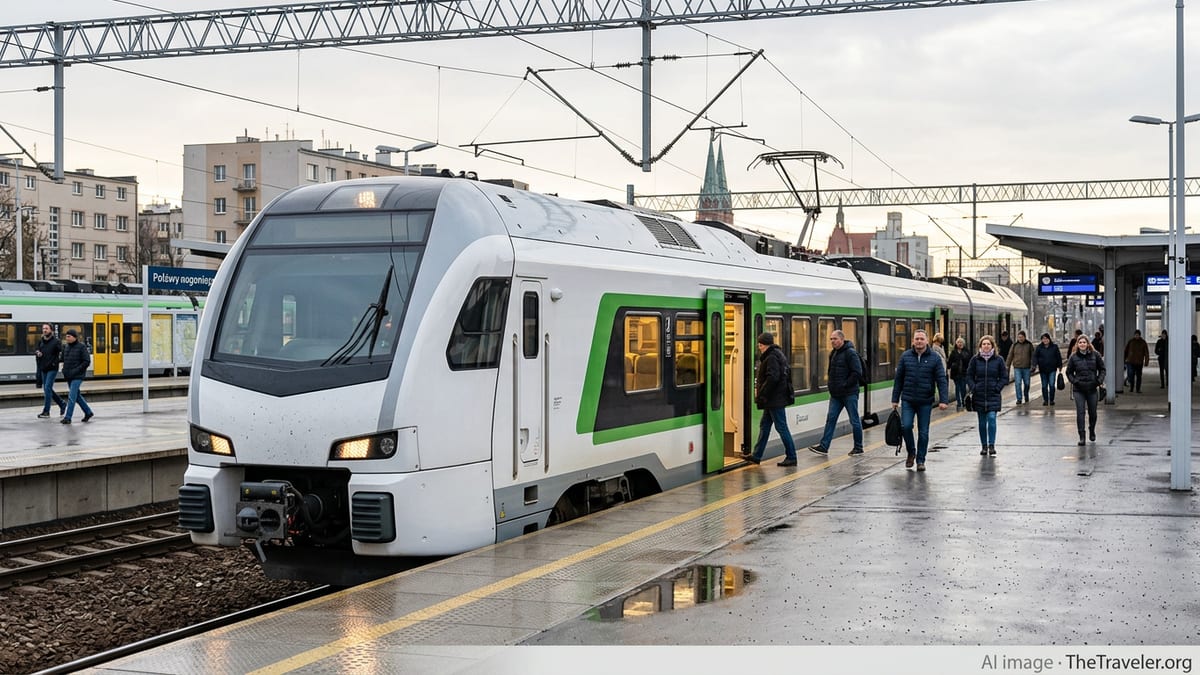
A larger footprint for U.S. train production
According to publicly available company information, Stadler’s latest investment adds roughly 245,000 square feet of manufacturing space to its west-side Salt Lake City campus. The project expands the plant’s total manufacturing area to about 475,000 square feet, turning the site into one of the largest dedicated passenger-rail vehicle factories in the country.
Reports indicate that the new buildings include a purpose-built welding hall, a blasting booth, an enlarged assembly hall, an expanded warehouse and an electrical pre-assembly hall. These additions are designed to streamline production flows, from raw shells to fully fitted trainsets, while allowing multiple major contracts to be built in parallel.
Industry coverage notes that the expansion builds on earlier phases of growth at the site, including a dedicated aluminum welding facility that began operations in 2025. With the new structures now open, the factory can complete more work in-house, reducing reliance on imported bodyshells and shortening the supply chain for U.S. transit agencies.
The enlarged footprint is positioned to support a range of Stadler product families, from regional multiple units to light rail and metro vehicles. Observers say this flexibility is a key asset as U.S. cities seek to modernize and, in some cases, rebuild their passenger rail fleets.
Jobs, training and long-term commitments in Utah
Stadler’s latest announcement emphasizes the employment impact of the expansion, with published figures indicating that up to 300 additional local jobs could be created as production ramps up. These roles are expected to span welding, assembly, logistics, engineering support and plant operations.
Public information from the company highlights a focus on training and apprenticeships, including opportunities aimed at younger workers entering advanced manufacturing. The expanded campus is described as an anchor for long-term skills development in metalworking, rail-specific systems and industrial project management.
Utah economic development materials have previously pointed to the Stadler facility as a cornerstone of the state’s strategy to attract high-value manufacturing. The newly inaugurated halls reinforce that positioning, signaling that the company expects sustained demand from transit agencies across North America.
Local reporting also notes that the plant’s growth has helped diversify the industrial base on Salt Lake City’s west side, traditionally home to logistics and warehousing. The presence of a global rail producer offers a different kind of employment profile, one that combines hands-on fabrication with engineering and technical expertise.
Serving a growing North American rail market
Stadler entered the U.S. market a decade ago with an eye on emerging opportunities in commuter, regional and light rail. Over the years, the Salt Lake City factory has been associated with projects for agencies such as Caltrain in the San Francisco Bay Area, Atlanta’s MARTA and multiple systems in Texas, according to trade press and previous project documentation.
Recent coverage indicates that the enlarged plant is intended to serve rising demand for new and replacement train fleets across the continent. Aging rolling stock, electrification programs and interest in lower-emission propulsion technologies are all contributing to a busier order book for manufacturers.
By expanding its U.S. footprint, Stadler positions itself to compete more strongly for contracts that come with domestic-content expectations. Producing car shells, final assembly and systems integration in Utah allows the company to respond to “Buy America” requirements that are common in federally supported projects.
Analysts following the rail sector suggest that the ability to deliver complex, customized trains from a single North American hub will be increasingly important as agencies seek shorter lead times and closer collaboration on vehicle design and testing.
A decade-long transformation of the Salt Lake City site
Stadler’s current milestone comes roughly seven years after the grand opening of its purpose-built Salt Lake City factory, which itself followed an initial U.S. foothold elsewhere in Utah. Over that period, the site has gone from a greenfield development to a multi-building industrial campus with its own test track and specialized production lines.
Company background material shows that the plant has evolved in phases, adding capabilities such as on-site welding, expanded assembly areas and upgraded logistics infrastructure. The latest expansion continues that pattern, effectively creating more room for parallel production and future technology upgrades.
Reports from European and U.S. outlets alike emphasize that the 10th anniversary is being viewed internally as both a retrospective and a starting point. The newly opened halls in Salt Lake City are intended to support the next generation of vehicles, including low-emission and alternative-propulsion trains that are under development for various customers.
Observers note that this gradual build-up reflects broader trends in rail manufacturing, where suppliers often start with imported components and then localize more stages of production as order volumes and experience grow. Stadler’s campus on the west side of Salt Lake City now illustrates that trajectory on a large scale.
Implications for travelers and transit systems
While the factory expansion is an industrial story, its effects will ultimately be most visible to passengers boarding new trains across the United States and Canada. Modern railcars manufactured in Salt Lake City are expected to offer quieter rides, improved accessibility and more efficient energy use compared with many of the fleets they replace.
Transit industry publications describe these vehicles as part of a broader shift toward higher-frequency, more attractive rail services in urban and regional corridors. As more agencies procure new rolling stock, the ability of manufacturers like Stadler to deliver on time and at scale becomes a critical factor in meeting service goals.
For travelers, the growth of a major train factory in Utah is a behind-the-scenes development, but one that could influence the comfort, reliability and environmental footprint of rail journeys in the coming years. From electric commuter trains to light rail vehicles tailored to specific cities, many of those future trainsets are likely to begin their lives on the production lines of the expanded Salt Lake City plant.
As Stadler marks a decade on the U.S. rail scene, the company’s latest investment signals confidence that passenger rail will remain a central part of the North American mobility landscape and that Utah will continue to play a pivotal role in building it.