


More news on this day
A major stretch of Washington’s Red Line went dark this morning as Metro launched a two-month shutdown between North Bethesda and Friendship Heights, forcing thousands of daily riders to switch to shuttle buses, other rail lines, and surface transit alternatives.
Get the latest news straight to your inbox!
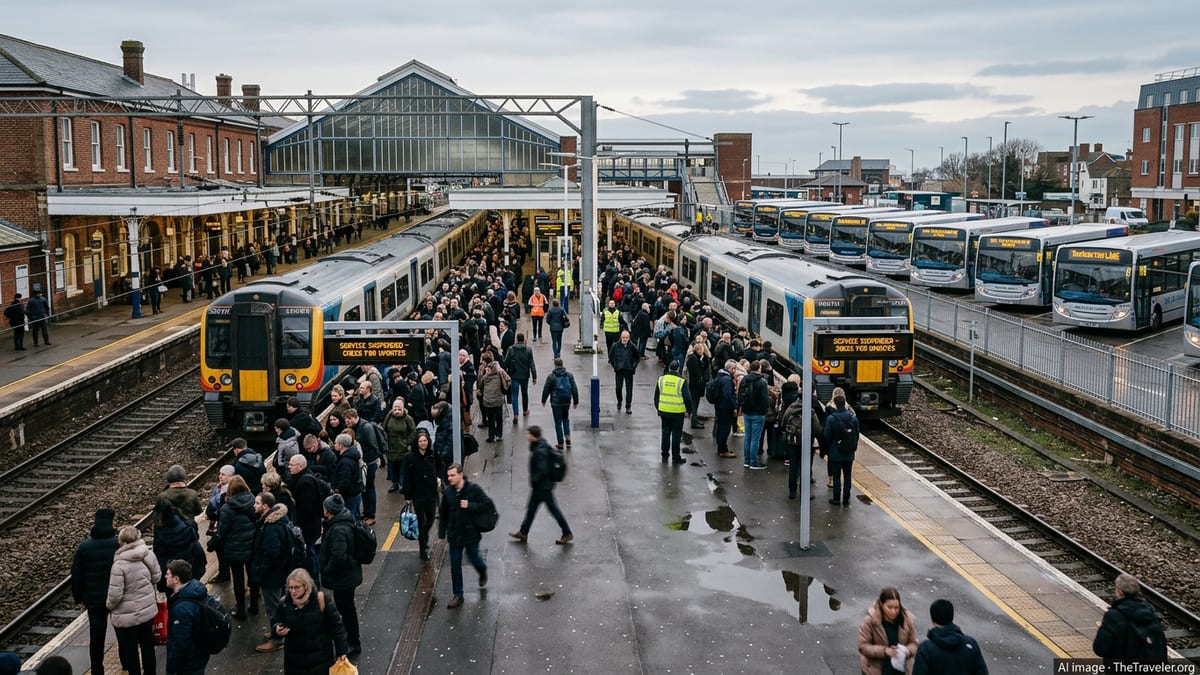
Where the Red Line is closed and for how long
The shutdown affects Red Line service between North Bethesda and Friendship Heights, with no trains running at Grosvenor–Strathmore, Medical Center, or Bethesda throughout the work period. Trains continue to operate on both ends of the line, but riders who normally travel through this core Montgomery County segment will need to transfer to shuttle buses or reroute via other Metro lines.
Published coverage indicates the shutdown is scheduled from July 6 through September 6, creating roughly a two‑month gap in service during the heart of the summer travel season. Reports describe the outage as one of Metro’s most disruptive recent construction periods for Maryland riders, similar in scale to the 2024 Red Line closures tied to Purple Line work further north.
The closure is part of a broader capital program aimed at modernizing infrastructure and improving long‑term reliability. Prior Red Line projects have combined track, power, and signal upgrades, and public documents on Metro’s capital plans show this summer’s work as a key step in the systemwide push to extend the life of aging assets and support automatic train operations.
On either side of the work zone, trains are expected to run in two Red Line segments, allowing Metro to keep most of the line in service while construction proceeds in the middle. Riders starting or ending trips at Shady Grove, Rockville, downtown Washington, and eastern Montgomery County stations will still see Red Line trains, but may face longer overall travel times if they need to cross the closed section.
Construction focus: what Metro is doing during the shutdown
According to Metro planning documents and previous public briefings on Red Line modernization, the summer closure is intended to concentrate intensive work that would be difficult to accomplish during overnight or weekend outages. The focus includes track rehabilitation, signal and power upgrades, and station‑area improvements designed to support more reliable operations in the years ahead.
Recent reports on Metro’s capital program highlight a systemwide effort to renew interlockings, replace aging track components, and modernize communications and train control systems. Similar Red Line shutdowns in 2024 were used to advance signal projects and prepare for the return of automatic train operation on parts of the system, a process that safety and oversight reports indicate has been progressing line by line.
By clustering work into a continuous closure rather than relying solely on piecemeal weekend disruptions, planners aim to reduce the total time needed for construction and avoid repeated cycle‑on, cycle‑off mobilization of crews and equipment. Past performance reviews of summer shutdowns on the Red Line show that this approach allowed crews to complete years’ worth of weekend‑style work in a single season.
The shutdown also gives Metro and local jurisdictions a window to test surface‑level transit treatments such as temporary bus‑priority lanes and signal timing changes. During a previous Red Line closure in Montgomery County, local and federal transportation bulletins described a mix of dedicated bus lanes and curbside modifications which were later evaluated for potential long‑term use.
Shuttle buses and replacement service
Throughout the shutdown, free shuttle buses form the backbone of Metro’s replacement service between the closed stations. Published coverage indicates that at least two types of shuttles are operating: express buses connecting key transfer points and local shuttles that stop at or near each closed station to preserve neighborhood access.
Express shuttles are designed for riders making longer trips, particularly those commuting from outer Montgomery County to job centers in Bethesda and along the Wisconsin Avenue corridor. These routes typically link North Bethesda and Friendship Heights with limited stops, aiming to keep travel times competitive with normal rail service despite traffic.
Local shuttles, by contrast, provide more frequent stops around the affected station areas, giving riders a way to connect from nearby bus routes, residential blocks, and commercial districts to the nearest operating Red Line station. Riders can board these shuttles at signed stops outside the closed stations, and the service is free to encourage use and simplify transfers.
Alongside Metro‑operated shuttles, regular bus routes on Wisconsin Avenue, Old Georgetown Road, and surrounding corridors are expected to carry heavier loads. Previous shutdowns have seen Metrobus and regional bus operators adjust schedules or add trips where possible, and transportation bulletins encourage riders to check route‑specific alerts for the latest information.
How commutes and regional travel will change
For many daily riders, the most immediate impact of the shutdown will be added time and additional transfers. Commuters who previously enjoyed a one‑seat ride from Montgomery County suburbs into downtown will now need to plan for shuttle connections, crowding at transfer points, and potential traffic delays on already busy arterials.
Travel patterns into key employment hubs are likely to shift. Riders heading to the Medical Center area around the National Institutes of Health and Walter Reed National Military Medical Center, for example, will rely heavily on shuttle service and local buses in place of direct Red Line access. In Bethesda, the construction period falls during a busy season for offices, restaurants, and regional visitors, putting extra pressure on surface streets and parking.
Reports also indicate some riders may opt for parallel options such as MARC commuter rail into Union Station, regional commuter buses, carpools, or cycling on established trails. During earlier Red Line construction north of Silver Spring, ridership data and rider accounts showed noticeable increases on alternative modes when comparable rail segments were offline.
Tourists and occasional riders should be prepared for more complex journeys as well. Those staying in Bethesda or along the Wisconsin Avenue corridor who intend to visit downtown landmarks via Metro will need to build in extra time for shuttles or consider using ride‑hailing, taxis, or bus routes that directly serve the National Mall area.
Tips for navigating the shutdown
Transportation agencies and transit advocates are urging riders to plan ahead and leave extra time, particularly during the first week of the shutdown when patterns are still settling. Publicly available guidance stresses the importance of checking trip planners and live service alerts on the morning of travel, as shuttle operations and bus conditions can vary from day to day.
Riders who can shift their schedules may find some relief by traveling earlier or later than traditional rush hours, when shuttle buses and connecting routes are expected to be most crowded. Employers with flexible work policies may also help reduce congestion by encouraging remote work or staggered hours while the closure is in effect.
For those who must travel through the affected area daily, transportation bulletins recommend identifying at least one backup route, such as a different bus line, an alternate rail station, or a park‑and‑ride option. Prior Red Line shutdowns have shown that having a fallback plan can be crucial on days when traffic delays or incidents disrupt shuttle operations.
Metro has reminded customers in past construction seasons that patience during extended closures can translate into smoother trips later, as upgraded infrastructure typically supports more reliable headways and fewer unplanned disruptions. For the next two months, though, Red Line riders between North Bethesda and Friendship Heights should brace for a noticeably different commute and pay close attention to evolving travel advisories.