


More news on this day
Hartsfield-Jackson Atlanta International Airport faced another bruising travel day as more than 120 flight delays and at least 35 cancellations disrupted operations for Delta, American, Frontier and other major carriers, snarling connections across one of the world’s busiest aviation hubs.
Get the latest news straight to your inbox!
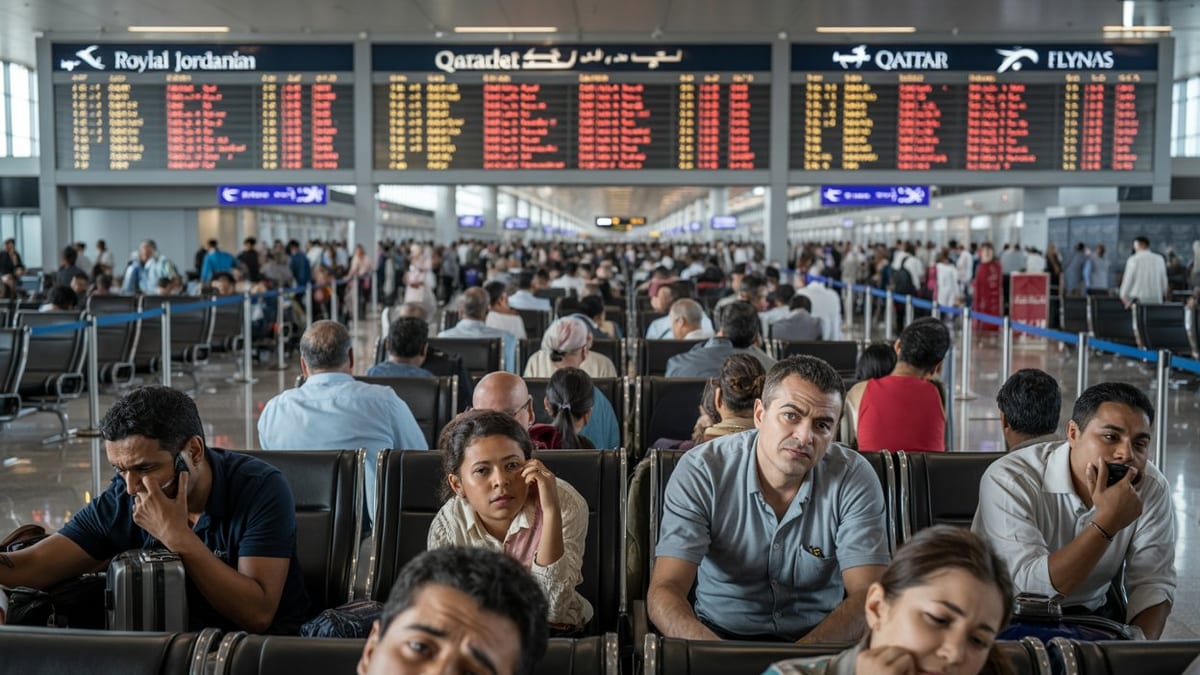
Tracking a Fresh Wave of Disruption at ATL
Publicly available flight-tracking dashboards on Tuesday showed triple-digit delays and several dozen cancellations centered on Atlanta, affecting departures and arrivals throughout the day. The disruption came on top of broader national turbulence that has repeatedly tested airline operations in recent weeks, with thousands of travelers reporting missed connections, extended layovers and forced overnight stays.
Delta Air Lines, which operates the largest share of flights at Hartsfield-Jackson, appeared to shoulder a significant portion of the operational strain, with regional connections and shorter-haul routes particularly exposed. American Airlines and ultra-low-cost carrier Frontier were also among the carriers registering schedule changes, compounding the frustration for passengers moving through the hub and relying on tight connections.
While the specific mix of causes varied by flight, patterns across recent days suggest that carriers in Atlanta are contending with the familiar combination of convective weather, air traffic management programs and lingering crew and equipment imbalances that can cascade across networks. When delays reach triple digits at a hub of Atlanta’s scale, even a modest number of outright cancellations can translate into thousands of disrupted itineraries.
Hartsfield-Jackson is routinely cited as the world’s busiest airport by passenger volume, and published airport statistics show Delta alone operating hundreds of daily departures from the facility. That scale means localized issues in Atlanta can quickly ripple outward, affecting flights that never touch the city but depend on aircraft and crews cycling through the hub earlier in the day.
Delta, American, Frontier and Others Feel the Strain
Recent operational data and consumer reports indicate that Delta has experienced a run of challenging days since early May, including several episodes when the carrier logged well over one hundred cancellations systemwide in a single day. Some of those disruptions have been linked to weather and airspace constraints around Atlanta, while others have been associated with broader issues such as fuel logistics and staffing imbalances on regional fleets.
American Airlines, which maintains a substantial presence in Atlanta through key domestic and connecting routes, has also confronted pockets of disruption tied to air traffic control initiatives and storm bands moving through the Southeast. Flight status archives show that on some recent days, American consolidated or canceled select departures from major hubs, forcing rebookings that pushed more passengers through already crowded connection banks.
Frontier, which markets low fares on high-demand leisure routes, has drawn particular scrutiny from travelers connecting through Atlanta. Online accounts describe gate changes, rolling delays and sudden cancellations on routes linking Atlanta with coastal and western destinations. On heavily booked days, the limited frequency of some Frontier routes can leave customers with few same-day alternatives when a flight is pulled from the schedule.
Other carriers operating at Atlanta, including legacy and regional airlines, have not been immune. Because many flights are timed to feed morning and evening connection waves, a round of delays in the early part of the day can leave aircraft and crews out of position for subsequent departures. That dynamic helps explain why a snapshot showing 120 delays and 35 cancellations in Atlanta can understate the true number of passengers affected as misaligned schedules echo through the system.
Passengers Confront Long Lines, Missed Plans and Patchy Information
Posts on travel forums and social media platforms in recent weeks have described scenes of crowded concourses, stretched customer service lines and travelers bedding down at gate areas during extended disruptions at Atlanta. Some passengers recount sprinting between concourses after last-minute gate changes, only to find that boarding had already closed or a flight had been removed from the departure screens.
Others describe the knock-on effects when a single missed connection out of Atlanta leads to lost vacation days, delayed business meetings or missed family events. Reports from earlier systemwide disruptions this month noted travelers who arrived hours before departure, only to spend much of the day in the terminal as rolling delays gave way to eventual cancellations. Many then joined long queues for hotel and meal vouchers, or turned to airline apps to search for scarce open seats the following day.
Information flow has been a recurring point of criticism. While airline mobile apps and text alerts are intended to give real-time updates, some travelers report receiving notifications about gate changes or boarding only minutes before cutoff, or learning of cancellations secondhand through third-party tracking sites. For budget carriers that concentrate customer support at landside counters, passengers have reported having to exit secure areas and clear security again after seeking assistance, adding further time and stress.
These traveler accounts underscore how even a relatively contained set of cancellations in Atlanta can translate into wider travel chaos when lines grow long, rebooking options tighten and expectations for a smooth connection collide with the realities of a strained system.
Why Atlanta’s Role Magnifies Every Disruption
Atlanta’s outsized role in the U.S. aviation network helps explain why a disruption tally of 120 delays and 35 cancellations can feel more severe than the raw numbers suggest. As Delta’s primary hub and an important station for other carriers, Hartsfield-Jackson functions as a central sorting point for domestic traffic, with waves of inbound flights timed to connect to outbound departures in tight windows.
If thunderstorms, air traffic initiatives or operational constraints force ground holds or reduce arrival rates, these tightly choreographed banks can quickly unravel. Aircraft arriving late into Atlanta may miss their scheduled departure slots to onward destinations, and crew duty-time limits can then trigger additional cancellations as airlines are unable to keep pilots and flight attendants legally within their working hour caps.
Published coverage on recent meltdowns has highlighted how disruptions centered on a single hub can ripple nationwide for days, even after local weather conditions improve. When Atlanta faces a backlog of inbound and outbound flights, airlines may proactively cancel some services to reset their schedules, free up aircraft and crews, and prevent even more extensive knock-on delays.
Because of the airport’s sheer scale, these schedule adjustments often translate into thousands of passengers being rebooked, rerouted or forced to wait for open seats. The result can look and feel like a massive system failure, even when the base figure of cancellations remains in the double or low triple digits.
What Travelers Can Do on High-Disruption Days
Travel experts and consumer advocates reviewing recent disruptions have emphasized a few recurring strategies for passengers transiting Atlanta during high-disruption periods. One of the most repeated suggestions is to favor early-morning departures when possible, since the first wave of flights typically leaves before the day’s operational issues fully accumulate.
Another common recommendation is to avoid tightly timed connections at Atlanta when weather forecasts or tracking data suggest elevated disruption risk. Allowing additional connection time can reduce the chances that a modest inbound delay will cause a missed onward flight, particularly when long walks between concourses or terminal changes are involved.
Travelers are also urged to monitor both official airline channels and independent flight-tracking services, since some third-party dashboards can reveal broad patterns of delays and cancellations before individual notifications arrive. Keeping essential items in carry-on bags, rather than checked luggage, can make it easier to pivot to alternative routes or overnight accommodations if a connection is lost.
As Atlanta works through yet another difficult travel day marked by 120 delays and 35 cancellations, the broader pattern is clear. When the nation’s busiest hub stumbles, passengers on Delta, American, Frontier and many other carriers feel the impact far beyond Georgia, a reminder of how finely tuned and fragile modern air travel networks can be.