


More news on this day
A Delta Air Lines flight from Los Angeles to Shanghai was forced to divert to Seattle on Sunday, May 17, after a passenger reportedly became disruptive midflight, cutting short the long-haul journey and leaving hundreds of travelers facing overnight delays.
Get the latest news straight to your inbox!
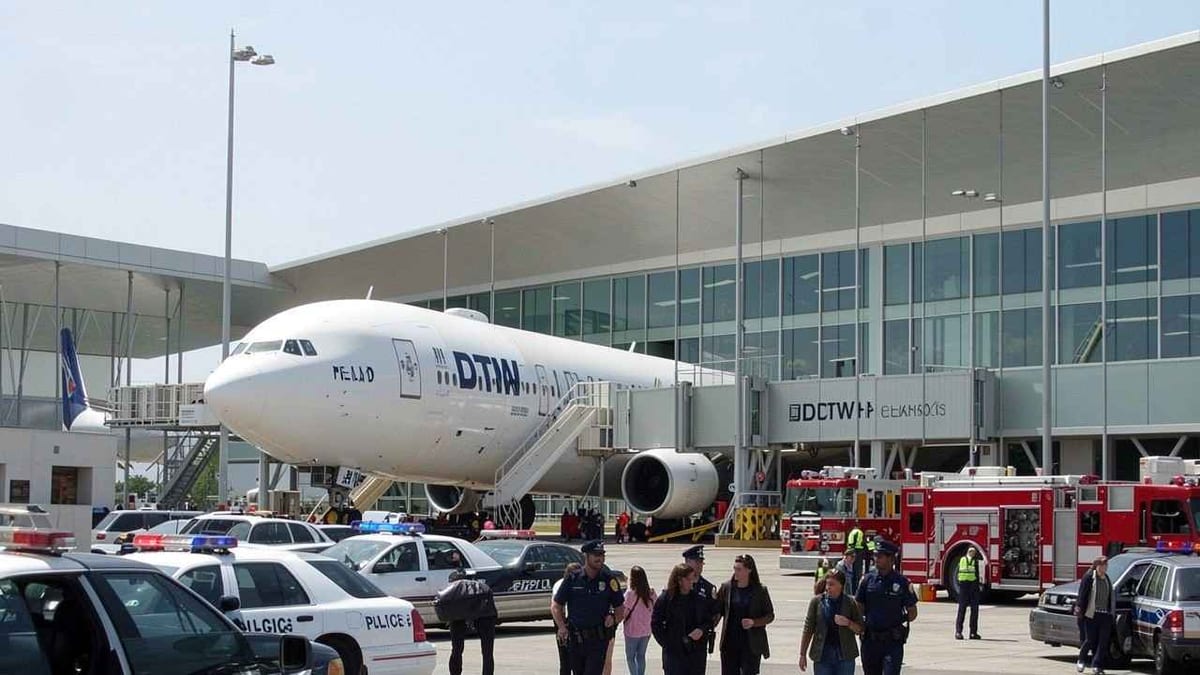
Transpacific Flight Cut Short Over the Pacific Northwest
Publicly available flight-tracking data and aviation incident reports indicate that Delta flight 39, an Airbus A350-900 operating the Los Angeles to Shanghai route, departed Los Angeles International Airport early Sunday afternoon before altering course off the coast of the Pacific Northwest. The aircraft, which typically flies nonstop to Shanghai Pudong International Airport, instead headed for Seattle-Tacoma International Airport after a cabin disturbance escalated.
Reports from aviation outlets describe a situation in which a single passenger allegedly ignored repeated instructions from the cabin crew and became increasingly disruptive as the flight progressed. The behavior was described as serious enough that the crew opted not to continue the remaining transpacific sector, choosing instead to divert to a major Delta hub where ground and security resources are readily available.
Tracking data shows the aircraft landing in Seattle early Sunday evening, roughly six hours after leaving Los Angeles. The unscheduled stop effectively transformed what should have been the beginning of a 13-hour journey to China into a truncated domestic leg for the 271 passengers on board.
According to published coverage, Delta canceled the onward sector to Shanghai after the diversion, leaving the original flight number unable to complete the route that night.
Passenger Removed in Seattle and Overnight Disruption
Accounts compiled from local news reports and aviation-focused outlets indicate that the disruptive passenger was removed from the aircraft upon arrival in Seattle. Law enforcement agencies at Seattle-Tacoma International Airport assumed responsibility for the individual after the plane parked at the gate, although the person’s identity and any potential charges have not been publicly detailed.
With the flight’s schedule upended, Delta provided hotel accommodations in the Seattle area to many of the delayed travelers, according to multiple media summaries of the incident. Passengers were informed that their journey to Shanghai would resume the following day, either on a rescheduled Delta service or via rebooking options.
For many customers, the diversion meant additional security screening, immigration processing planning, and last-minute adjustments to work commitments or connecting itineraries in Asia. Social media posts referenced in news coverage describe long lines at customer service desks as travelers sought updated routing and confirmation of overnight arrangements.
While the disruption affected hundreds of passengers, publicly available information indicates that there were no reported injuries to customers or crew as a result of the onboard behavior.
Delta Highlights Zero Tolerance for Unruly Behavior
The incident comes amid broader industry scrutiny of disruptive passenger behavior and its impact on crew workload, safety margins, and airline operations. According to reports summarizing Delta’s public stance, the airline maintains a zero-tolerance policy toward unruly conduct that interferes with crew instructions or jeopardizes cabin safety.
Recent coverage of the Seattle diversion notes that the carrier emphasized the primacy of safety in decisions to divert or cancel flights when passenger conduct crosses critical thresholds. The decision to halt a long-haul flight several hours into a transpacific route reflects the significant operational and financial cost airlines are willing to absorb rather than risk a deteriorating situation far from suitable diversion airports.
Industry observers point out that once a flight crosses deeper into the Pacific, diversion options become more limited and complex, requiring difficult choices about medical care, security response, and crew duty-time limits. Acting while still within range of large West Coast hubs such as Seattle allows airlines to manage those variables more predictably.
The Seattle incident also adds to a growing public record of diversions tied to disruptive passengers, which aviation analysts track as part of wider trends in cabin behavior and airline enforcement actions.
Operational Impact on a Key U.S.–China Route
The Los Angeles to Shanghai corridor is a significant long-haul route linking one of the busiest gateways in the United States with a major financial center in China. Flight 39 is among the flagship services connecting the two markets, and a short-notice diversion on this route can ripple across aircraft rotations, crew schedules, and downstream flights.
Flight-tracking histories show that the diverted Airbus A350 was scheduled to continue operating in transpacific service after reaching China, suggesting that the unscheduled stop in Seattle and the cancellation of the original sector required Delta to reassign aircraft and crews in subsequent days. Such knock-on effects can persist beyond the single incident, particularly during peak travel periods when spare capacity is limited.
For travelers, the interruption underscored the fragility of long-haul itineraries that rely on tight aircraft utilization and complex international schedules. Some passengers reportedly faced missed connections in Shanghai to other Asian destinations, while others needed to adjust hotel stays, business meetings, and visa-related timing.
Operational experts note that hubs like Seattle are designed to absorb these kinds of irregular operations, with maintenance support, crew bases, and customs and immigration facilities that can handle unexpected widebody arrivals from overseas-bound flights.
Part of a Wider Pattern of Midair Diversions
While disruptive-passenger diversions remain relatively rare compared with the total number of flights operated daily, aviation databases and news archives show a steady stream of similar incidents across major global carriers in recent years. These events can stem from a range of causes, including alcohol-related behavior, refusal to follow mask or seatbelt instructions, or disputes that escalate in the confined environment of an aircraft cabin.
Analysts observing these trends point to enhanced crew training, clearer escalation protocols, and strengthened cooperation with law enforcement at diversion airports as key tools airlines use to manage such situations. Flight 39’s diversion to Seattle fits within those established patterns, with the crew opting to land at a large hub where security, medical, and customer-service resources are readily available.
Regulatory bodies and industry groups continue to encourage passengers to adhere to crew directions and cabin rules, emphasizing that failure to do so can result in diversions, federal investigations, and possible civil penalties. Recent high-profile cases have seen disruptive travelers barred from future flights or added to internal airline lists that restrict future travel.
In the wake of the Los Angeles to Shanghai diversion, the Seattle incident is likely to be cited in ongoing discussions about balancing passenger rights, airline responsibilities, and the uncompromising safety culture that governs commercial aviation.