


More news on this day
Plans for the cross-border Lower Saxony Line between the northern Netherlands and Germany are entering a decisive public consultation phase, as local authorities compile feedback from residents, businesses and interest groups on one of the region’s most closely watched rail projects.
Get the latest news straight to your inbox!
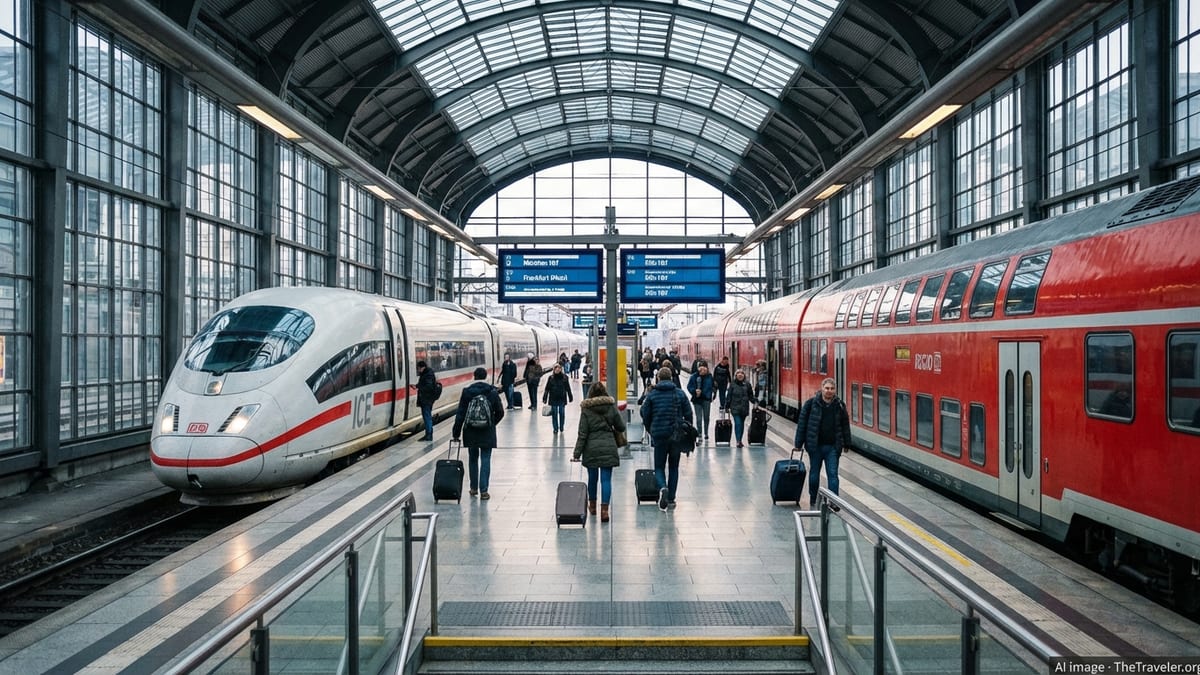
Cross-border rail corridor gains momentum
The Lower Saxony Line, commonly referred to in Dutch as the Nedersaksenlijn, is envisioned as a new rail connection linking Groningen with Emmen and onward toward the German border in the direction of Lower Saxony. Publicly available planning documents describe it as part of a broader strategy to strengthen rail links between the northern Netherlands and northwestern Germany, complementing other proposals such as the Lely Line and upgrades on existing routes.
Regional governments in the Dutch provinces of Groningen, Drenthe, Friesland and Flevoland have previously framed the project as a cornerstone of long-term spatial and transport planning in the north. Published material shows that the line is being discussed alongside major housing development commitments, with the rail corridor expected to support new residential areas and improve access to employment hubs across the border.
On the German side of the frontier, the concept fits into a wider effort by Lower Saxony and neighboring states to modernize regional rail, including line reopenings, station upgrades and new rolling stock. Recent project overviews from Lower Saxony highlight dozens of potential line reactivations and capacity improvements, suggesting that a future cross-border link could integrate with an increasingly dense network of regional services.
Public consultation moves into the spotlight
The current consultation phase marks a turning point for the Lower Saxony Line. According to recent coverage from Dutch rail infrastructure manager publications, authorities have gathered a significant number of formal responses from citizens, municipalities and organizations during a structured feedback round on the project. A compiled response report brings together comments, concerns and suggestions submitted during this period, providing a reference point for subsequent political and technical discussions.
Planning documents indicate that the consultation focuses on a range of issues, including route alignment, environmental effects, noise and landscape impacts, as well as the projected benefits for accessibility and regional development. Many contributions come from communities situated along the proposed corridor, where residents are closely following how new tracks or upgraded infrastructure could alter their surroundings.
Publicly available information shows that this phase does not yet constitute final design approval or construction authorization. Instead, it is intended to refine scenarios, test assumptions and highlight both support and resistance, ensuring that decision-makers have a clearer picture of local priorities before moving toward more formal planning procedures.
Balancing regional growth, mobility and environmental concerns
The consultation period is also drawing attention to the broader policy goals behind the Lower Saxony Line. Background papers from regional authorities describe the project as a way to improve sustainable mobility in an area that relies heavily on road transport, offering a rail alternative for medium-distance journeys between northern Dutch cities and destinations in Lower Saxony and beyond.
At the same time, environmental considerations are prominent in submissions and official summaries. Contributors are raising questions about land use, nature protection areas and potential impacts on agricultural land. Experiences from other major infrastructure projects in Germany and the Netherlands suggest that routing, noise mitigation and landscape integration can become decisive topics during public dialogue, and commentators expect similar debates around the Lower Saxony corridor.
Supporters of the project often point to potential reductions in car traffic, better regional cohesion and new opportunities for cross-border commuting and tourism. Critics and cautious voices, as reflected in feedback summaries, highlight uncertainties about cost estimates, demand forecasts and the pace at which benefits would materialize compared with less capital-intensive alternatives such as improving existing bus or rail services.
Integration with Dutch and German rail strategies
The Lower Saxony Line is not being planned in isolation. Dutch policy discussions outline it alongside other strategic corridors intended to improve connections between the Randstad, the northern provinces and Germany. In cross-border mobility studies, the line is linked conceptually to initiatives such as the Wunderline between Groningen and Bremen, which aims to provide a faster and more reliable rail route across the border via Lower Saxony.
In Germany, Lower Saxony is engaged in a broader rail modernization program that includes electrification projects, the introduction of battery and alternative-drive trains on non-electrified routes and the reactivation of regional lines previously closed to passenger services. Reports on these efforts describe a long-term shift toward more climate-friendly mobility, higher service frequencies and better rural accessibility, which would provide a natural framework for any future tie-in of the Lower Saxony Line on German territory.
Transport analysts note that the eventual success of the corridor will depend on how seamlessly it connects with existing and planned services on both sides of the border. Timetabling, ticketing integration and coordinated investment cycles are all likely to feature prominently in technical discussions following the current consultation round.
Next steps after the consultation phase
With the latest series of public responses now consolidated, attention is turning to what happens next for the Lower Saxony Line. According to published project information, authorities will evaluate the submissions and prepare recommendations for political decision-makers at provincial and, where applicable, national level. This assessment phase typically involves reviewing suggested route adjustments, examining additional impact studies and weighing cost implications.
If political backing is reaffirmed, the project would be expected to move into more detailed planning, including further environmental assessments and potential corridor safeguarding measures. In many comparable European rail schemes, this sequence can extend over several years before construction decisions are reached, particularly when cross-border coordination is involved.
For travelers and regional stakeholders, the consultation phase offers a rare opportunity to help shape a project that could influence everyday mobility patterns for decades. As the feedback is analyzed and incorporated into updated plans, the debate around the Lower Saxony Line is set to remain a focal point in northern European transport policy, reflecting both the promise and the complexity of delivering new international rail infrastructure.