


More news on this day
Frontier Airlines is preparing a significant shift in its ultra-low-cost formula, with publicly available information indicating plans for new First Class seating, expanded premium options and onboard Wi‑Fi that could reshape the experience for millions of budget-conscious travelers.
Get the latest news straight to your inbox!
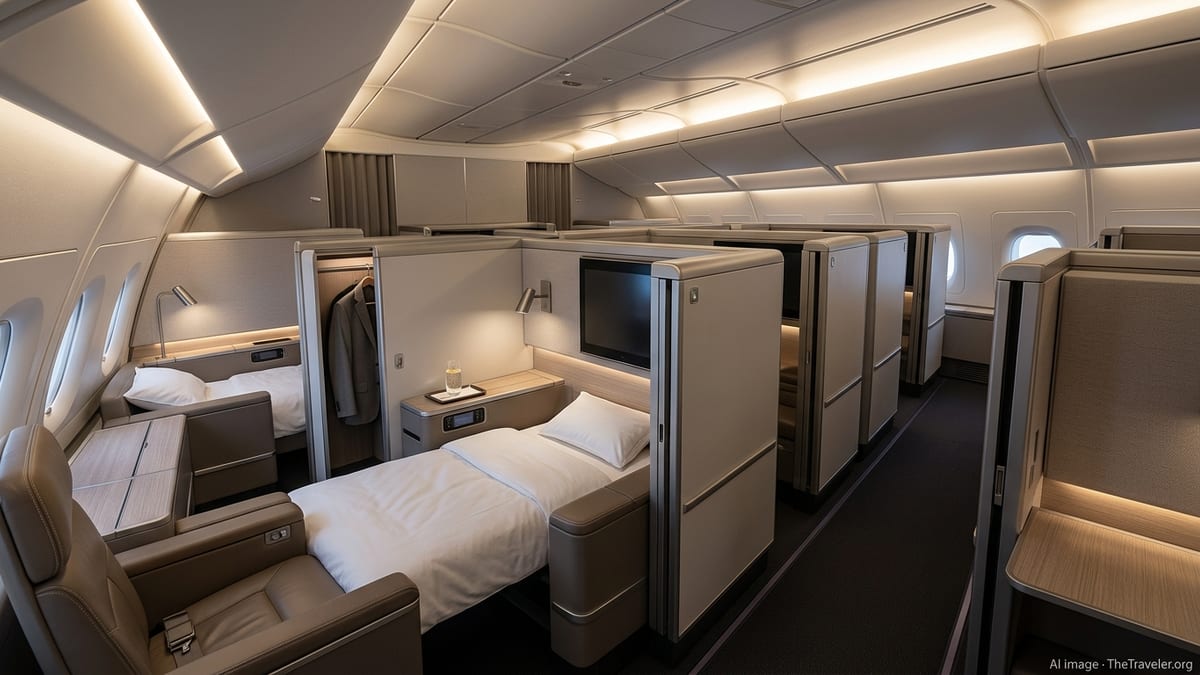
From Bare-Bones To More Comfort Up Front
Recent corporate filings and airline materials indicate that Frontier intends to introduce a dedicated First Class product, sometimes described as “First Seats,” across parts of its fleet by the end of 2026. The move would mark a notable departure for a carrier long associated with tightly packed cabins and a pay-for-every-extra approach.
Information on the airline’s customer pages suggests that the forthcoming First Class section will be located in the forward rows of the aircraft and marketed as a step above the existing UpFront Plus seating, which already provides extra legroom and a blocked middle seat. The new cabin is expected to focus on added personal space and comfort while maintaining pricing below that of many traditional network competitors.
The First Class rollout follows a broader refresh of Frontier’s product that began in 2024, when the carrier introduced new fare “bundles” designed for business, leisure and value-focused travelers. Those bundles incorporate premium seat assignments and priority boarding, effectively laying the groundwork for an expanded hierarchy of seating choices that will soon include a separate front-cabin experience.
Industry analysts note that this type of tiered seating has become increasingly common among ultra-low-cost airlines, which are under pressure to generate more revenue per passenger while still advertising low base fares. By carving out a high-yield front cabin, Frontier is positioning itself to appeal to travelers who want additional comfort without entirely abandoning low-cost pricing.
Seat Selection, Families And A More Structured Cabin
The planned First Class section is part of a broader reconfiguration of how seats are sold and assigned across Frontier’s network. Current customer guidance shows that travelers can select from several seating categories, including standard seats, extra-legroom options and UpFront Plus. Those who do not pay to choose are assigned remaining seats automatically at check-in, reinforcing the airline’s pay-to-customize model.
At the same time, publicly posted policies indicate that Frontier now guarantees that children aged 13 and under will be seated next to an accompanying adult on the same reservation at no additional charge, provided certain booking conditions are met. The commitment, which must be fulfilled no later than the day before departure, reflects growing regulatory and consumer pressure on airlines to keep families together without requiring extra fees.
As new First Class rows are added, Frontier is expected to refine how different seat types are allocated, priced and protected. Premium zones at the front of the aircraft will likely receive higher priority in the boarding order and be marketed as part of business- and comfort-focused fare bundles. Standard economy rows will continue to anchor the low advertised fares that have defined the brand, with optional upgrades offered throughout the booking and check-in process.
For passengers, the result is a more stratified cabin: travelers willing to pay for more space and convenience will have clearer options, while those prioritizing the lowest price will still find basic seats, albeit with fewer included extras. The changes also give Frontier additional levers to manage demand and revenue on busy routes, where front-cabin upgrades can sell at a premium.
New Boarding Process And The Push For Efficiency
The First Class initiative coincides with a separate effort to streamline boarding, described in airline announcements as a new group-based system aimed at speeding up aircraft turn times. Under the updated procedure, boarding is organized by a series of numbered groups that correspond to fare type, loyalty status and seat location, with premium and front-cabin passengers generally called earlier.
Frontier presents the revised process as a way to reduce congestion in the jet bridge and aisles, particularly as more travelers purchase carry-on bags that require overhead bin space. Group assignments are printed directly on boarding passes, and guidance on the airline’s website encourages customers to be ready at the gate when their group is called to keep departures on schedule.
Operational efficiency is a critical part of Frontier’s strategy. Faster boarding and deplaning can allow aircraft to complete more flights per day, which is essential for an ultra-low-cost model built on high utilization of each jet. The introduction of First Class seating is being layered onto this framework, with the airline aiming to preserve quick turns even as the onboard product becomes more segmented.
Observers point out that Frontier’s shift mirrors broader industry trends, where carriers increasingly rely on sophisticated boarding procedures and cabin zoning to maximize both revenue and punctuality. For passengers, the result is a more structured experience at the gate, with clearer distinctions between fare types and boarding priorities.
Onboard Wi‑Fi And A More Connected Cabin
Alongside interior changes, Frontier has signaled plans to introduce onboard Wi‑Fi across its fleet by the end of 2027, according to investor disclosures and planning documents. The move would bring the carrier in line with competitors that already offer connectivity as a standard amenity, and it reflects rising expectations among travelers who increasingly view internet access as essential rather than optional.
Details about pricing and speed have not yet been fully outlined in public materials, but industry watchers expect the service to follow a tiered approach, with options ranging from basic messaging to higher-bandwidth access suitable for streaming or remote work. Given Frontier’s low-cost positioning, many analysts anticipate that connectivity will be sold à la carte or bundled into upper-tier fare products, rather than included in the base ticket.
The introduction of Wi‑Fi will require aircraft modifications and coordination with satellite or air-to-ground providers, a process that typically takes several years to complete across a large fleet. Frontier’s timeline extending into 2027 suggests a phased installation, with certain aircraft types or high-demand routes likely to receive the service first.
For business travelers and frequent flyers, the combination of a defined First Class cabin and reliable connectivity could make Frontier more competitive on routes where time-sensitive work and productivity are priorities. For the airline, ancillary revenue from Wi‑Fi sales adds another stream to supplement income from seats, bags and other optional services.
What Travelers Can Expect In The Coming Years
With multiple initiatives unfolding at once, Frontier passengers are likely to see a series of incremental changes rather than an overnight transformation. Early signs of the shift are already visible in the form of enhanced UpFront Plus seating, refined fare bundles and updated boarding groups, while First Class cabins and Wi‑Fi are expected to appear gradually as aircraft are refitted.
Travelers booking for late 2026 and beyond may find new seat maps showing a more distinct front cabin, along with clearer explanations of what each fare type includes in terms of space, baggage, boarding and flexibility. Families traveling with children should see increased emphasis on guaranteed adjacent seating, although seat assignments may continue to finalize closer to departure for those who do not pay to select specific locations.
For now, published information suggests that Frontier’s core promise of low base fares will remain in place, with the airline betting that a more layered product will attract a wider range of customers without alienating its price-sensitive base. How passengers respond to the new First Class option, and whether the added comfort justifies the extra cost in their eyes, will be closely watched across the industry.
As the rollout progresses over the next several years, travelers comparing options on busy domestic routes are likely to encounter a Frontier that looks and feels more complex than in the past, with sharper contrasts between basic and premium experiences. The airline’s planned major change for passengers is therefore not a single policy shift, but an evolving package of upgrades that could redefine what ultra-low-cost flying looks like in the United States.