


More news on this day
Romania’s Ministry of Foreign Affairs (MAE) has issued an alert for citizens traveling to Thailand, citing ongoing severe flooding in Bangkok and multiple other regions, as heavy monsoon rains continue and further downpours are forecast in the coming days.
Get the latest news straight to your inbox!
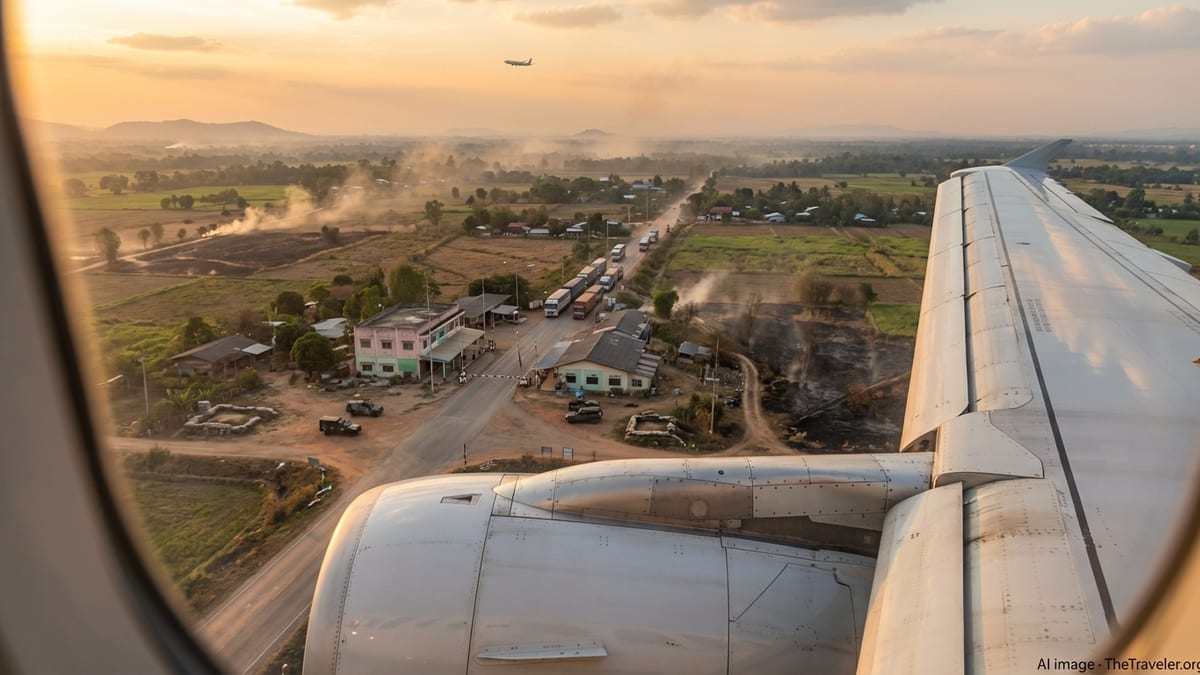
MAE travel alert focuses on Bangkok and key Thai regions
According to publicly available information released on October 5, 2026, MAE is drawing attention to persistent flooding in the Thai capital and several provinces, warning that water levels remain high in many areas and that the situation is expected to continue in the short term.
The advisory notes that heavy rainfall over recent weeks has led to widespread inundations, with street-level flooding in parts of Bangkok and neighboring provinces. Romanian citizens currently in Thailand, in transit, or planning to travel are urged to closely monitor local updates and to remain vigilant, particularly in low-lying districts and areas near waterways.
MAE’s notice highlights that emergency mechanisms remain active in Thailand, after national disaster agencies reported millions of residents affected in at least 27 to 30 provinces, including Bangkok. Public information from Thai disaster management bodies shows that extensive flooding has been recorded across the central, eastern and northeastern regions, with some communities still facing standing water and disrupted services.
The Romanian alert also underlines that conditions may vary considerably from one district to another. While some neighborhoods in Bangkok’s core tourism and business areas are functioning relatively normally, others on the city’s outskirts and along canals continue to experience significant flooding and transport constraints.
Heavy monsoon rains forecast to persist into mid-October
Thai meteorological bulletins indicate that the current episode of severe weather is linked to interacting pressure systems over mainland Southeast Asia and the Andaman Sea, which are sustaining intense monsoon rains over large parts of the country. Advisories issued in early October forecast heavy to very heavy rainfall across the North, Central region, Bangkok and surrounding provinces, the East and parts of the South between October 4 and 7.
Weekly summaries and special warnings from the Thai Meteorological Department show that between September 25 and October 1, 2026, central and eastern Thailand, including Bangkok and nearby provinces, experienced repeated heavy downpours that triggered flash floods and urban inundation. The agency now warns that further rounds of storms are likely between October 9 and 13, with renewed flood risks particularly in already saturated catchments.
Government situation updates compiled by Thailand’s Joint Information and Communication Center describe improving conditions in some localities but stress that flood hazards persist in others, as drainage systems remain under pressure and river levels are slow to recede. The mix of receding waters in one province and fresh flooding in another is contributing to an uneven and still-evolving risk picture for domestic and international travelers.
Climate and economic analysis published in recent months has repeatedly pointed to Thailand’s heightened vulnerability to extreme rainfall events, especially during strong El Niño and La Niña cycles. The current monsoon season is following a pattern in which short bursts of very intense rain cause rapid-onset floods, particularly in low-lying urban zones such as parts of Bangkok’s eastern and northern districts.
Impact on transport, tourism and day-to-day mobility
Published coverage from Thai and international media indicates that Bangkok and several provinces have declared disaster-affected zones after torrential rain left some streets under 20 to 50 centimeters of water. Images and reports show vehicles partially submerged on key arterial roads, localized power cuts in hard-hit neighborhoods and temporary closures of schools and small businesses in flood-prone districts.
Despite this, major transport hubs remain operational. Both of Bangkok’s main airports, Suvarnabhumi and Don Mueang, continue to handle flights, and airlines are generally maintaining schedules while advising passengers to allow extra time to reach the terminals due to traffic delays and occasional road closures. Some carriers serving Thailand have introduced temporary flexible policies permitting one-time free itinerary changes or credits for travelers whose plans are directly affected by flood-related disruptions.
Traffic and travel information shared through local platforms shows uneven conditions on the ground. Elevated rail services and covered walkways in central Bangkok are supporting movement within the city’s main commercial zones, while certain low-lying suburbs and riverfront areas continue to experience slower drainage and periodic street flooding. Publicly available sensor and camera networks monitored by local agencies point to rapidly changing conditions from one day, and even one hour, to the next.
The hotel sector in Bangkok is reporting a measurable but contained impact. The Thai Hotels Association recently indicated that September to October occupancy in the capital could fall by less than 10 percent compared with the previous year, as some international visitors postpone or adjust their stays. Industry representatives emphasize that most hotels in central districts have avoided direct flood damage, though access routes in certain neighborhoods have been temporarily compromised during peak downpours.
Guidance for Romanian travelers planning or continuing trips
In its alert, MAE encourages Romanian citizens to inform themselves thoroughly before departure and throughout their stay in Thailand. Travelers are advised to follow the evolution of the weather and flood situation via official Thai meteorological and disaster management channels, alongside travel advisories issued by European and other international governments.
Public information from foreign ministries and consular services in Europe notes that, although Thailand remains open to tourism, visitors should be prepared for localized disruptions. Recommendations include checking the status of domestic flights, trains and intercity buses, confirming hotel accessibility and avoiding non-essential travel into areas where local authorities have announced evacuation orders or where images show significant standing water.
Travel insurers and consumer organizations referenced in recent media coverage also stress the importance of reviewing policy terms relating to natural disasters. Some policies may allow itinerary changes or reimbursements when flights are canceled or accommodation becomes unusable due to flooding, while others may exclude weather-related disruptions unless specific coverage has been purchased.
Romanian travelers already in Thailand are encouraged by MAE’s public communication to maintain regular contact with family or friends at home, share updated itineraries and keep travel documents, cash and essential medicines in waterproof bags that remain accessible if evacuation or rapid relocation becomes necessary. Those facing acute difficulties are directed in the advisory to available consular support channels.
Regional picture: affected provinces beyond the capital
Reports from Thailand’s Department of Disaster Prevention and Mitigation describe a broad geographical footprint for the current floods, affecting millions of people across more than two dozen provinces in the North, Northeast, Central and East, as well as parts of the upper South. Provinces repeatedly mentioned in official tallies include those along major river systems and in low-lying plains, where runoff from upstream rainfall has combined with local downpours.
Media and government summaries note that in many northern and northeastern provinces, floodwaters have begun to recede, allowing cleanup and early recovery to start. By contrast, some central and eastern provinces closer to the Gulf of Thailand are continuing to experience elevated water levels, particularly along rivers and canals where drainage into the sea remains slow.
Road and rail corridors connecting Bangkok with key tourism regions have been intermittently affected. Publicly available transport information shows that while main highways and intercity rail lines are largely passable, travelers may encounter detours, slower speeds or temporary suspensions on certain secondary routes where embankments or bridges are under strain. Local ferry services and river transport in some affected districts have also been reduced or suspended during periods of strong currents and high water.
European travel advisories covering Thailand at the start of October highlight this patchwork situation, noting that conditions can differ sharply between major tourist centers and surrounding rural areas. Visitors considering side trips from Bangkok to nearby destinations are encouraged to verify local conditions shortly before travel and to be ready to reschedule excursions if new weather warnings or flood bulletins are issued.