


More news on this day
Major transatlantic airlines are quietly rewriting the rules of flying, softening penalties and reshaping fees in a bid to keep passengers booking as war-linked fuel prices squeeze the global aviation industry.
Get the latest news straight to your inbox!
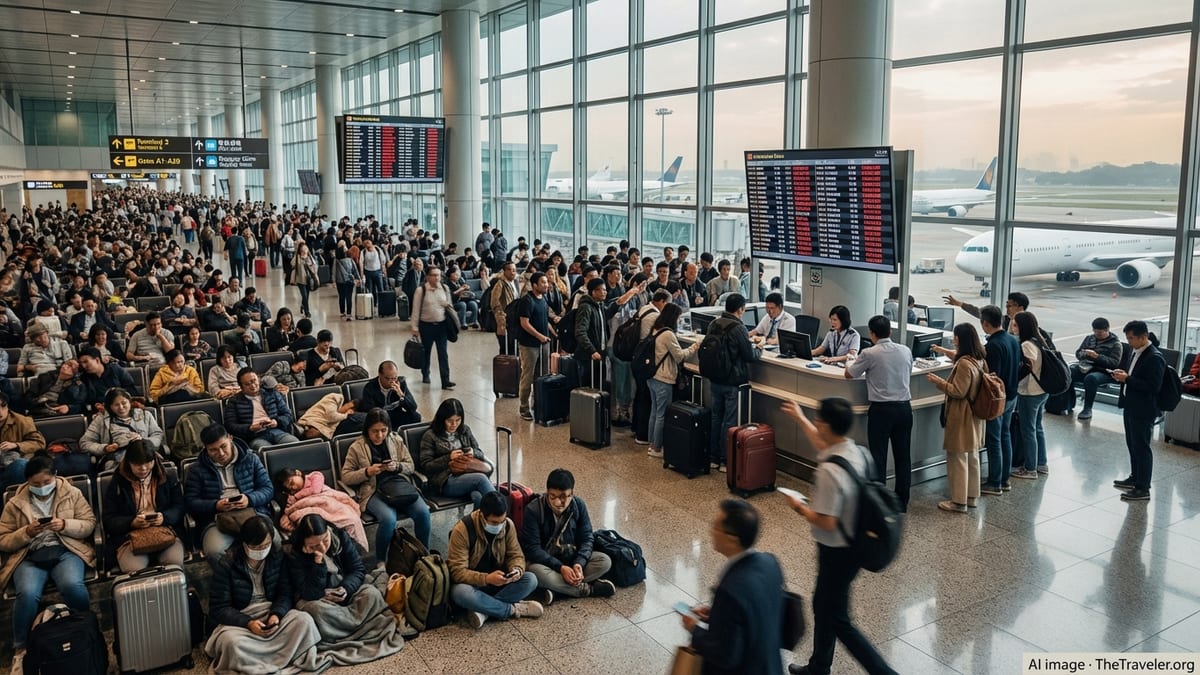
Fuel Shock Collides With a New Era of Flexibility
Jet fuel prices have surged in recent weeks as the conflict involving the United States, Iran and Israel disrupts supply routes and heightens volatility in global energy markets. Industry and economic analyses indicate that aviation fuel costs have more than doubled for many carriers since early spring, turning fuel once again into the single most unpredictable line item on airline balance sheets.
Reports from policy institutes and market researchers describe the situation as the most serious fuel shock for aviation since the pandemic era, with U.S. and European jet fuel benchmarks jumping from roughly 100 dollars a barrel to well above 160 dollars in a matter of weeks. The spike is tied to renewed security risks around key shipping lanes, particularly near the Strait of Hormuz, and to precautionary stockpiling by refiners and airlines.
Conventional airline playbooks would suggest steep fare increases and stricter change conditions as operators race to protect margins. Instead, on both sides of the Atlantic, large network carriers are moving in the opposite direction on customer-facing rules, keeping core fares competitive and preserving the flexible conditions that many travelers have grown accustomed to since the Covid‑19 crisis.
This tension between rising costs and softer rules is reshaping how seats are priced and what happens when plans change. Rather than headline-grabbing base fare hikes, airlines are making targeted adjustments to refund fees, add‑ons and corporate contracts, while using loyalty programs and dynamic pricing to reward frequent flyers with comparatively cheap tickets on selected routes.
Lufthansa and European Partners Tweak Rebooking Rules
Lufthansa and its sister airlines in the Lufthansa Group have progressively adjusted rebooking conditions since 2023, particularly on European and corporate fares. Publicly available policy updates show that standard change fees for many fare categories have been aligned between corporate and published fares, with certain business-focused products benefiting from reduced penalties when itineraries are modified.
Information circulated to travel managers and posted in recent guidance documents indicates that some of Lufthansa’s higher-value fare families now allow itinerary changes with no dedicated change penalty, leaving travelers to pay only the fare difference when moving to a more expensive flight. At the same time, lower-cost economy products continue to carry change charges or more restrictive conditions, preserving a clear gap in flexibility between basic and premium options.
Separate travel-industry summaries point to additional tweaks in early 2026 that clarify how involuntary changes such as schedule disruptions are handled, typically waiving rebooking fees when the airline initiates a change. Customer reports and advisory PDFs shared through corporate channels describe the 2026 policy as aiming to simplify the process for shifting travel dates, even as the fine print still distinguishes sharply between fully flexible and limited‑change tickets.
For passengers, the effect is a more layered menu of choices: lower headline prices remain available for those willing to accept restrictions, while mid‑range and flexible fares often advertise reduced or removed change penalties. That structure allows Lufthansa and its partners to present attractive entry-level prices in a fuel crisis, while nudging risk‑averse travelers toward more profitable, flexible products.
Air France-KLM, British Airways and the Fine Print of Flex Fares
In France and the Netherlands, Air France-KLM has been overhauling its flex fare structures. According to recent fare bulletins and specialist travel coverage, the group this spring introduced substantial cancellation fees on previously fully refundable Flex tickets, ranging from several hundred euros in economy to higher amounts in premium cabins. The move effectively ends the era of unconditional, fee‑free refunds that was reinforced during the pandemic years.
At the same time, Air France-KLM continues to market options such as “Change&Fly,” which allow passengers to adjust travel dates subject to availability and fare differences. Policy documents explain that when the original booking class is no longer available, travelers pay the gap between the old and new fare rather than a standalone penalty, providing a degree of predictability for those willing to pay more upfront.
In the United Kingdom, British Airways has retained a tiered approach in which the strictest economy products are heavily restricted, while semi‑flexible and fully flexible tickets carry more generous rebooking and refund rights. Analysts note that in the current fuel environment, British Airways is using advance-purchase discounts and targeted sales to keep its transatlantic fares competitive, particularly from London to U.S. hubs, even as business‑class and last‑minute economy prices have crept higher.
Across these European giants, the common thread is complexity. Published fare rules increasingly separate voluntary changes, which may trigger fees or fare differences, from involuntary schedule alterations, where passenger‑friendly waivers are more common. For frequent flyers and corporate travelers, this layered system can still translate into cheaper effective prices, as negotiated deals and loyalty status often reduce or eliminate service charges that apply to the general public.
United, Delta and U.S. Carriers Double Down on “No Change Fee” Pledges
In the United States, the biggest network carriers are standing by a headline promise that would have seemed unlikely before the pandemic: no change fees on most standard economy and premium cabin tickets for travel within the U.S. and on many long‑haul routes. United Airlines and Delta Air Lines, followed by American Airlines, removed these charges on the majority of their fare types in 2020 and 2021 and, despite the current fuel squeeze, have not reversed course.
Current policy pages show that while the old fixed change penalties have largely disappeared for standard tickets, passengers must still pay any fare difference when switching to a more expensive flight. The only major holdout remains the most restrictive “basic economy” products, which still come with limited or no changes on many routes, effectively preserving a budget corner of the market with fewer rights.
Industry observers say this shift has fundamentally changed traveler behavior. Instead of delaying purchases out of fear of expensive penalties, many U.S. passengers now secure tickets earlier, relying on flexible rebooking rules if prices drop or plans evolve. That in turn gives airlines better forward visibility on demand, a valuable advantage when fuel inputs are fluctuating rapidly due to geopolitical shocks.
For transatlantic flyers, the alignment between U.S. and European partners through joint ventures means that a ticket bought on United or Delta and operated by Lufthansa, Air France-KLM or another partner is increasingly sold with harmonized conditions. In practice, that can mean U.S.-style flexibility on itineraries touching Europe, although detailed fare rules still vary by booking class and sales channel.
Cheap Seats, Loyal Customers and the Battle for Transatlantic Traffic
Behind the evolving fee structures lies a broader strategic contest for high‑yield passengers on North Atlantic routes. As fuel costs soar, airlines are leaning on loyalty schemes, corporate contracts and algorithmic pricing to keep cabins full while preserving margins.
Travel management companies and frequent‑flyer forums report that elite members are still finding comparatively low fares on key business routes when booking in advance or during targeted sales, even as spot prices for casual travelers have risen. Mileage promotions, discounted upgrade offers and bundled products that include priority services and extra flexibility are being used to lock in repeat customers who are sensitive to both price and predictability.
At the same time, carriers are quietly rebalancing where increases fall. Ancillary charges for services such as preferred seating, extra bags and same‑day confirmed changes have seen incremental rises, while service fees applied by offline travel agents for changes and refunds have become more visible in Europe. Publicly available fee tables from groups such as Air France-KLM highlight the distinction between online self‑service changes, which often avoid extra charges, and transactions handled through call centers or third‑party agents, where additional costs are more common.
For travelers, the net result is a paradox. On one hand, geopolitical conflict and soaring fuel prices are pushing up the underlying cost of flying. On the other, a post‑pandemic shift toward flexibility and loyalty-driven pricing means many passengers, especially frequent flyers, can still secure relatively cheap and adaptable tickets by choosing the right fare family, booking channel and travel dates. The way people fly between Europe and North America is changing not just at the gate, but deep in the fine print of their tickets.