


More news on this day
Passengers across Europe are facing widespread travel disruption after more than 1,400 flights were delayed and at least 61 were cancelled, with Spain, Belgium, Italy and the United Kingdom among the hardest hit and services operated by easyJet, British Airways, Eurowings and other major carriers affected.
Get the latest news straight to your inbox!
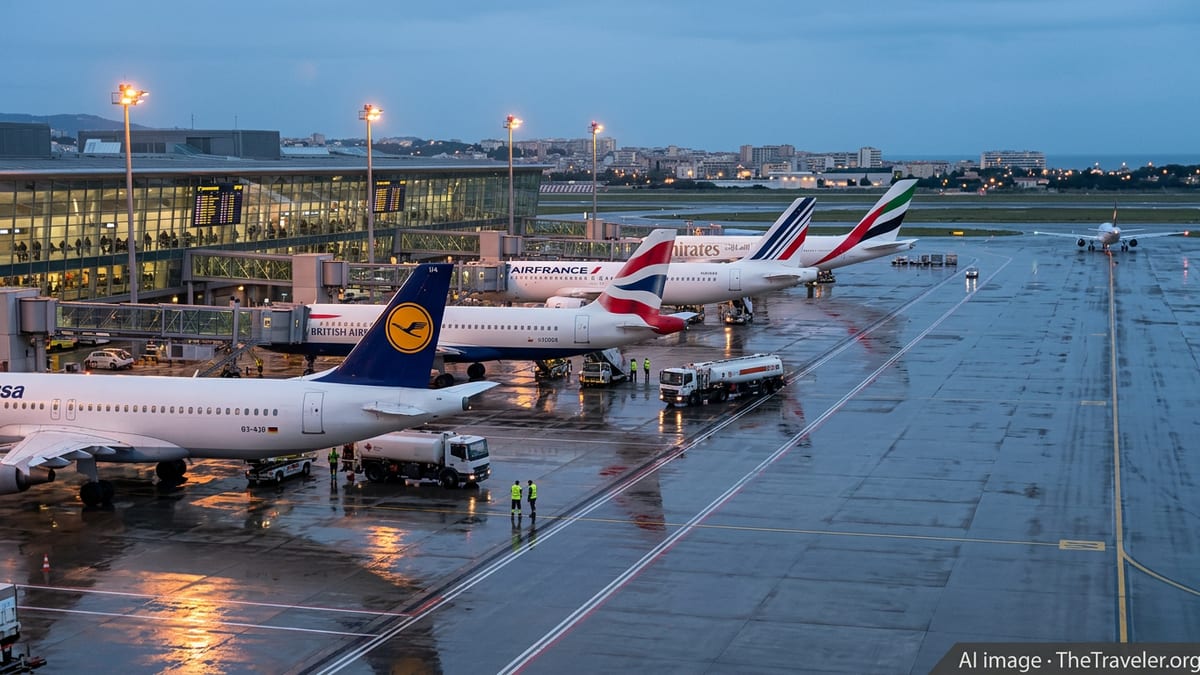
Delays and Cancellations Ripple Across Key European Hubs
Publicly available aviation data and travel-industry monitoring indicate that a fresh wave of disruption has swept across European skies, with a total of 1,405 flights delayed and 61 cancelled in a single 24 hour period. The impact has been concentrated on major hubs including Madrid Barajas, London Heathrow and London Gatwick, but knock on effects have been reported at airports across Spain, Belgium, Italy and neighboring countries.
Low cost and full service airlines alike have been caught up in the turbulence. easyJet and Eurowings, which depend heavily on dense short haul networks, have reported clusters of delays as aircraft and crews fell out of position. British Airways has registered additional cancellations and late running services on top of its previously slimmed down schedule, compounding an already challenging spring for travelers.
Operational data shows that the latest disruption comes on top of an already elevated baseline of delays in early 2026, with some airports seeing significantly higher lateness and cancellation rates compared with the same period a year earlier. The result for passengers on busy intra European routes has been longer queues, missed connections and a surge in rebooking requests at airline desks and via apps.
Belgian National Strike Triggers Wider Network Fallout
In Belgium, a national strike on 12 May has acted as a major trigger for the latest round of travel chaos. Published coverage from Belgian and Dutch outlets reports that Brussels Airport cancelled all departing flights and around half of arrivals for the day, affecting tens of thousands of passengers and forcing carriers to rapidly reshape their operations.
The disruption did not stop at Belgium’s borders. At least 15 flights were diverted to Maastricht Aachen Airport in the neighboring Netherlands, as airlines sought alternate gateways to keep aircraft and passengers moving. Additional knock on effects were recorded at regional airports such as Charleroi, where low cost services feeding Spain and Italy were curtailed, and at secondary destinations that rely on Brussels as a transfer point.
Spain also felt the impact of the Belgian walkout. Reports from regional Spanish media show that services between Charleroi and airports such as Santander were cancelled, leaving holidaymakers and business travelers alike scrambling for alternative routings. With many of these routes operated by budget carriers on tight schedules, a single cancellation often removed the only direct option for the day.
Italy’s Recent Strikes Add Strain to Southern Europe Networks
The latest Belgian strike comes on the heels of significant industrial action in Italy, which has already strained European aviation networks this spring. Italian aviation and air traffic control unions staged a coordinated national strike on 11 May, leading to the cancellation of a substantial share of domestic and international services and widespread delays at airports including Rome and Milan.
Travel advisories published by visa and travel services describe how the Italian walkout grounded a large proportion of scheduled flights and forced carriers such as ITA Airways and foreign airlines to thin their timetables. This created a backlog of displaced passengers seeking seats on subsequent days and left airlines with reduced flexibility when fresh disruption emerged elsewhere in Europe.
Earlier in March, Italy had already experienced a separate day of widespread flight delays and cancellations, highlighting the fragility of the current operating environment. When industrial action, constrained air traffic capacity and strong seasonal demand coincide, hub airports in Spain and Italy quickly feel the pressure, particularly on routes linking to London, Brussels and other northern capitals.
Major Carriers easyJet, British Airways and Eurowings Under Pressure
As the latest disruption unfolded, key European airlines once again found themselves at the center of passenger frustration. Monitoring platforms tracking flight status in real time list multiple easyJet services from London airports as heavily delayed or cancelled, including flights to popular leisure destinations such as Porto and cities across Spain and Italy.
British Airways, which had already reduced parts of its 2026 schedule and suspended some routes to the Middle East, has seen further schedule stress on European sectors. Publicly available route and timetable summaries show that the carrier has trimmed several secondary European links from London, while still contending with weather, air traffic and knock on disruption on core routes to hubs such as Madrid and Rome.
Eurowings, the low cost arm of the Lufthansa Group, is similarly exposed. Its network is heavily focused on intra European flying from German bases to Spain, Italy and other Mediterranean destinations. With German airports ranking among Europe’s more disrupted hubs in recent cancellation statistics and Belgium’s strike limiting flows through Brussels, the carrier has had to manage repeated schedule adjustments, leaving some travelers facing last minute changes.
What Stranded Travelers Can Expect Under EU and UK Rules
The patchwork of delays and cancellations across Spain, Belgium, Italy and the UK has prompted renewed attention to passenger rights in Europe. Under European Union Regulation 261/2004 and its post Brexit UK counterpart, travelers on eligible flights may be entitled to rebooking, refunds and, in certain circumstances, financial compensation when their services are severely delayed or cancelled.
Consumer guidance from travel rights organizations notes that the exact entitlement depends on factors such as the length of the delay, distance of the flight, cause of the disruption and whether the departure or carrier falls under EU or UK jurisdiction. While air traffic control strikes and some security issues can be treated as extraordinary circumstances that limit compensation, airlines are generally still required to provide care in the form of meals, refreshments and accommodation when passengers are stranded.
Given the scale of the latest disruption, industry advisories strongly encourage affected passengers to monitor airline apps and airport flight information screens closely, keep boarding passes and booking confirmations, and document expenses incurred during long waits. With peak summer travel season approaching and labor disputes and capacity constraints still unresolved in parts of Europe, carriers and travelers alike may need to brace for further episodes of travel chaos in the weeks ahead.