


More news on this day
Travelers at Zurich Airport faced a difficult start to the day as operational disruption led to 216 delayed flights and four cancellations, affecting a wide range of European and long haul services operated by SWISS, Lufthansa, British Airways, Emirates, United Airlines and several other carriers.
Get the latest news straight to your inbox!
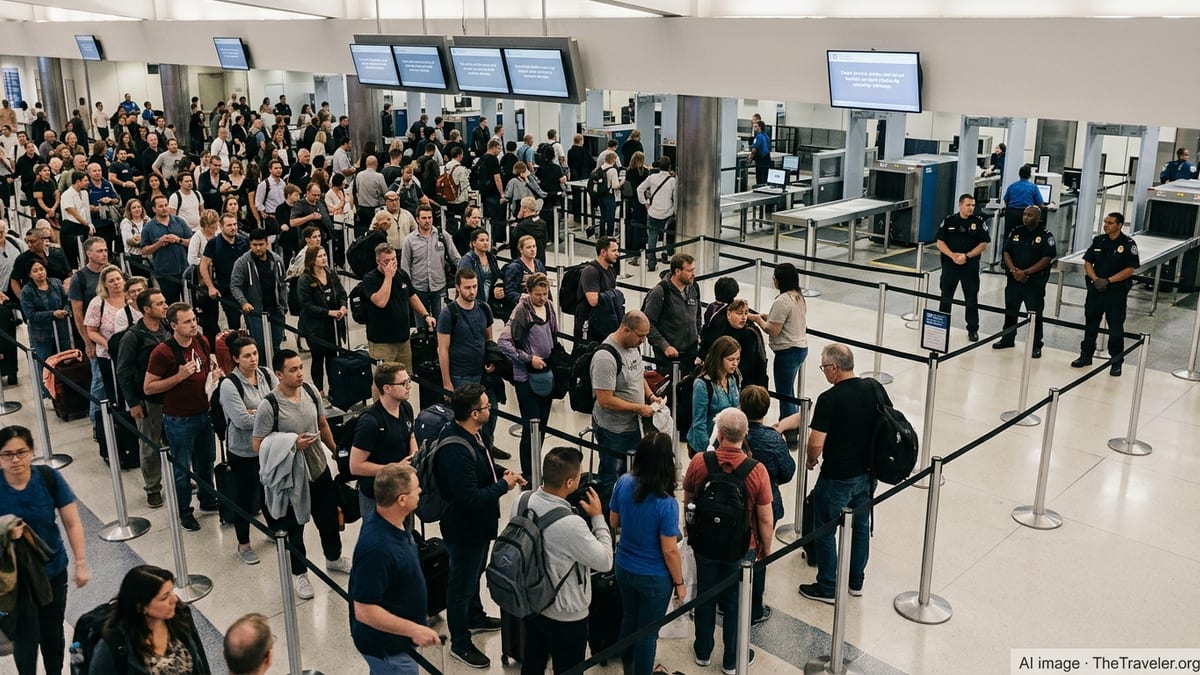
Widespread Disruption Across Zurich’s Busy Hub
Zurich Airport, one of Europe’s key transfer hubs, experienced an unusually high level of disruption as delays rippled through its schedule and a small number of flights were cancelled. Publicly available tracking data and airport performance dashboards indicate that more than two hundred departures and arrivals were delayed over the course of the operating day, far above the airport’s recent averages.
The disruption affected both departures and arrivals, with knock on effects for connecting traffic. Zurich normally records only modest daily delay figures, but recent traffic statistics and European network monitoring reports have pointed to growing pressure on punctuality at major hubs, including Zurich, as summer schedules ramp up and capacity is tested.
The latest incident added further strain to an already busy period, with passengers on early morning and late evening services reporting extended waits, revised boarding times and a higher than usual volume of last minute gate changes.
Flag Carriers and Long Haul Routes Hit
The pattern of delays was not concentrated on a single airline. Flights operated by SWISS, which uses Zurich as its primary hub, were particularly visible in the disruption, but services marketed or operated by Lufthansa, British Airways, Emirates, United Airlines and partner carriers also experienced knock on timing issues.
According to live schedule boards and independent flight tracking platforms, delays were recorded on short haul European routes linking Zurich with London, Frankfurt and other German cities, as well as on long haul departures to destinations such as New York and Dubai. Some services departed significantly later than scheduled, while others arrived late into Zurich, compressing turnaround times and contributing to further reactionary delays.
Codeshare arrangements meant that a single delayed aircraft often affected several airlines at once, with passengers booked under different flight numbers but sharing the same aircraft. This was particularly evident on transatlantic and Middle Eastern routes, where alliances and joint ventures are common.
Only a Small Number of Cancellations, but Big Impacts
Despite the high number of delayed flights, only four services were reported cancelled over the course of the disruption window. However, even a limited number of cancellations can create significant challenges for passengers, especially at a hub airport where many travelers are relying on tight connections to reach onward destinations.
For affected travelers, cancellations triggered rebooking queues at service desks and call centers, with some passengers rerouted via alternative European hubs such as Frankfurt or London, while others were moved to later services from Zurich. Travel forums and social media posts from recent weeks show that similar events at the airport have led to overnight stays and complex rebooking scenarios when long haul connections are missed.
While Zurich’s published performance statistics suggest that cancellations remain relatively rare compared with total daily movements, today’s pattern underlined how quickly small disruptions can escalate when aircraft, crew and gate resources are tightly scheduled.
Operational and Weather Pressures Behind Delays
European aviation reports for recent months have highlighted a combination of factors contributing to delays across the continent, including capacity constraints, local weather, air traffic control flow restrictions and reactionary knock on effects from earlier disruptions. Zurich has been cited among the airports experiencing rising average delay minutes as traffic volumes grow in the run up to the peak summer season.
On the day of the disruption, publicly accessible meteorological data showed periods of unsettled weather over parts of central Europe, alongside localized thunderstorms affecting air traffic flows on key routes. Even when conditions at Zurich itself remain flyable, weather along arrival and departure paths can require rerouting or temporary flow reductions, which in turn lengthen holding times and departure queues.
Industry analyses of previous events at Zurich also point to the role of reactionary delay, where one late inbound aircraft or crew can cascade across multiple subsequent rotations. With many carriers operating tight turnarounds, a relatively small initial delay can quickly spread across the schedule, particularly in the afternoon and evening peaks.
What Passengers Can Do During Disruptions
Travel guidance from consumer groups and airline support channels emphasizes that passengers facing delays at Zurich or any major hub should monitor their flight status regularly through airline apps and airport displays. In many cases, rebooking options or updated boarding times are pushed first through digital channels before being reflected on terminal screens.
For travelers with onward connections in London, Frankfurt, New York, Dubai or other hubs, experts recommend checking minimum connection times and, where necessary, speaking with airline staff as early as possible if a misconnection appears likely. Some carriers may be able to reroute passengers via alternative hubs or move them to later departures on the same route, depending on seat availability.
Passenger rights vary according to the airline, route and applicable legal framework, so travelers are often advised to keep boarding passes, booking confirmations and any written notice of delays or cancellations in case they choose to pursue reimbursement of additional costs or seek statutory compensation where relevant. Specialist agencies and national enforcement bodies publish up to date guidance for passengers navigating these procedures.
With peak summer travel underway and capacity near or at pre pandemic levels across Europe, analysts suggest that occasional days of heavy disruption are likely to persist. Zurich’s latest wave of delays illustrates how quickly a tightly wound system can be strained, and highlights the importance for travelers of allowing extra connection time and remaining flexible when itineraries pass through busy hub airports.