


More news on this day
Travelers at New York’s LaGuardia Airport are facing significant disruption as a wave of delays and cancellations hits flights to Montreal, Houston, Chicago, Nassau and several other destinations, with services operated by Delta Air Lines, Jazz Aviation, United Airlines and additional carriers among those affected, according to live tracking data and passenger reports.
Get the latest news straight to your inbox!
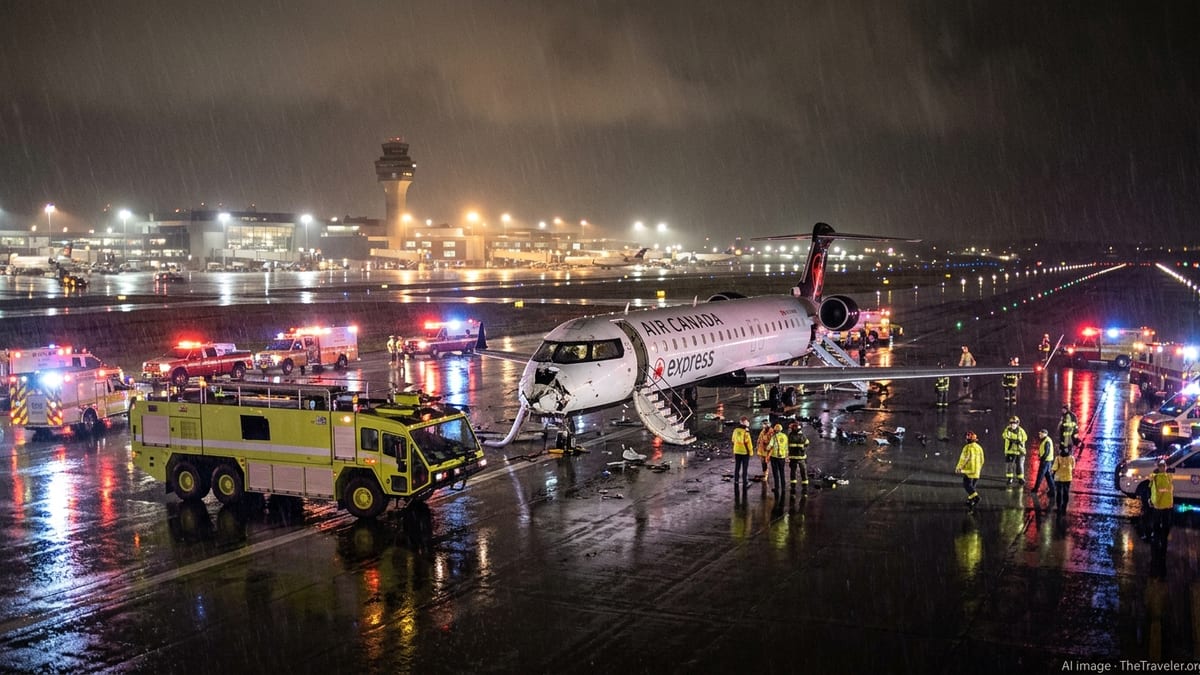
Ground Stop and Closure Ripple Through LaGuardia Operations
Publicly available information from aviation trackers and traveler forums indicates that operations at LaGuardia have been periodically constrained following a recent closure tied to a ground incident on March 23, 2026. On that date, a collision involving a Jazz Aviation-operated Air Canada flight and an airport vehicle led to an extended nighttime shutdown of the airfield, prompting widespread schedule adjustments, diversions and rolling disruptions in the weeks that followed.
Subsequent travel waivers issued for United Airlines customers referencing a “New York LaGuardia Airport Closure” window in late March highlight the scale of the operational impact. Passengers were allowed to rebook trips over several days without additional fees, underscoring how a single safety incident at LaGuardia’s intersecting short runways can cascade through airline networks serving the airport.
While the airport has since reopened, residual effects continue to be felt in the form of compressed schedules, repositioned aircraft and tight crew rotations, creating conditions where even moderate weather or air-traffic constraints can trigger fresh waves of disruption. This backdrop is shaping the current difficulties for travelers heading to key destinations such as Montreal, Houston, Chicago and Nassau.
LaGuardia’s status as a slot-constrained facility with heavy reliance on short- and medium-haul traffic also means there is limited slack in the system. When flights are delayed or grounded, there are fewer opportunities to retime services without affecting later departures, quickly turning localized disruption into a broader network issue for several airlines.
Flights to Montreal, Houston, Chicago and Nassau Face Knock-On Delays
Routes linking LaGuardia with major hubs including Montreal, Houston and Chicago, along with leisure destinations like Nassau, are particularly exposed to these pressures. Montreal flights operated under the Air Canada Jazz Aviation banner, for instance, form part of a tightly timed transborder schedule. Publicly available reports around the March ground collision involved an arriving Jazz-operated flight from Montreal, highlighting how quickly a single incident on this corridor can impact subsequent departures and arrivals.
Services between LaGuardia and Chicago-area airports, including Chicago O’Hare and Chicago Midway, are seeing additional headwinds from recent weather concerns in the Midwest. Regional coverage has pointed to thunderstorms and heavy rain triggering ground delays and dozens of cancellations in the Chicago area, conditions that can snarl flight banks and propagate delays back to New York when aircraft and crews fail to arrive on time for their next legs.
Connections to Houston are similarly vulnerable because they serve as key links into broader domestic and international networks. When LaGuardia departures to Houston are disrupted, passengers risk missing onward flights to destinations across the southern United States and Latin America, creating a larger pool of missed connections, rebookings and overnight stays that carriers must manage.
Flights to Nassau and other Caribbean points, often concentrated in specific departure windows, also suffer outsized impacts from schedule instability at LaGuardia. If an outbound is delayed beyond airport operating or curfew limits at the destination, it may be retimed or canceled entirely, stranding travelers at the origin and complicating aircraft positioning for the following day.
Multiple Airlines Caught in a Tight Operational Web
Delta Air Lines, which maintains a significant presence at LaGuardia, features prominently in current disruption patterns. Publicly available data, operational guides and passenger accounts describe Delta’s LaGuardia schedule as dense and highly banked, with frequent departures to business centers such as Chicago and Houston. This structure is efficient when operations run smoothly but leaves little margin when storms, air-traffic flow restrictions or ground incidents occur.
Jazz Aviation, operating regional services on behalf of Air Canada between LaGuardia and Montreal, has been directly linked to the March ground collision that contributed to the airport’s temporary closure. The need to inspect aircraft, assess runway and taxiway conditions and clear the scene led to a backlog of arrivals and departures, and the resulting schedule reshuffle continues to influence how transborder flights are timed and prioritized.
United Airlines, which also serves LaGuardia–Houston and LaGuardia–Chicago routes, has issued multiple travel waivers in recent months referencing LaGuardia-specific disruptions. These waivers allowed affected passengers to modify itineraries within set date ranges, a step that publicly available information suggests is typically reserved for events such as airport closures, severe weather or widespread operational challenges.
Other carriers with a notable LaGuardia footprint, including American Airlines and low-cost operators, are experiencing secondary effects as well. When one major airline adjusts its flight banks or swaps aircraft in response to an incident, gate availability, pushback times and departure sequences often shift for neighboring airlines, amplifying delays across the board even when those carriers are not directly involved in the original event.
Passengers Report Long Delays, Rolling Rebookings and Diversions
Recent passenger accounts shared on travel and aviation forums paint a picture of extended waits and rolling delay notifications at LaGuardia. Reports describe flights being pushed back in 60- to 90-minute increments over many hours, a pattern that leaves travelers uncertain whether to remain at the gate, seek alternative airports or attempt same-day rebooking.
Some travelers on inbound flights to LaGuardia have reported in-flight announcements diverting aircraft to other New York–area airports when weather or air-traffic control measures make continued operations at LaGuardia impossible. Diversions to John F. Kennedy International Airport, for example, have appeared in recent accounts, with passengers then routed by ground transport or later flights back to their original destination.
Others describe missed connections from LaGuardia to onward cities such as Houston and Chicago after initial delays caused them to arrive well after their next flights had departed. In many of these instances, travelers have turned to airline mobile apps, customer-service desks and social media channels to secure hotel vouchers, meal credits or standby listings for later services.
Across these reports, a common theme is uncertainty. With schedules still adjusting in the wake of the March closure and with summer weather adding another layer of unpredictability, travelers say they are finding it more difficult to rely on originally booked departure and arrival times, especially on popular routes to Montreal, Houston, Chicago and Nassau.
What Travelers Can Expect in the Coming Days
Aviation operations experts and consumer advocates routinely note that disruption patterns of this type rarely resolve immediately. Even after normal runway and gate operations resume, aircraft and crews can be out of position for several days, particularly when a hub or focus city like LaGuardia is involved. This dynamic suggests that passengers flying in the near term on affected routes should continue to anticipate potential delays or schedule changes.
Publicly available guidance from airlines serving LaGuardia indicates that travelers are being encouraged to monitor flight status frequently on official channels and to take advantage of rebooking options where available. Same-day confirmed changes, standby lists and waivers tied to specific date ranges are among the tools being used to manage the current disruption affecting Delta, Jazz Aviation, United Airlines and others.
Industry analyses point out that tight connections are especially risky during periods of irregular operations. Passengers connecting in Montreal, Houston, Chicago or Nassau from LaGuardia may want to consider longer layovers or alternate routings to reduce the likelihood of missed flights. In some cases, itineraries that avoid multiple congested hubs on the same day may prove more resilient.
With LaGuardia operating near capacity under normal conditions, any additional weather system or operational constraint in the coming days could prolong challenges for airlines and travelers alike. For now, live tracking data and passenger accounts suggest that those flying on the impacted routes should plan for extra time, stay flexible with their arrangements and prepare for the possibility of last-minute changes to their journeys.