


More news on this day
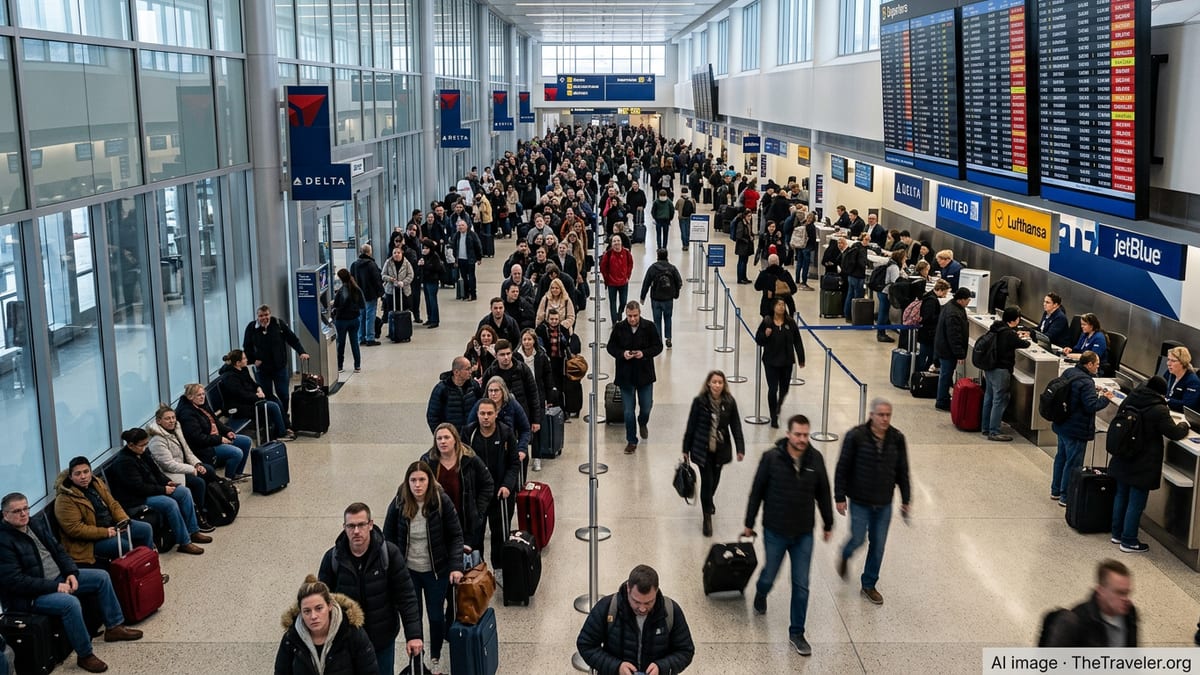
Hundreds of passengers at Charlotte Douglas International Airport faced extended waits, missed connections and unexpected overnight stays as a wave of cancellations and delays involving major U.S. carriers disrupted flights across North America and key transatlantic and leisure routes.
Get the latest news straight to your inbox!
Operational Turmoil Hits a Major East Coast Hub
Publicly available flight tracking boards for Charlotte Douglas on June 13 indicate a sharp spike in irregular operations, with more than 30 flights canceled and well over 250 departures and arrivals delayed. The disruptions span American Airlines and its regional partners PSA, Piedmont and Envoy, along with United, Delta, Southwest and several smaller operators. The pattern points to a broad operational squeeze at one of the nation’s most important connecting hubs at the height of the summer travel period.
Data from online trackers show an unusually high share of Charlotte departures posting late departure times, rolling delays or last-minute cancel messages. Some regional routes into smaller U.S. cities have been particularly affected, with recurring late operations and occasional scrubbed flights over the past several days. Connections through Charlotte to international gateways have also been impacted, leaving many travelers scrambling to rebook or reroute through alternative hubs.
Charlotte Douglas serves as a primary hub for American and a major station for its regional affiliates, which operate dense schedules to domestic and near-international destinations. When that network comes under strain, resulting knock-on effects can spill into other carriers that share airspace, gates and ground resources, amplifying delays across multiple airlines.
Domestic Network Ripple Effects Across the United States and Canada
Published flight histories for key Charlotte routes show that chronic delays on some American mainline and regional services had already been building in the days leading up to June 13, with average late departures sometimes exceeding an hour. That backdrop left the hub particularly vulnerable once fresh operational challenges emerged. As flights pushed back late from Charlotte, aircraft and crews arrived out of position at downline airports across the country.
Domestic spokes throughout the eastern and central United States, including medium-sized and regional airports, reported late inbound aircraft and a cascade of missed onward connections. In some instances, aircraft that should have operated evening departures out of Charlotte remained on the ground for extended periods, forcing carriers to consolidate or cancel flights. This limited options for travelers attempting to reach cities that rely heavily on Charlotte as their main connecting point.
Transborder services into Canada also felt the strain as delayed Charlotte departures created tight or missed connections for passengers traveling onward to Canadian hubs. Regional partners operating smaller jets were particularly exposed, as they have less spare capacity to absorb disruptions. When an aircraft goes out of rotation on these routes, replacement options are limited, increasing the likelihood of cancellations.
International Connections to Europe, Mexico and the Caribbean Affected
The wave of delays at Charlotte did not stop at U.S. borders. According to publicly available schedules and tracking feeds, connections from Charlotte to major European destinations such as Spain and popular leisure markets in Greece faced pressure as inbound feeder flights arrived late or not at all. Even when long-haul departures remained technically on schedule, passengers originating from smaller U.S. and Canadian cities struggled to reach the hub in time to make their connections.
Flights from Charlotte to Mexico and Caribbean nations were also impacted as rolling delays disrupted tightly timed turnarounds for aircraft assigned to sun destinations. Some services departed significantly behind schedule after ground handling teams worked through late-arriving inbound flights and congested ramp operations. In peak summer, when planes to beach destinations tend to be full, any lost seat due to misconnected passengers is difficult to re-accommodate on the same day.
For travelers whose long-planned vacations depended on same-day connections through Charlotte, the combination of delayed inbound regional flights and overburdened rebooking channels created a particularly stressful situation. While some passengers were able to shift to alternative routings on other U.S. hubs, many were left facing overnight stays or shortened holidays once new itineraries were finally arranged.
Multiple Carriers, Shared Pressures
Although American and its regional affiliates form the backbone of Charlotte’s operations, publicly accessible delay dashboards and real-time maps show that other airlines also contended with significant schedule disruptions. United, Delta and Southwest all registered late departures and arrivals at the airport, underscoring how shared airspace congestion, thunderstorms in the broader region and limited runway capacity can combine to affect multiple carriers at once.
Reports from the past week indicate that some carriers operating at Charlotte have already been juggling tight schedules, heavy load factors and challenging weather patterns typical of early summer in the southeastern United States. Under those conditions, even a relatively small number of initial delays can rapidly expand as aircraft cycle through multiple legs in a single day. When disruptions coincide at several major hubs, rerouting options for stranded travelers narrow further.
Regional partners such as PSA, Piedmont and Envoy face additional vulnerabilities due to their role feeding traffic into Charlotte from dozens of smaller airports. Any technology or staffing issue within those networks can quickly spill over into the mainline carriers they serve. Passengers booked on these regional jets often discover that a local delay has outsized consequences once a missed connection disrupts the rest of their travel day.
Passenger Experience: Long Lines, Missed Events and Uncertain Timelines
The practical impact of Saturday’s disruptions was most visible in the terminal, where travelers navigated crowded gate areas, long customer service queues and repeated gate-change announcements. With 33 cancellations and 284 delays linked to Charlotte’s operations, many passengers faced multiple schedule revisions, reissued boarding passes and last-minute hotel searches. For some, the disruption meant missed weddings, business meetings or once-in-a-year family gatherings.
Publicly available social media posts and travel forums on June 13 described extensive lines at rebooking counters and congested customer-service phone channels, as thousands of affected passengers across airlines sought new itineraries at the same time. Travelers reported relying heavily on mobile apps and online tools to monitor gate information, track standby lists and search for open seats on alternative routings through other hubs.
Airline policies on meal vouchers, hotel accommodations and rebooking eligibility vary depending on the cause of delays and cancellations, leaving some passengers uncertain about what support they could expect. Those with flexible tickets or elite status often found it easier to secure seats on remaining flights, while travelers on basic economy fares or award tickets sometimes faced more limited options.
Ongoing Disruptions Highlight Systemic Vulnerabilities
The latest wave of cancellations and delays at Charlotte underscores broader fragilities in the North American air travel system. Federal transportation data has documented elevated delay rates across several major U.S. airlines in recent years, reflecting a mix of weather-related disruptions, air traffic control constraints, tight staffing and aging technology in scheduling and crew-management systems. Charlotte’s status as a key connecting hub means any local disruption can reverberate far beyond North Carolina.
Industry analysts note that high summer demand leaves airlines operating close to capacity, with fewer spare aircraft and crews available to absorb unexpected shocks. Once irregular operations take hold at a hub like Charlotte, restoring normal service can stretch well beyond the initial day of disruption. Passengers may continue to experience rolling delays and residual schedule changes over subsequent days as carriers work to reposition aircraft and crews.
For travelers planning upcoming trips through Charlotte or other major hubs, publicly available guidance from aviation agencies and consumer advocates emphasizes simple but practical steps: allow longer connection times, monitor flight status frequently, and consider travel insurance or refundable fares for complex itineraries. As Saturday’s events demonstrated, a localized bout of operational turbulence can quickly expand into a multinational disruption affecting journeys across the United States, Canada, Europe, Mexico and the Caribbean.