


More news on this day
From Paris to New York and Tokyo to Sydney, the world’s biggest hub airports are reporting stronger earnings even as passenger growth moderates, a shift that is reshaping what travelers experience on the ground with higher reliance on shopping, parking and commercial income.
Get the latest news straight to your inbox!
Global hubs grow earnings faster than traffic
Recent financial disclosures from major hub operators show a clear pattern: earnings are rising faster than passenger numbers at airports such as Paris Charles de Gaulle, London Heathrow, Dubai International, New York JFK, Tokyo Haneda and Sydney. Publicly available figures for 2023 and 2024 indicate that these gateways have largely recovered or exceeded pre‑pandemic traffic, yet much of the incremental profit is now coming from non‑aeronautical revenue streams rather than simply flying more people.
At Paris Charles de Gaulle, operator Groupe ADP reported consolidated revenue growth of more than 17 percent in 2023 compared with 2022, supported by traffic recovery but also by higher commercial income per passenger, including duty free, food and beverage and other retail under its Extime brand. Subsequent reporting on 2024 performance highlights continued gains in spend per passenger at Paris airports even as traffic normalizes, reinforcing the strategic emphasis on commercial activities.
London Heathrow’s latest full‑year and interim numbers tell a similar story. Financial data for 2023 and the first half of 2024 show that overall revenue and profitability improved on the back of record or near‑record passenger volumes, but retail, parking and premium services outpaced aeronautical income growth. Industry analysis of Heathrow’s results notes double‑digit increases in retail revenue and a sharp rise in car park takings, even as income per passenger from some categories softened slightly.
Comparable dynamics are visible farther afield. Dubai International’s operator has outlined strong profit growth tied to retail concessions, property and services across the wider airport free zone. Sydney Airport’s latest disclosures point to rising earnings from car parking, ground transport and property leases alongside traditional aeronautical charges. Across these hubs, airlines such as Delta, Emirates, United, Lufthansa and ANA are moving record numbers of passengers through facilities that are increasingly designed to monetize every stage of the journey.
Retail and food outlets become profit engines
Non‑aeronautical revenue, particularly from retail and dining, has become a central pillar of airport economics. Academic research published in 2024 on airport commercial revenues notes that the share of income derived from shopping, food and beverage and other discretionary spending has been steadily climbing worldwide, reducing dependence on landing fees and passenger charges.
In Paris, Groupe ADP has been rolling out its Extime retail and hospitality concept across terminals at Charles de Gaulle and Orly. Company updates describe a focus on luxury boutiques, curated food halls and redesigned duty free areas intended to lift average spending per traveler. The strategy hinges on longer dwell times, clear wayfinding and digital tools to nudge passengers toward higher‑margin stores before boarding flights marketed by airlines including Delta, Emirates and ANA.
Heathrow has reported retail revenue in the hundreds of millions of pounds annually, with growth supported by an expanded mix of brands, refreshed terminal layouts and dedicated “personal shopping” style services. Trade coverage of Heathrow’s 2023 results highlights that retail revenue grew by more than 20 percent year on year, even as income per passenger eased slightly due to greater use of rail connections, which can reduce parking‑related spending.
In Dubai, duty free and luxury retail remain closely tied to the city’s positioning as a global transit hub anchored by Emirates. Published figures for Dubai’s wider aviation sector show retail and related services as a vital contributor to profitability, especially in long‑haul terminals that cater to passengers of Emirates, United and other partners. Similar patterns at Tokyo Haneda and Sydney, where terminal upgrades have brought in new international brand concessions, underline how global airlines benefit from airports that can extract more value from each traveler without necessarily adding flights.
Parking, ground access and property drive steady cash flow
Beyond shopping and dining, parking and commercial real estate are proving to be dependable sources of cash flow for major airports. Heathrow’s latest reports emphasize strong contributions from car parking, terminal drop‑off charges and premium passenger services, which collectively helped the hub return to adjusted profitability after several challenging years.
In Sydney, financial statements show rising revenue from car parks, ground transport fees and on‑airport property leases, including hotels and logistics facilities. These activities are less volatile than passenger‑linked aeronautical charges and can grow even when airlines like Qantas, Delta or ANA adjust capacity. With ride‑hailing and rail links changing how travelers reach terminals, airports have introduced access fees and differentiated parking products, from valet to long‑stay, to protect and expand this income.
At Paris Charles de Gaulle and New York JFK, operators have invested heavily in commercial real estate and logistics zones clustered around the airfield. Public information on these projects describes office parks, cargo villages and hospitality developments that generate rental income largely independent of daily passenger counts. In Tokyo, the broader Haneda complex includes hotels, shopping arcades and business facilities that feed into the airport group’s non‑aviation segments, as reflected in ANA Holdings’ reporting on its trade and retail operations.
For airlines such as Delta, United, Lufthansa and Emirates, these airport‑side investments can translate into more stable infrastructure and, in some cases, better passenger amenities. However, they also reinforce airports’ bargaining power in regulatory debates over aeronautical fees, since diversified revenue bases may support arguments about necessary returns on capital projects.
What it means for passengers flying Delta, Emirates, United, Lufthansa and ANA
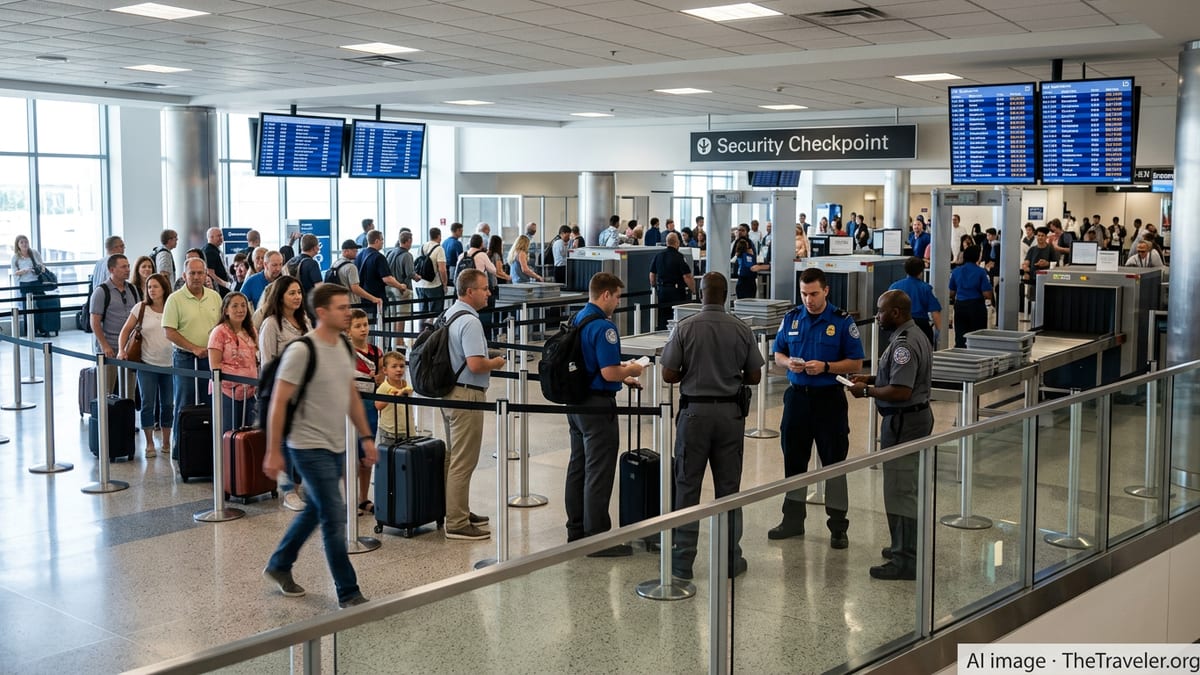
The growing dependence on retail, parking and commercial revenue is directly shaping the journey for travelers on major carriers. As airports push to maximize non‑aeronautical income, terminal designs increasingly route passengers past clusters of high‑margin shops and restaurants, often lengthening the walk between security and gates used by airlines such as Delta at New York JFK or Lufthansa at Heathrow.
Passengers on Emirates transiting Dubai International encounter sprawling duty free complexes and luxury brand corridors that are central to the airport’s business model. For ANA and its partners at Tokyo Haneda, expanded retail zones offer both convenience and pressure to spend, with carefully curated local brands and souvenirs positioned near international departure gates used by United and other Star Alliance members.
For many travelers, the upside is a wider choice of amenities, including higher‑quality food options, upgraded lounges and more spacious retail areas funded in part by commercial revenue growth. Yet there are trade‑offs. Parking and drop‑off fees at hub airports such as Heathrow, Sydney and major U.S. gateways have climbed, adding to the overall cost of trips for passengers connecting onto long‑haul flights with Delta, United or Lufthansa. As airports seek to protect these income streams, they may be less inclined to cut charges that airlines argue are contributing to higher ticket prices.
Meanwhile, airlines themselves are under pressure to optimize yields in an environment where airports capture a larger share of total trip spending through on‑the‑ground channels. Public financial data shows that carriers including Delta, Emirates and Lufthansa have posted record or near‑record revenues in recent reporting periods, but their margins remain sensitive to airport fees and the broader cost of using congested hubs. This tension is likely to persist as airports continue to pursue retail and commercial expansion in search of growth that does not depend solely on adding more flights or passengers.
Airports double down on the “city within a city” model
The divergence between traffic levels and earnings has reinforced a longer‑term trend toward airports positioning themselves as multi‑use commercial districts rather than pure transport nodes. Operators of hubs such as Paris Charles de Gaulle, London Heathrow, Dubai International and Sydney increasingly describe their strategies in terms of creating destination spaces that attract spending from both travelers and non‑travelers.
At Paris, Groupe ADP’s published material on its performance outlines ambitions to grow real estate, hospitality and services activity across its land holdings, effectively turning the airport zone into a business and lifestyle cluster. Heathrow’s investor communications highlight opportunities in property development and partnerships around its perimeter, while Dubai’s airport free zone remains an important logistics and trade platform tied to Emirates’ long‑haul network.
For travelers on Delta, Emirates, United, Lufthansa and ANA, this “city within a city” approach is likely to mean more expansive terminals, integrated rail links, hotels and mixed‑use complexes directly connected to departure halls. The downside risk is that higher commercial expectations may flow through to persistent premium pricing on parking, retail and services, even if passenger numbers plateau.
Industry analysts expect the balance between aeronautical and non‑aeronautical revenue to continue shifting over the next few years as airports seek insulation from traffic shocks and regulatory constraints on airline fees. With major hubs showing that profits can rise without a proportional jump in travelers, the experience of flying through Paris, New York, Tokyo, London, Dubai or Sydney is set to remain shaped as much by shopping arcades and parking structures as by the runways themselves.