


More news on this day
Western Sydney’s new curfew-free airport is joining forces with a rapidly expanding New Zealand and South Pacific network in 2026, as fresh routes and added capacity from Auckland, Christchurch, Wellington, Queenstown and Rarotonga promise to redraw the trans-Tasman travel map.
Get the latest news straight to your inbox!
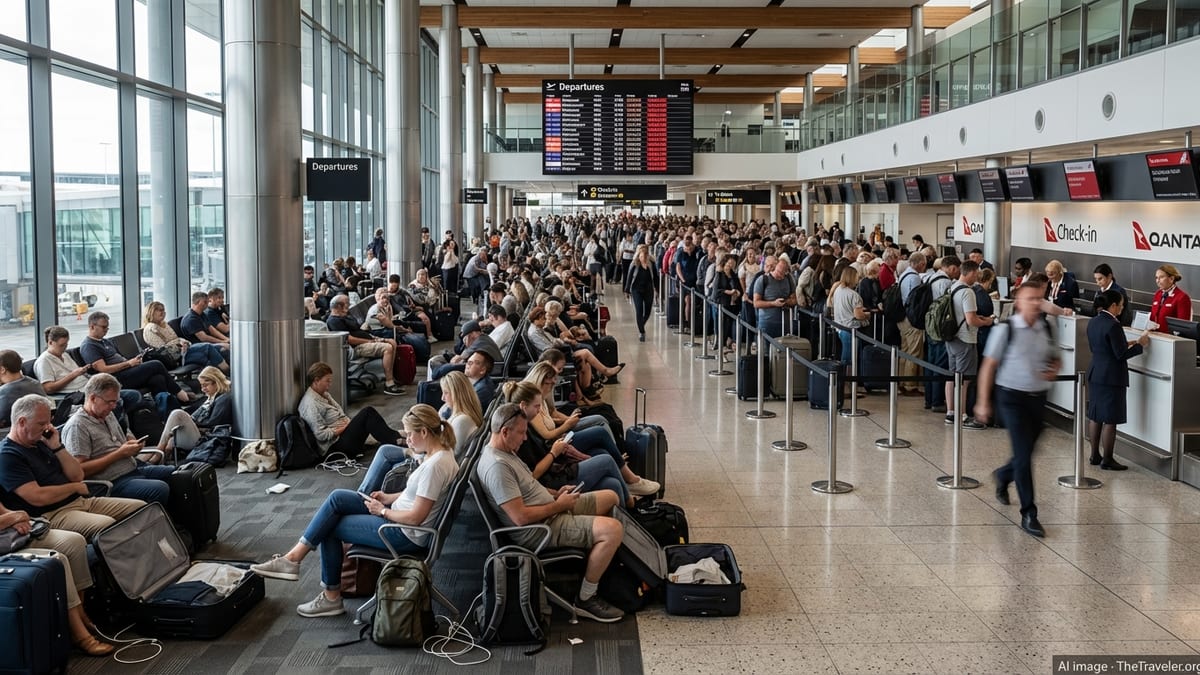
Western Sydney Airport prepares to join the trans-Tasman grid
Western Sydney International Airport, due to open to passenger services in late 2026, is emerging as a new gateway for travel between Australia and New Zealand. Government releases and project documentation describe the airport as a curfew-free alternative to Sydney’s existing Kingsford Smith hub, with dedicated motorway and metro links aimed at drawing traffic from across Greater Western Sydney.
Publicly available information on the airport project notes that the new terminal has been designed to handle wide-body international aircraft from day one, with airspace plans and flight paths already published. The combination of 24-hour operations and a growing population corridor in Sydney’s west positions the airport to attract airlines seeking schedule flexibility on busy trans-Tasman sectors.
Recent coverage indicates that Air New Zealand intends to launch three-weekly Auckland services from Western Sydney in October 2026, followed by additional international traffic in November when Singapore Airlines begins daily flights to the new airport. While the initial long-haul focus is on links to Asia, analysts suggest that success on the first routes is likely to encourage more direct New Zealand connections over the following seasons.
Industry commentary highlights that Western Sydney’s appeal lies not only in new infrastructure but also in the potential for competitive pricing. With airlines spreading operations between two Sydney airports, fare watchers expect sharper deals on peak New Zealand leisure routes, particularly around school holidays and major events.
Auckland and Christchurch drive capacity growth into Australia
Auckland Airport’s most recent investor and traffic updates point to a strong rebound and expansion in international services, including new routes and increased frequencies across the Tasman. Presentations to shareholders outline a pipeline of added capacity from Australian carriers and Air New Zealand, as airlines respond to robust demand for short-haul leisure and visiting-friends-and-relatives travel.
New routes flagged from Auckland include additional Australian destinations from mid-2026, complementing existing services to Sydney, Melbourne and Brisbane. While specific Western Sydney schedules beyond Air New Zealand’s initial launch are still emerging, airport planning documents reference further trans-Tasman growth as a central pillar of Auckland’s medium-term strategy.
Christchurch Airport is also reporting record revenue and passenger numbers, supported by what it describes as an “outstanding” first half of its 2026 financial year. Publicly released results attribute much of this performance to new and expanded air services, with the trans-Tasman market singled out for gains from additional routes and more flights by Air New Zealand and the Qantas Group.
Regulatory disclosures and statements of intent from Christchurch Airport emphasise its role as a largely short-haul gateway, focused on domestic, Tasman and Pacific Island traffic. With engine maintenance issues gradually easing and seat capacity rebuilding, observers expect southern routes linking Christchurch to Sydney, Brisbane and other Australian cities to continue expanding through 2026 and beyond.
Wellington and Queenstown ride the tourism rebound
Wellington and Queenstown, two of New Zealand’s most tourism-dependent airports, are also benefiting from the renewed appetite for travel across the Tasman. Data published by Wellington Airport shows Sydney as its single busiest international route by passenger volumes, underscoring the importance of reliable links to Australia’s largest city for both business and leisure markets.
Aviation analysts note that a second Sydney gateway at Western Sydney could reshape how airlines plan Wellington schedules in future. The option to distribute services between two Sydney airports, combined with curfew-free operations in the west, is seen as a potential way to smooth peak-time congestion and open up new time slots for Wellington-bound flights.
Queenstown, meanwhile, continues to consolidate its position as a premium leisure destination, supported by sustained demand from Australian skiers and adventure travellers. Airline schedules indicate a steady rebuild of seasonal and year-round capacity from Sydney, Melbourne and Brisbane, and industry commentary suggests that Queenstown is likely to be among the early beneficiaries if carriers look to add Western Sydney as an alternative origin point for winter traffic.
Tourism operators in both cities are watching the Western Sydney development closely. The combination of more seats from Auckland and Christchurch, and potential new timings from Sydney’s western hub, is expected to deliver more flexible itineraries for travellers pairing city breaks with ski resorts or nature-based experiences.
Rarotonga strengthens its New Zealand and Australian links
Beyond New Zealand itself, Rarotonga in the Cook Islands is emerging as a key piece of the 2026 regional network. Official tourism information for the Cook Islands highlights a growing roster of international services into Rarotonga, including flights from Auckland, seasonal services from Christchurch, and multiple weekly links from Sydney and Brisbane operated by low-cost and full-service carriers.
Updated schedules show that Jetstar and partner airlines are maintaining four weekly non-stop flights between Sydney and Rarotonga, with additional services to Brisbane scheduled from May 2026. Air New Zealand is also promoting a seasonal Christchurch to Rarotonga route running from late May through October 2026, giving South Island travellers a direct path to the islands without transiting through Auckland.
Flight data published by specialist aviation trackers indicates that Qantas will briefly operate non-stop Rarotonga to Sydney services in the March to April 2026 window, using narrow-body aircraft configured for medium-haul leisure routes. Although limited in duration, the move signals renewed interest from major Australian carriers in South Pacific beach destinations.
These developments mean that Western Sydney’s future passengers are likely to enjoy a wider range of one-stop options to Rarotonga via Auckland or Christchurch. Travel planners point out that coordinated schedules between trans-Tasman legs and island flights can significantly cut total journey times compared with traditional multi-stop routings.
What the 2026 network shift means for travellers
For travellers in both Australia and New Zealand, the combined effect of Western Sydney’s opening and continued expansion across Auckland, Christchurch, Wellington, Queenstown and Rarotonga is a denser, more flexible network in 2026. Public schedules already point to more choice of departure airports, a broader spread of flight times and increasing competition on key leisure corridors.
From Greater Western Sydney, residents will gain direct access to Auckland without crossing the city to Kingsford Smith, reducing surface travel times and potentially lowering total trip costs. Those in New Zealand’s regions, particularly the South Island, are set to benefit from improved connectivity via Christchurch and Queenstown, cutting the need for domestic backtracking through Auckland.
Travel industry analysts expect airlines to use the new capacity to refine pricing strategies, particularly around connecting itineraries that combine Western Sydney with New Zealand and South Pacific destinations. Early indications suggest that shoulder seasons and mid-week departures will remain the best opportunities for lower fares, as carriers seek to fill additional seats without diluting peak-period yields.
As airlines finalise their 2026 northern winter and southern summer schedules, further announcements are anticipated across the Tasman and Pacific. With Western Sydney preparing to welcome its first passenger flights and New Zealand’s airports posting robust growth figures, the stage is set for one of the most significant reshuffles of regional air travel in more than a decade.