


More news on this day
A man was injured when a pickup truck collided with a freight train near Le Mars, Iowa, disrupting rail traffic and drawing renewed focus to safety at rural railroad crossings in northwest Iowa.
Get the latest news straight to your inbox!
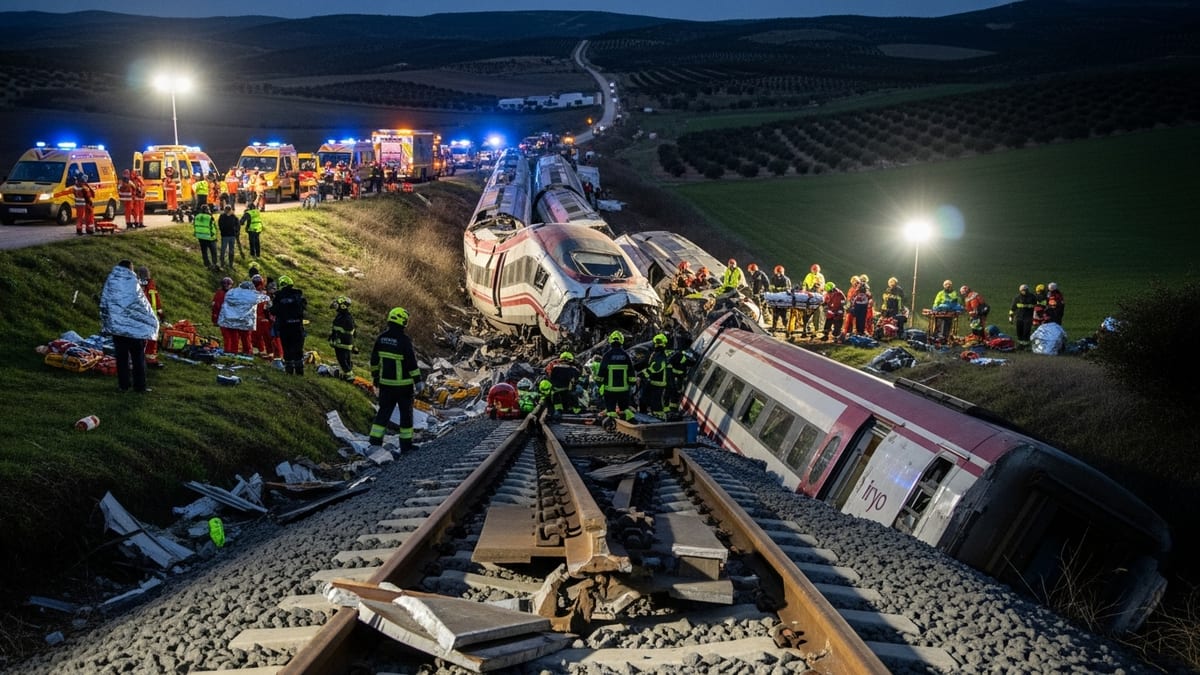
Collision reported at rural crossing near Le Mars
Initial reports indicate the collision occurred at a rural rail crossing outside Le Mars, a northwest Iowa community served by multiple freight lines. Available coverage describes a pickup traveling near the tracks when it came into contact with a moving train, leaving the vehicle heavily damaged and the driver injured.
The impact reportedly took place at a level crossing where road traffic intersects the rail line, a common configuration on rural routes in the region. Early information suggests only the pickup driver was hurt, with no injuries reported among train crew or others in the area.
Publicly available information shows that emergency responders were called to the scene to assist the injured man and assess the condition of the train and track. Images shared through local coverage and social media posts from the region show a damaged pickup near the tracks and a stopped freight consist occupying the crossing.
The precise speed of the train and pickup at the time of impact has not been publicly detailed, and formal investigative findings have not yet been released. The circumstances of how the pickup entered the crossing, including visibility, roadway alignment, and driver actions, remain under review.
Injury to driver and response at the scene
Reports indicate the male driver of the pickup sustained injuries in the collision and required medical attention. Local coverage from the Le Mars area describes first responders providing on-scene care before arranging transport to a medical facility, though the exact nature and severity of his injuries have not been fully disclosed.
Railroad personnel are reported to have remained with the train while emergency crews secured the scene and checked rail equipment for damage. There have been no public indications of derailment or hazardous materials release associated with the incident, and freight cars appeared to remain upright following the crash.
Nearby residents and motorists experienced delays as responders worked around the crossing. Vehicles approaching the area were redirected or held while crews assisted the driver, documented the scene, and awaited clearance to move the train. Such closures are typical following vehicle and train collisions while safety checks and preliminary documentation take place.
Information shared through regional news outlets indicates that rail operations resumed after inspections were completed and the damaged pickup was removed. The driver’s longer-term medical condition has not been updated publicly, and no additional injuries have been associated with the event.
Investigation focuses on conditions at the crossing
According to published coverage of similar incidents in Iowa, investigators typically review sight lines, warning devices, train speed records, and driver behavior when a highway vehicle collides with a train at a level crossing. The collision near Le Mars is expected to follow a comparable process as agencies gather data from the scene.
Key questions usually include whether crossing lights, gates or signage were present and functioning properly, whether the driver had a clear view down the tracks, and whether any environmental factors such as low sun, fog, or precipitation affected visibility. Rural crossings in Iowa often rely on crossbuck signs or flashing lights, while busier routes may be protected by gates and multiple warning systems.
Publicly available information from past grade-crossing investigations in the state shows that event recorders on locomotives can help document horn use, braking, and train speed in the seconds before impact. Those records are typically reviewed alongside witness statements and physical evidence at the scene.
No formal cause has yet been assigned in the Le Mars area collision, and it may take weeks or months before a complete assessment is made public. Until then, only preliminary descriptions of the sequence of events surrounding the crash are available.
Rail safety concerns highlighted in northwest Iowa
The collision near Le Mars adds to ongoing concerns about rail crossing safety in Iowa, where long freight trains share corridors with rural roads that carry farm traffic, commuters, and local residents. Past campaigns in the state have emphasized the weight and stopping distance of trains compared with road vehicles, noting that even low-speed impacts can cause severe damage.
Organizations that focus on grade-crossing awareness frequently highlight the risks of attempting to pass over the tracks when a train is approaching, or of assuming that a familiar route is safe regardless of warning signals. In rural areas, where trains may be less frequent, there can be a temptation for drivers to misjudge distance and speed, particularly at passive crossings that lack gates.
Rail safety messaging in Iowa has long urged drivers to treat every crossing with caution, come to a complete stop when required, and never proceed if warning devices are activated or if the view of the track is obstructed. The pickup and train collision near Le Mars is likely to renew such reminders among local authorities and regional transportation advocates.
While the number of serious rail crossing crashes in Iowa each year is relatively small compared with total road collisions, transportation data show that incidents involving trains and motor vehicles are disproportionately likely to result in severe injury or death. The latest crash underscores how a single misjudgment at the tracks can have lasting consequences for drivers, passengers, and rail crews.
Travel impacts and considerations for motorists and rail passengers
For travelers in the Le Mars region, the immediate impact of the collision primarily involved temporary delays on the affected rail line and nearby roads leading to the crossing. Freight trains were held while the incident was managed, which can have a ripple effect on schedules and on-grade crossings throughout the corridor.
Motorists using rural roads near the tracks may face occasional closures or detours as railroads and local agencies review conditions and, if needed, adjust signage or warning systems. Drivers planning trips through northwest Iowa are encouraged by public safety campaigns to allow extra time when traveling through areas with frequent crossings and to remain alert for flashing lights or approaching trains.
For rail passengers using long-distance or regional services that pass through northwest Iowa, any disruption from a single collision is usually short term. Trains may experience delays while inspections are completed, but once track and equipment are cleared, schedules typically return to normal.
The incident near Le Mars serves as a reminder that even brief interruptions can signal underlying safety issues at highway-rail intersections. As investigators continue to examine the crash, the focus for both motorists and rail users remains on patience, awareness, and adherence to warning signs whenever tracks intersect the road network.