


More news on this day
Passengers travelling through Manchester Airport today are facing a fresh round of disruption, with publicly available data showing a series of delays and a smaller number of cancellations across busy daytime departures.
Get the latest news straight to your inbox!
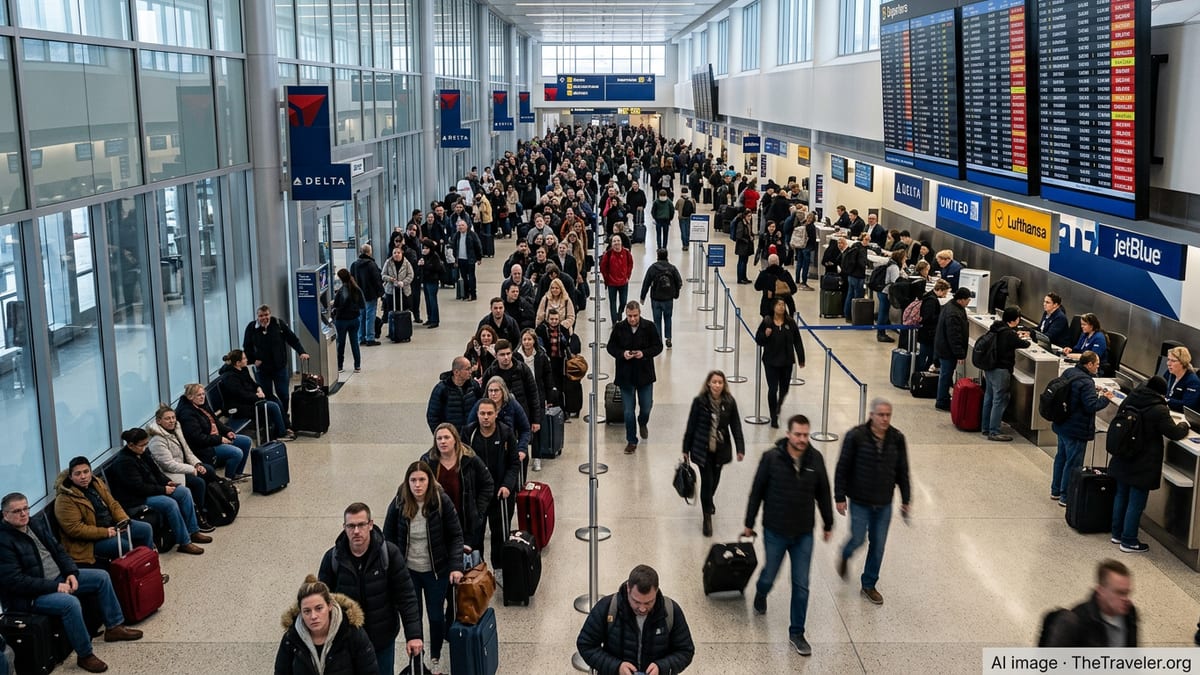
Overview of today’s disruption at Manchester Airport
Live departure information for Manchester Airport on Tuesday, 23 June 2026, indicates that a number of services have been delayed, particularly during the morning and early afternoon peak. Data compiled from airline feeds and airport schedule trackers shows that several flights have departed later than scheduled, while a handful have been cancelled outright.
Across the day’s schedule of more than 250 departures, the majority of flights are still operating, but disruption is concentrated around short haul European services and a small number of leisure routes. Most affected flights are reported to be running between 30 minutes and two hours behind schedule, with a smaller group experiencing longer waits.
Airlines appear to be adjusting turnarounds and reallocating aircraft in response, which can lead to knock-on effects later in the day. Passengers on evening departures are therefore being advised in public travel updates to monitor their flight status regularly, as delays earlier in the schedule can cascade through to later services.
The disruption comes during one of the busier summer travel weeks, with Manchester Airport handling a high volume of holiday and city-break traffic. That combination of full flights, limited spare capacity and any operational pinch points makes even modest schedule issues more visible to travellers.
Which flights are most affected by delays and cancellations
According to freely available flight-status boards, delays today are not limited to a single carrier, but are spread across several major low-cost and charter operators using Manchester as a key base. Short haul services to popular destinations in Spain, Portugal and the Mediterranean appear prominently among those running late, alongside a mix of city routes across northern and central Europe.
Most delayed flights are reported to be operating with extended boarding or taxi times rather than being removed from the schedule altogether. However, there are isolated cancellations, particularly where aircraft and crews have already experienced earlier disruption in the network. In those cases, travellers are typically being moved to later departures or rebooked on alternative routes, although re-accommodation options may be limited on fully booked summer services.
Available schedule snapshots also suggest that mid-morning and early afternoon waves are seeing the highest concentration of disruption. Early morning departures were less affected overall, but even relatively small delays at that time of day can still ripple into subsequent rotations as aircraft cycle back through Manchester.
Arrivals into Manchester are experiencing a broadly similar pattern, with inbound delays feeding into the reliability of outbound legs. Travellers connecting at Manchester or relying on tight itineraries face a greater risk of missed onward travel when disruption gathers in this way.
Contributing factors on and around the airfield
Published information on wider transport conditions around Manchester points to a combination of pressures potentially affecting operations. Journey updates for rail services to and from Manchester Airport highlight significant disruption on lines linking the airport with Manchester Piccadilly and other nearby stations, including reduced timetables and service alterations over several days.
These rail issues may not directly cause flight delays, but they can complicate crew positioning and passenger flows, especially during peak travel periods. When ground access is disrupted, check in, baggage processing and security queues can all become more volatile, increasing the likelihood of last minute holds at the gate while passengers and crew are brought through the terminal.
Road traffic data for the surrounding motorway network also shows ongoing works and restrictions on key routes such as the M60, which can add further strain to airport access. When staff, service vehicles and time-critical suppliers are affected by slower journeys, the knock-on effects can contribute to minor operational slowdowns that then manifest as marginal flight delays.
Alongside these transport factors, aviation analysts frequently highlight how tightly scheduled summer programmes leave little room for recovery once disruption has begun. With aircraft and crews often rostered to operate multiple legs per day without lengthy ground buffers, an early delay can be difficult to claw back.
Impact on passengers travelling through Manchester today
For passengers, today’s pattern of disruption translates into longer waits in departure lounges, revised boarding times and, in a minority of cases, cancelled trips. Travellers on delayed flights are being encouraged through public-facing updates to remain close to departure gates once they pass security, as last minute changes to stands and boarding windows remain possible while airlines attempt to recover time.
Those flying on package holidays or charter services are typically supported by tour operators at the airport, but independent travellers may have to be more proactive in checking airline apps, email notifications and airport display boards. Consumer advice from travel bodies also stresses the importance of keeping records of delay durations and any expenses incurred, in case they fall within the scope of compensation rules under UK and European regulations.
Passengers with tight onward plans, such as trains or hotel check-in deadlines, may need to rearrange ground transport or inform accommodation providers of late arrival. With separate disruption already in place on regional rail services in and out of the airport, some travellers are reported to be switching to taxis, private hire vehicles or pre-booked car services as a precaution.
Families travelling with children and those with reduced mobility face particular challenges when delays accumulate. Extended waits can make it harder to manage meals, medication and rest, especially where gate areas are crowded and seating is limited during busy summer peaks.
What travellers should do before heading to the airport
Travel advisories and consumer guidance issued around today’s disruption emphasise the importance of checking flight status repeatedly in the hours before departure, rather than relying solely on the original booking confirmation. Airline websites, mobile apps and departure board services typically show the most recent estimated times, aircraft changes and gate information.
Passengers are also being encouraged by widely shared guidance to allow extra time both for reaching the airport and for moving through the terminal, particularly while rail services are operating on amended timetables. Leaving a wider buffer than usual for check in and security can reduce the risk of missing a flight that is operating close to time despite wider disruption.
For those whose flights are cancelled or severely delayed, official government and regulator guidance outlines rights to care, rerouting and, in certain circumstances, financial compensation. Travellers are advised to keep boarding passes, booking references and receipts, and to follow their airline’s formal claims procedures once immediate travel arrangements have been resolved.
With high summer traffic set to continue in the coming days, observers suggest that passengers using Manchester Airport this week should monitor conditions closely and prepare for the possibility of further pockets of disruption, even if most flights continue to operate broadly as scheduled.