


More news on this day
Three flights were cancelled and more than 30 others delayed at Manchester Airport today, according to live disruption and flight tracking data that highlighted continuing pressure on flight operations at the UK hub.
Get the latest news straight to your inbox!
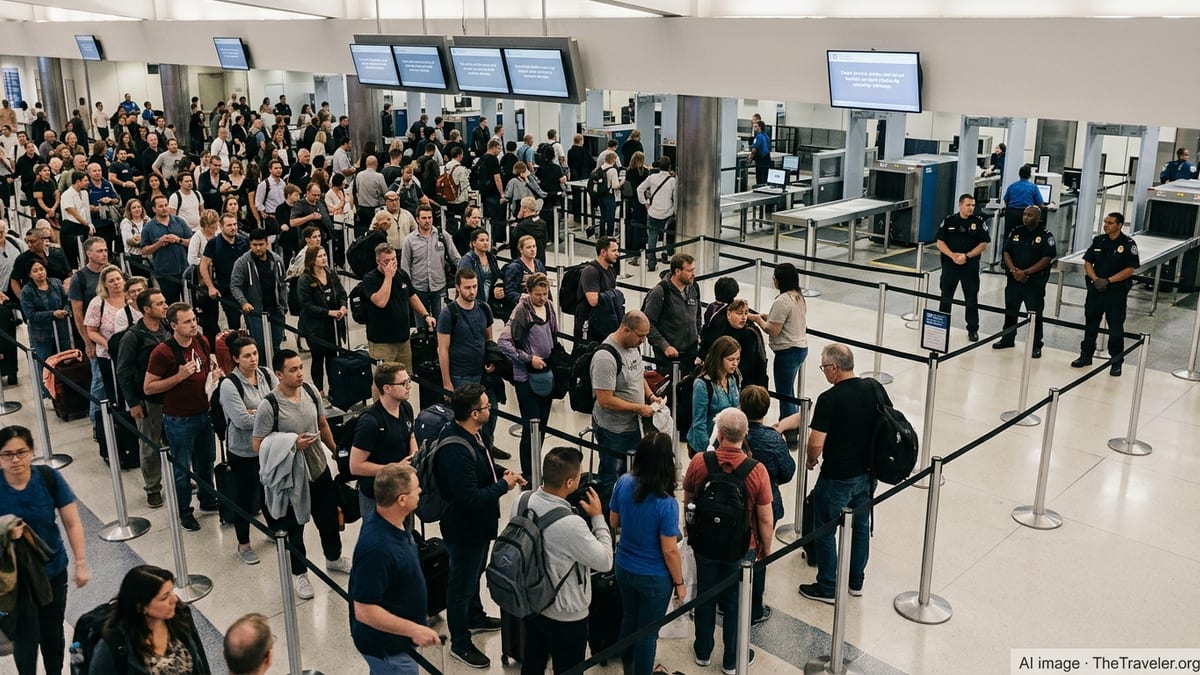
Live data points to growing disruption at MAN
Publicly available disruption dashboards show Manchester Airport among the more affected airports worldwide today, with multiple services running behind schedule and a small number cancelled outright. A live disruption index compiled by Flightradar24 lists Manchester within the higher ranked airports for disruption, reflecting elevated levels of delayed departures and at least a handful of cancellations in the current operating window.
On the arrivals side, a separate live index indicates that Manchester is registering a high disruption score, with more than three quarters of tracked services arriving behind schedule and an average delay close to one hour. The same data set records at least one arrival cancellation at the time of publication, while departure side figures list two additional cancellations, bringing the total to three affected flights overall for the day.
These real time indicators align with flight specific tracking platforms, which list a long sequence of services flagged as delayed on Manchester’s arrivals and departures boards. While exact figures move throughout the day as flights land and depart, the combined feeds consistently show more than 30 services carrying delay markers, ranging from modest hold ups of around half an hour to significantly longer waits.
Airport summary pages on third party trackers also confirm that Manchester is running a busy schedule, with more than 1,600 flights on the route network, meaning even a relatively small proportion of delayed movements can quickly add up to dozens of affected services across the day.
Knock on effects for passengers and airlines
For travellers, today’s pattern of disruption has translated into extended waits in the terminal, missed connections, and in some cases, rebookings or diversions. Flight status boards on tracking sites show services operated by a wide spread of airlines out of Manchester posting updated estimated departure or arrival times, as aircraft wait for slots or inbound equipment.
Average delay metrics compiled by independent monitoring sites suggest Manchester is facing hold ups in the range of 30 to 60 minutes on many disrupted services, although individual flights sometimes fall well outside that band. A separate live dashboard tracking airport wide performance lists Manchester with an average delay of more than half an hour, while still indicating that the terminal itself is not experiencing heavy security queues, underscoring that the bottleneck lies primarily in airside operations.
Airlines operating from Manchester typically manage these disruptions by adjusting rotations, substituting aircraft where possible and working with slot coordinators to resequence departures. However, when delays stack up across a broader regional network, carriers can struggle to absorb the impact, which may in turn contribute to the small number of outright cancellations recorded today.
Consumer facing advisory platforms note that passengers whose flights are significantly delayed or cancelled on routes covered by UK and EU regulations may be entitled to assistance, rerouting and in some circumstances financial compensation. Several of these services maintain Manchester specific pages that collate delayed and cancelled flights for the current day, making it easier for travellers to check whether their service is listed.
Manchester among several UK airports reporting delays
Manchester’s operational challenges today are occurring alongside wider disruption across parts of the UK and European air traffic system. The same live disruption tables that flag Manchester also show elevated delay levels at other major UK airports, including London Stansted, London Luton and Birmingham, each with a high proportion of their daily schedule running late and, in some cases, multiple cancellations.
Real time global delay maps place Manchester within the top tier of affected airports for both arrivals and departures performance during parts of the day, alongside hubs in North America, the Middle East and mainland Europe. These rankings are calculated from a blend of factors including the number of late running flights, the percentage of the schedule affected and average delay times.
Additional flight tracking and airport intelligence platforms likewise register Manchester among a cluster of airports with elevated disruption indicators today. One such service, which combines live delay data with security wait time estimates, lists Manchester as not busy in terms of queues but still records an average delay of more than 30 minutes, reflecting the operational strain on the flying programme rather than on passenger processing.
Although individual incidents such as go arounds or temporary runway holds can add to delays at any single airport, today’s data suggests that Manchester’s issues are part of a broader pattern of congestion affecting multiple hubs rather than an isolated localised event.
What travellers using Manchester Airport today should know
For passengers due to fly through Manchester Airport over the rest of the day, publicly available advice from travel and flight tracking services remains consistent: check flight status frequently, build in extra time and be prepared for potential schedule changes. Airline and airport websites, as well as dedicated flight tracking apps, provide near real time updates on departure gates, estimated times and any cancellations.
Several independent Manchester specific trackers collate arrivals and departures into simplified tables that can be filtered to show only delayed or cancelled flights. These tools allow travellers to see at a glance whether their service is on time, running late or has been removed from the schedule, without needing to search by flight number alone.
Passengers already at the airport are typically advised by these platforms to stay close to the departures area for their airline, as gate assignments and boarding times can move quickly once aircraft and crews become available. At the same time, those with longer delays often use airport guidance pages to identify landside services such as food, seating and connectivity options while they wait.
Where flights are cancelled, consumer rights resources recommend that travellers retain documentation including booking confirmations, boarding passes and any written notices of disruption. These documents can support later claims for refunds, rerouting or compensation through airlines or third party services, particularly for flights touching the UK and European Union that fall under established passenger rights frameworks.
Outlook for the rest of the day’s schedule
Live disruption indicators are dynamic, and the exact count of cancelled and delayed flights at Manchester Airport is likely to evolve as the day progresses. However, current data trends suggest that while the number of outright cancellations remains relatively low at three, the volume of delayed flights is significant and could continue to rise or fall depending on how quickly backlogs are cleared.
Real time maps showing airborne traffic into Manchester highlight periods where inbound aircraft experience holding patterns or extended vectors before landing, contributing to arrival delays that then cascade into later departures. If airspace and runway flows stabilise later in the day, some of the current delay minutes may be partially recovered, although published disruption scores indicate that today is already running behind a typical day’s performance.
For now, Manchester Airport remains operational with the majority of flights still running, albeit with many outside their scheduled times. Travellers planning to use the airport today are encouraged by publicly available guidance to monitor their flights closely and allow for flexibility in onward plans, particularly where tight connections or time sensitive commitments are involved.
Given Manchester’s sizeable route network and the knock on effects observed in live air traffic data, today’s combination of three cancellations and more than 30 delayed services is a reminder of how quickly conditions can shift at a busy international hub, even on days when the airport itself does not appear especially congested on the ground.
Flightradar24 airport disruption departures index
Flightradar24 airport disruption arrivals index