


More news on this day
Train travel in Manhattan faced significant disruption Tuesday after a morning subway fire injured 14 people and led to cascading delays across multiple lines, complicating commutes for thousands of riders and prompting renewed scrutiny of safety and emergency procedures in New York City’s transit network.
Get the latest news straight to your inbox!
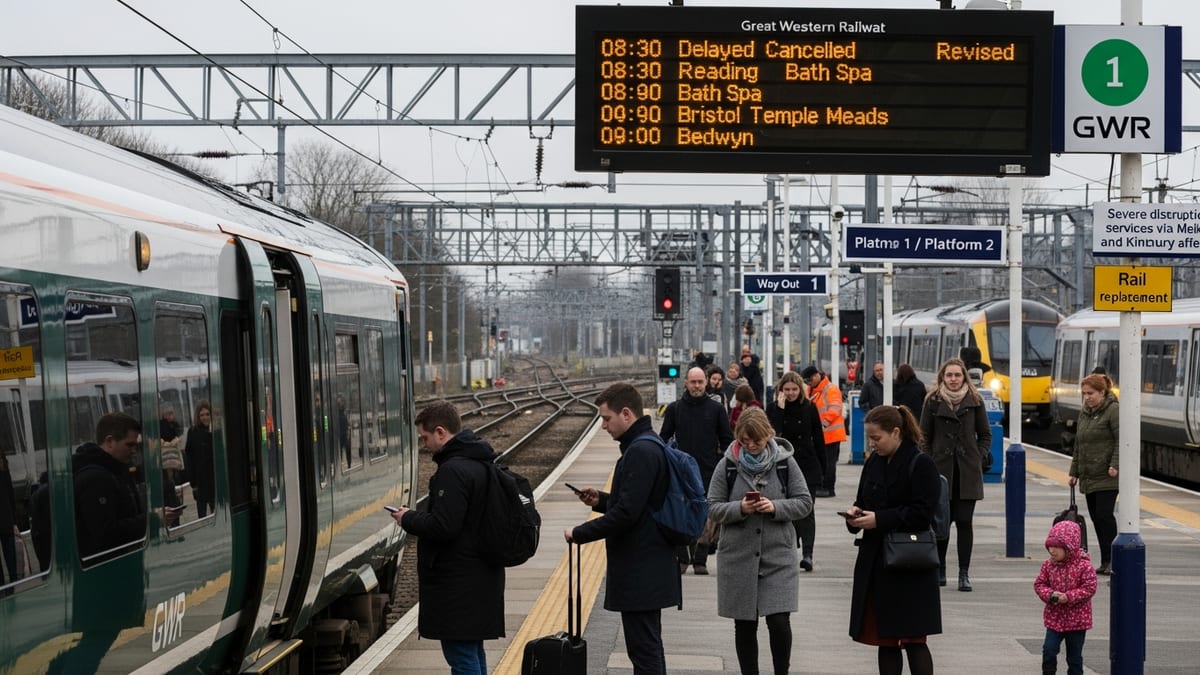
Morning fire disrupts rush-hour travel
Reports from New York City indicate that the fire broke out during the busy morning period, filling part of the subway infrastructure with smoke and forcing trains to halt or proceed at reduced speeds. Emergency responders assisted riders affected by smoke and minor injuries, while transit crews worked to secure the scene and inspect infrastructure for damage.
According to publicly available coverage, at least 14 people were treated for injuries linked to the incident, largely associated with smoke inhalation and the crowded conditions that followed the abrupt service stoppages. Initial information suggests that none of the injuries were life-threatening, but the event added stress and confusion to an already congested commuting window.
Service into and through Manhattan slowed sharply as trains were rerouted, held in stations, or terminated short of their normal destinations. Passengers reported extended waits on platforms, crowded train cars, and limited information as dispatchers adjusted traffic to keep trains moving safely around the affected area.
Transit notifications described residual delays that lingered well beyond the initial fire response, as crews conducted inspections and cleared equipment before allowing full service to resume. Riders were advised to allow extra travel time and consider alternate routes where possible.
Extent of delays and impact on key lines
Information from transit alert feeds shows that trains serving central Manhattan corridors experienced the heaviest disruptions. Lines connecting major hubs such as Penn Station, Times Square, and key downtown transfer points saw reduced frequencies and occasional bypassed stops as dispatchers worked to manage congestion and prioritize safety checks.
The impact spread quickly beyond the immediate location of the fire, with trains backing up along shared tracks and interlocking points. Even riders far from the original incident zone encountered slower trips, crowding, and occasional train cancellations or short turns. Some northbound and southbound services operated on modified routes, contributing to confusion among passengers unfamiliar with service changes.
Commuters described trains pausing between stations for prolonged periods and platforms filling as headways widened. In some cases, riders were instructed to transfer to alternate lines or switch to buses in order to reach midtown and downtown employment centers.
By late morning, publicly available updates indicated that service was gradually improving, but many lines continued to experience delays and uneven intervals between trains. The knock-on effects were expected to persist into the early afternoon as the system worked through accumulated congestion.
Emergency response and safety procedures
Coverage of Tuesday’s incident highlights how quickly a fire in the subway environment can translate into a wider operational challenge. Even relatively small fires can generate significant smoke, restrict visibility, and require power adjustments that limit train movements until the situation is stabilized.
New York City’s transit system has established protocols for track and train fires, calling for rapid coordination between transit dispatchers, emergency responders, and on-site personnel. Publicly available guidance describes procedures such as cutting power to affected sections, evacuating train cars when needed, and directing passengers to the safest available exits while ventilation systems clear smoke.
In this case, reports indicate that the injured were assisted and transported for medical evaluation while inspections were carried out to determine whether tracks, signals, or rolling stock sustained damage. The process of confirming that equipment and tunnels are safe to use typically extends well beyond the visible end of an incident, which contributes to ongoing service delays.
Transit safety advocates often point to such events as reminders of the importance of infrastructure maintenance, fire suppression equipment, and clear communication to riders during emergencies. The system’s age, heavy ridership, and complex layout continue to pose challenges when unexpected incidents occur at peak hours.
Rider experience and commuter frustrations
For many New Yorkers, Tuesday’s disruption added to a broader sense of unpredictability around weekday travel. The combination of an emergency response, crowded platforms, and delayed trains left riders searching for information via station announcements, display boards, and third-party transit apps.
Accounts shared through public channels described stalled trains, crowded stairways, and difficulty hearing announcements in noisy stations. Some riders chose to exit to street level and walk to their destinations or hail taxis and ride-hailing services, adding pressure to Manhattan’s already congested streets.
Others opted to work remotely where possible, particularly those who were still at home when alerts about delays and service changes were first circulated. For workers without such flexibility, the morning underscored the dependence on a single core network and the wide ripple effects of any disruption along key routes.
Despite the frustrations, published reports also note that many riders were able to continue their trips with patience and mutual assistance, sharing information about alternate routes and helping direct unfamiliar passengers through transfers and station exits.
Ongoing recovery and potential follow-up reviews
As crews finish inspections and clear remaining obstacles, transit alerts suggest that service is expected to normalize gradually, though riders may continue to see uneven intervals and crowding on affected lines into the day. Residual delays are common after morning incidents, as trains and crews are displaced from their scheduled positions.
Published coverage indicates that a review into the cause of the fire is likely to focus on the precise origin of smoke and flames, whether related to track debris, equipment malfunction, or other contributing factors. Such inquiries can inform future maintenance priorities and potential adjustments to cleaning, inspection, or operational practices.
Observers of New York’s transit system note that Tuesday’s event fits into a pattern of intermittent disruptions linked to infrastructure stresses, weather, and isolated incidents that strain the network during peak travel windows. Each major disruption tends to renew discussions over long-term investment in resilience and modernization.
For now, passengers planning to travel through Manhattan are encouraged, according to publicly available advisories, to check the latest service information before leaving home and to build in additional time for transfers and possible delays, particularly on routes that experienced the most significant interruptions following the morning fire.