


More news on this day
A Manitoba sheriff’s officer has died and a second officer was injured after their transport van collided with a freight train at a rural crossing west of Portage la Prairie, casting a somber light over safety at rail intersections frequently used by law-enforcement vehicles.
Get the latest news straight to your inbox!
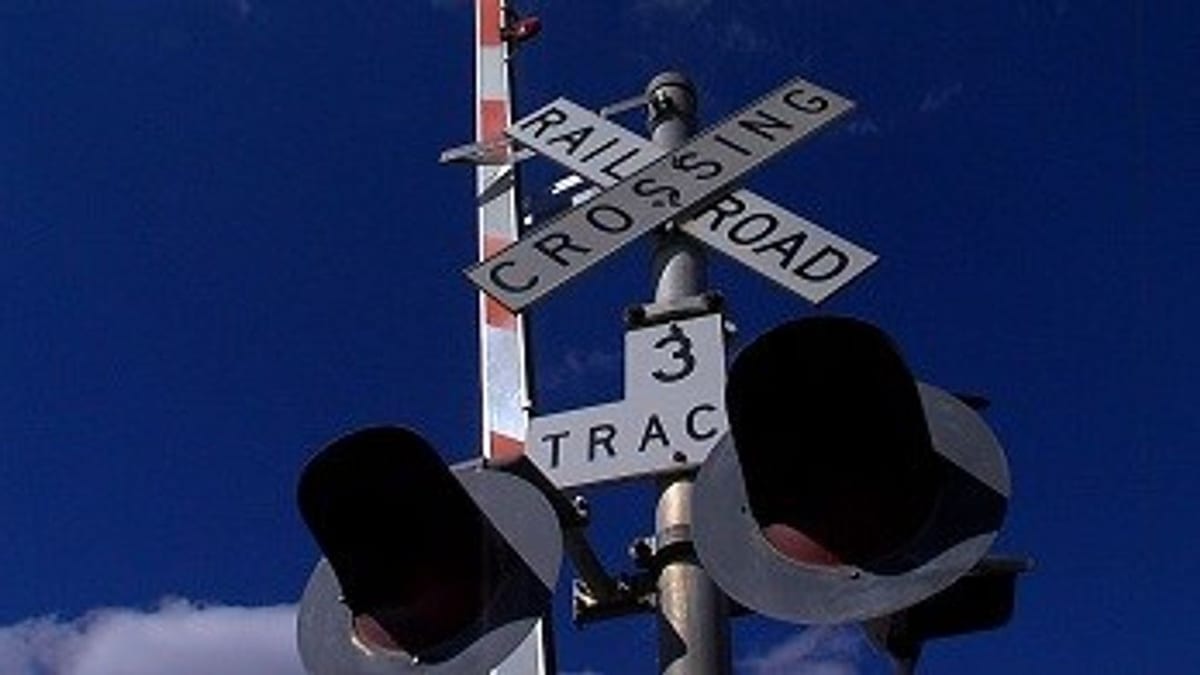
Collision near Portage la Prairie under active investigation
Publicly available information indicates the collision occurred on the morning of July 14, 2026, on a rural road west of Portage la Prairie, Manitoba. Reports describe a Manitoba Sheriffs van travelling north when it was struck by an eastbound freight train at a level crossing.
The 28-year-old driver of the van, identified as a sheriff’s officer, was pronounced dead at the scene. A second sheriff’s officer who was a passenger in the vehicle was taken to hospital with injuries described in early coverage as serious but not life threatening.
Regional reports state that the crash involved a Canadian National freight train and that the crossing where the incident occurred is controlled by standard rail signals. Investigators are reviewing site conditions, including visibility, signal operation, and the movements of both the van and the train in the moments before impact.
According to published coverage, the incident is being examined through multiple investigative streams, including a traffic collision analysis and workplace-safety review, reflecting the involvement of on-duty provincial officers in a government vehicle.
Province mourns fallen sheriff’s officer
News of the death prompted expressions of condolence from provincial leaders, with public statements emphasizing the role Manitoba Sheriffs play in the justice system. Manitoba’s premier described the officer’s “service and sacrifice” as something that will not be forgotten, underscoring that sheriffs routinely work out of the public eye transporting people in custody and supporting courtroom security.
Manitoba Sheriffs, a branch of Manitoba Justice, are responsible for prisoner transport between correctional centres, police facilities, and courthouses, often travelling long distances on rural highways and secondary roads. The van involved in the fatal collision was reported to be travelling without prisoners at the time, with only the two officers on board.
Publicly available information highlights that support services are being made available to colleagues and family members of the deceased officer and to the injured sheriff. The loss has drawn messages of sympathy from policing and justice-sector organizations across the province, reflecting the close working relationships between sheriffs, police agencies, and court officials.
The death adds to a broader national conversation about the risks faced by law-enforcement and court-services personnel away from high-profile incidents, including routine driving, transport work, and time spent on the road between often remote communities.
Rail-crossing safety under renewed scrutiny
The collision near Portage la Prairie has also refocused attention on safety at rail crossings in Manitoba, a province with an extensive network of mainline and branch-line tracks intersecting rural roads. Previous incidents across the province involving private vehicles, farm equipment, and commercial transport at crossings have periodically prompted calls for upgrades and public-awareness campaigns.
Early reporting on this week’s crash notes that investigators are assessing whether sightlines, signage, and active warning systems functioned as intended. The specific crossing west of Portage la Prairie serves as a link for local traffic moving between farms, rural properties, and the Trans-Canada Highway corridor.
Transportation-safety advocates frequently highlight the added complexity at crossings where high-speed freight trains intersect with lightly travelled rural roads. Factors such as driver familiarity, seasonal conditions, and the length of trains can all influence reaction times and perception of risk.
While no comprehensive findings have been released, coverage of the incident has sparked discussion among residents and commentators about whether additional engineering measures, such as grade separation or enhanced warning systems, may be warranted at some busy rural rail intersections.
Impact on justice-system operations and regional travel
The Manitoba Sheriffs service conducts daily transport runs between Winnipeg, Portage la Prairie, Brandon, and smaller communities, moving people in custody to court appearances and correctional facilities. The route west of Portage la Prairie is a key connector along the Trans-Canada Highway and surrounding grid roads, making it a regular corridor for official vehicles.
Following the collision, publicly available information suggests that transport schedules and staffing in the region have been adjusted temporarily to account for the loss and injury within the sheriffs’ ranks. Court proceedings that rely on in-person appearances may face logistical changes as routes and staffing patterns are reassessed.
For travelers and residents in the Portage la Prairie area, the incident has served as a reminder of the mix of heavy truck traffic, farm machinery, and official vehicles that share rural roads and crossings with long freight trains. Local commentary points to the need for improved driver awareness and patience at crossings, particularly during peak agricultural and construction seasons.
Justice-sector observers note that the crash may prompt a broader internal review of travel protocols for sheriffs, including route planning, driver training, and policies for navigating high-risk intersections along commonly used corridors.
Community response and ongoing questions
In Portage la Prairie and surrounding communities, the death of the young sheriff’s officer has resonated beyond the justice system, as residents absorb yet another fatal incident linked to a rail crossing in the region. Public messages of sympathy on social media and in local coverage reflect both grief and frustration at the persistence of serious collisions at railway intersections.
Community members are watching closely for the results of the official collision reconstruction and any subsequent recommendations for infrastructure changes or policy updates. Key questions include whether visibility or warning systems at the crossing played any role and whether traffic volumes or train speeds may warrant modifications.
The incident is expected to be part of broader discussions among municipal leaders, provincial transportation officials, and rail operators about targeted safety improvements near Portage la Prairie. Topics likely to arise include data-driven prioritization of crossings for upgrades and the role of public education campaigns aimed at both local residents and professional drivers.
As the investigation continues, the crash west of Portage la Prairie stands as a stark reminder of the risks presented where rail and road networks intersect, even on familiar routes used daily by those tasked with upholding public safety.