


More news on this day
Hundreds of passengers at London Stansted Airport faced severe disruption on Sunday after a power cut hit key terminal systems, bringing security, baggage handling and parts of immigration processing to a near standstill and leaving many travellers effectively stranded for hours.
Get the latest news straight to your inbox!
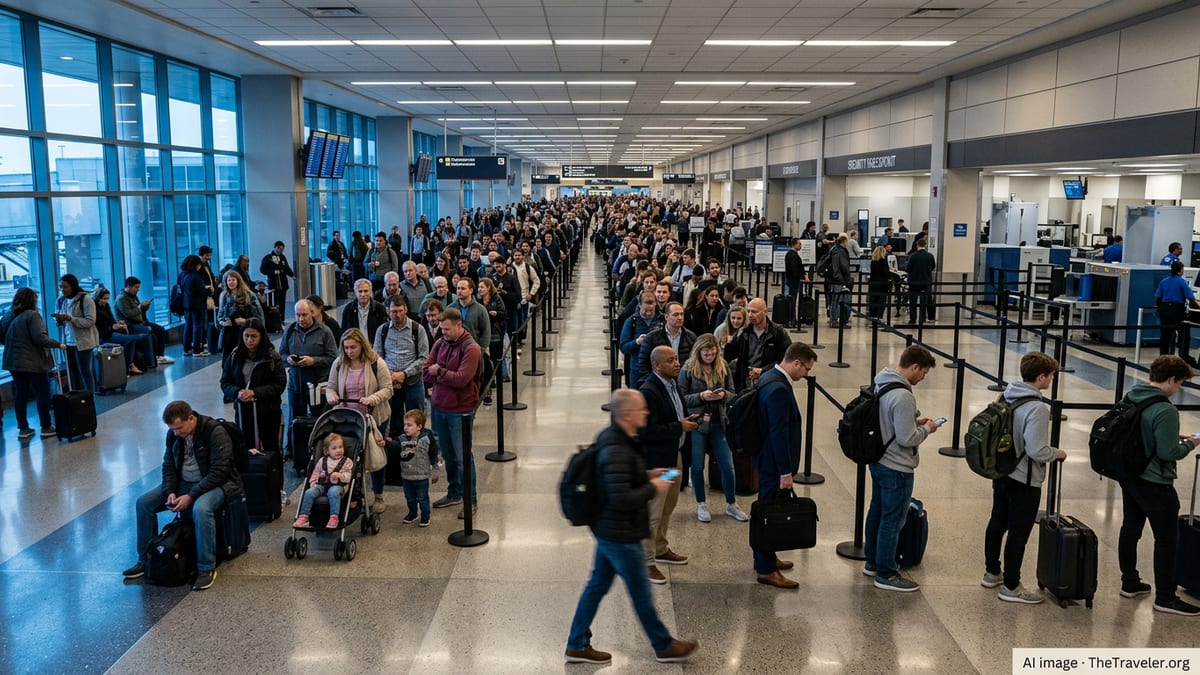
Power surge disrupts key systems at London Stansted
According to published coverage on 25 October, the disruption followed a sudden power surge affecting both London Stansted Airport and the surrounding area, which in turn knocked out multiple terminal systems. Security screening equipment, baggage handling processes and some border control functions were all reported to have been impacted, forcing operations to slow or pause while staff worked around the outage.
Reports indicate that hundreds of flights were affected to varying degrees over the course of the day. Flight tracking data cited in UK media coverage suggested that around 250 services experienced delays, with a smaller number cancelled outright as airlines struggled to recover their schedules once systems began to come back online.
Publicly available information shows that the incident occurred during a busy period for the Essex hub, with many travellers beginning or ending school half term holidays. The timing contributed to particularly dense crowds within the terminal and placed additional pressure on both airport teams and airline ground staff attempting to manage disrupted departures and arrivals.
Airport statements shared in news reports later in the day indicated that all core systems had been restored by Sunday evening. However, residual disruption to flight schedules, aircraft rotations and crew availability was expected to continue into the night as airlines repositioned aircraft and rebooked delayed passengers.
Passengers report being stranded in long queues
Passengers posting on social media and speaking to UK news outlets described scenes of long, static queues stretching across the departures hall as security lanes operated at reduced capacity. With automatic systems offline or partially functioning, staff were reported to be carrying out additional manual checks, significantly increasing processing times.
Several travellers characterised the situation as a near total breakdown of normal procedures, with people waiting for hours to clear pre-flight formalities. Some passengers indicated that, despite arriving at the airport well in advance, they were unable to reach their departure gates before boarding closed, leading to missed flights and uncertainty about rebooking options.
Arriving passengers also reported difficulties, particularly at immigration and baggage reclaim. Coverage in UK media described long waits to reach passport control after the power surge affected the systems feeding the airport’s shuttle and e-gates. In some cases, travellers noted that queues continued even after power had been restored, as staff worked through the backlog caused by the earlier shutdown.
Social media images shared in news reports showed crowded concourses and departure boards filled with delayed services. Many travellers reported limited seating and congested food and retail areas, which compounded discomfort during the prolonged waits.
Airport and airlines move to restore operations
Publicly available statements cited in national and regional coverage indicated that Stansted Airport’s management acknowledged the power surge and its impact on terminal systems. They stated that teams were working to restore all services and support passengers through the disrupted airport journey as systems were brought back online.
By Sunday evening, subsequent updates reported that most systems were again operational, though not always at full capacity. Security and baggage processing were among the last areas to return to normal throughput, according to coverage referencing airport communications, which meant that queues and delays persisted even after power was restored.
Individual airlines based at Stansted, including major low cost carriers, were reported to be adjusting their schedules, consolidating flights where possible and arranging alternative departures for passengers who had missed connections. In some cases, travellers were advised via airline apps and websites to remain in close contact regarding rebooking, as staff at the airport contended with both the power-related disruption and knock-on effects from poor weather and wider transport issues in the region.
Travel industry analysts quoted across multiple outlets noted that large airports are heavily dependent on integrated IT, security and baggage systems, and that even a short interruption can ripple through operations for many hours. At Stansted, the combined impact of half term traffic, a regional power surge and earlier weather related transport problems on rail links created a complex environment for recovery.
Knock on effects for wider UK travel networks
The disruption at Stansted came amid a weekend of broader transport challenges in parts of the United Kingdom. Published reports highlighted that rail services on the Stansted Express route between the airport and central London had already been reduced or cancelled on previous days due to storm related damage to overhead power lines.
As a result, some passengers heading to or from the airport on Sunday had limited alternatives when flights were delayed or cancelled. With replacement bus services and alternative rail routes already under strain from earlier weather disruption, travellers reported difficulties rebooking onward journeys or finding spare capacity on short notice.
Observers noted that the situation at Stansted underlines how closely connected air travel is to the reliability of regional infrastructure, including electricity supply and surface transport. When multiple systems face problems at once, relatively localised issues such as a terminal power surge can quickly escalate into broader travel disruption, particularly during peak holiday periods.
For passengers caught in the queues on Sunday, the combination of flight disruption, limited onward options and crowded terminal facilities translated into lengthy, uncomfortable waits. In some cases, travellers reported preparing for the possibility of overnight stays or significant changes to their itineraries while airlines and airport teams worked to stabilise operations.
What travellers should know if flying from Stansted
Travel experts commenting in UK media coverage of the incident suggested that passengers with upcoming flights from London Stansted should monitor airline communications closely, especially during periods of unsettled weather or reported infrastructure issues. Airline apps, text alerts and departure boards remain the primary sources of real time information on delays, gate changes and rebooking options.
Given recent congestion and the impact of the latest power cut, publicly available guidance generally recommends allowing extra time for security and check in at busy UK airports, particularly during school holidays and weekends. For Stansted, where many carriers operate tight turnaround times, arriving early can provide more flexibility if queues lengthen without warning.
Passengers with tight onward connections, families with young children and travellers requiring assistance may wish to build in an additional buffer beyond standard airline recommendations. While the latest incident was linked to an external power surge, reports over recent years show that airports across Europe have faced occasional operational problems ranging from IT outages to weather related closures, any of which can quickly affect departure times.
For now, operations at London Stansted were reported to be returning to normal by Sunday night, with airport communications indicating that systems were back in service and staff were focused on clearing the remaining backlog. Travellers due to pass through the airport in the coming days are advised in media coverage to check the status of their flights before departing for the terminal and to allow extra time for their journey if transport links remain busier than usual.