


When travelers start planning a Mid Atlantic escape from Washington, Philadelphia, or New York, the choice often narrows to two neighbors: Maryland or Virginia. Both promise Chesapeake Bay sunsets, historic towns, sandy beaches, and easy weekend logistics. Yet on the ground they feel very different. One leans toward working waterfronts, quirky maritime communities, and barrier-island wildness. The other delivers Blue Ridge overlooks, immersive colonial history, and broad, family friendly beaches. This guide walks through how each state actually feels to visit in 2026, with concrete examples and price points, so you can decide which one gives you more for the type of trip you have in mind.
Get the latest updates straight to your inbox!
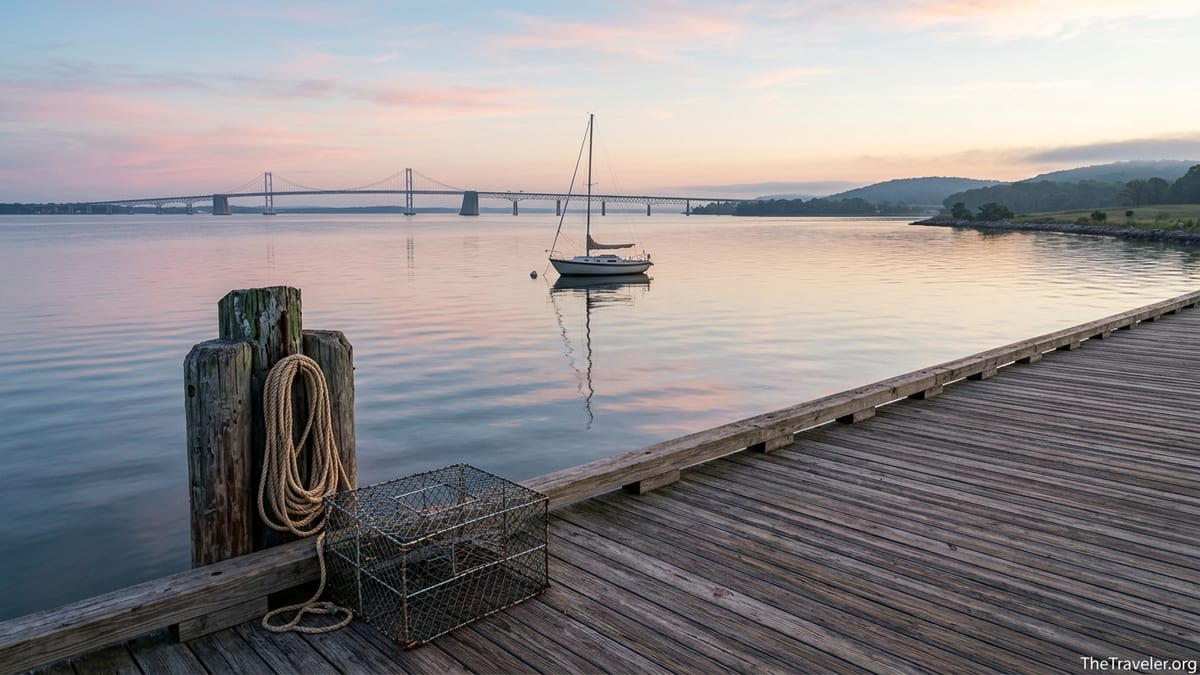
Big Picture: How Maryland and Virginia Trips Feel Different
Maryland and Virginia share a border but deliver distinct travel personalities. Many visitors describe Maryland getaways as water first: crabs on paper-covered tables in Annapolis, sunrise over the Atlantic in Ocean City, wild horses on Assateague Island, and quiet marinas on the Eastern Shore. Virginia trips, by contrast, often start with land and sky: a slow drive along Skyline Drive in Shenandoah National Park, wineries outside Charlottesville, cobblestone streets in Alexandria’s Old Town, or long days on the wide sands of Virginia Beach.
From a logistics perspective, both states are easy weekend options from major East Coast cities. Driving from downtown Washington, DC, to the Maryland side of Assateague Island usually takes around 3 hours in normal traffic, similar to the drive to Shenandoah’s Thornton Gap entrance in Virginia. A Friday evening MARC train from Washington to Baltimore can run under 15 dollars one way in 2026, while Amtrak from Washington to Richmond frequently sells advance fares in the 25 to 40 dollar range. Because both states see heavy summer and foliage season demand, lodging rates shift more by timing and location than by state line.
Where they diverge most is atmosphere. Maryland’s coasts and bays skew casual and nautical, with small-scale towns like St. Michaels or Oxford that feel built around marinas and seafood shacks. Virginia’s marquee destinations lean more toward curated historic experiences and scenic drives, such as Colonial Williamsburg’s living history streets or the Blue Ridge Parkway overlooks linked with well marked hiking trails. Deciding which trip gives you more often comes down to whether you picture your ideal weekend by the water, in the mountains, or immersed in American history.
Coastlines Compared: Beaches, Bays, and Wild Horses
If your Mid Atlantic trip is all about the coast, Maryland and Virginia both offer Atlantic surf and protected bays, but the experiences are not identical. Ocean City, Maryland, remains one of the region’s classic beach towns, with a boardwalk of arcades, pizza stands, and high rise hotels. In 2025 it ranked among the more popular U.S. beaches in several national roundups, so expect crowds and summer weekend room rates commonly in the 250 to 400 dollar per night range for midrange hotels near the sand. By contrast, Virginia Beach delivers a wider, more open beachfront and a long paved oceanfront boardwalk that is popular with runners and cyclists, along with a growing dining scene in the ViBe Creative District a few blocks inland.
For many travelers, though, the most memorable coastal choice is Assateague Island and nearby Chincoteague. Assateague’s Maryland side is part of a national seashore with more than 30 miles of sand, basic beach facilities, and a herd of free roaming wild horses managed by the National Park Service. The Virginia side is mostly national wildlife refuge, with the famous Chincoteague ponies that swim across the channel during a long running annual summer event and spend most of the year grazing on the salt marshes. In practice, this means Maryland’s side feels like a windswept beach park where you might see horses wandering near the dunes, while Virginia’s side is typically visited via the town of Chincoteague, where motels, kayak outfitters, and ice cream shops line the main road.
Chesapeake Bay experiences also differ between the two states. Maryland’s identity is deeply tied to the bay, from waterfront Annapolis and Kent Island to small Eastern Shore communities like St. Michaels. It is easy to book a summer afternoon sailing excursion from Annapolis harbor, often around 60 to 90 dollars per adult for a two hour cruise, or to rent kayaks on Kent Island for about 30 to 50 dollars for a half day. In Virginia, the bay experience tends to concentrate around quieter spots such as Cape Charles on the Eastern Shore, where recently restored historic streets end at a public beach facing sunsets over the bay, and at riverside towns along the Northern Neck that mix fishing piers with small wineries.
Mountains, Parks, and Scenic Drives: Virginia’s Big Edge
For travelers who prioritize mountains and long views, Virginia has a clear advantage. Shenandoah National Park runs for more than 100 miles along the Blue Ridge, with Skyline Drive tracing the crest. This road is a classic fall foliage trip, with dozens of overlooks where you can pull over and see layered ridges stretching into the distance. The park charges a vehicle entry fee, which in recent years has been in the 30 to 35 dollar range for a pass valid several days. Popular hikes such as Old Rag and Stony Man are close enough to Washington and Richmond that weekend crowds are common, but shoulder season weekdays often feel far quieter.
Continuing south from Shenandoah, the Blue Ridge Parkway begins near Waynesboro and continues for hundreds of miles along the spine of the mountains. The Virginia portion alone offers more than 200 miles of curving roadway with speed limits mostly around 45 miles per hour, designed for slow, scenic driving rather than point to point efficiency. Classic stops in Virginia include Humpback Rocks, where a short but steep trail leads to a rocky outcrop with wide views, and Mabry Mill, a frequently photographed historic gristmill set beside a small pond.
Maryland does not have comparable high elevation national parks, but it does offer under the radar hiking and hill country. Western Maryland’s Catoctin Mountain Park near Thurmont has rocky overlooks and trails that feel worlds away from Baltimore yet can be reached in under 90 minutes by car. Deep Creek Lake, in the far western part of the state, anchors a four season resort region with boating in summer and a small ski area at Wisp Resort in winter. However, visitors seeking a days long ridgeline drive punctuated by overlooks, lodges, and campgrounds will find far more options in Virginia.
Culture and History: Colonial Streets or Maritime Stories
Both Maryland and Virginia are rich in early American history, but they showcase it in different ways. Virginia leans into immersive, large scale historical settings. Colonial Williamsburg operates as a living history town where costumed interpreters, horse drawn carriages, and reconstructed buildings create a detailed version of an 18th century capital. Combined tickets that also include nearby Jamestown and Yorktown often run in the low hundreds of dollars for a family, but many visitors say a full day of walking the streets, attending court reenactments, and visiting artisan workshops delivers real value, especially for school age kids.
In contrast, Maryland’s historic appeal tends to be woven into still working communities rather than set apart as a separate destination. Annapolis, the state capital, pairs its role as home of the U.S. Naval Academy with a compact 18th century street grid that slopes down to the harbor. You might tour the academy in the morning, then eat crab cakes in a brick front tavern and end the day with a schooner cruise on the bay. Baltimore’s Inner Harbor mixes historic ships, like a 19th century frigate and a lightship, with modern attractions such as a large aquarium and family friendly museums, all clustered within walking distance of downtown hotels that often offer weekend packages.
Smaller places deepen these stories. In Maryland’s Eastern Shore towns like Chestertown, you can walk brick sidewalks past colonial era homes still occupied by local families, then watch working watermen unloading their catch. In Virginia, Alexandria’s Old Town gives you cobblestone streets along the Potomac, gas lamp style streetlights, and row houses that mix boutiques with long established pubs. Both states reward travelers who enjoy wandering historic streets at their own pace, but if you want an organized, interpretive experience with scheduled tours and performances, Virginia usually offers more options in one place.
Food, Drink, and Local Flavor
For many travelers, food is where the decision between Maryland and Virginia starts to feel tangible. In Maryland, the signature flavors come straight from the bay: steamed blue crabs dusted with Old Bay seasoning, crab cakes served with minimal filler, and cream of crab soup in waterfront taverns. On a summer evening in Annapolis or Kent Narrows, tables covered in brown paper, mallets in hand, and a pile of bright red crabs in the center is a ritual as important as any museum visit. Expect to pay market prices, but in recent seasons a dozen large crabs in a casual riverside crab house commonly runs around 70 to 100 dollars depending on supply.
Virginia’s culinary calling cards are more varied. In the mountains and Piedmont, winery tasting rooms have multiplied in counties around Charlottesville, where vineyard patios overlook the Blue Ridge. Many charge tasting fees in the 15 to 25 dollar range and serve local cheeses and charcuterie. Craft beer fans will find dense clusters of breweries in cities like Richmond and Roanoke, including spots set in renovated warehouses and rail side taprooms. On the coast, Virginia Beach and Norfolk’s food scenes now range from oyster bars showcasing local shellfish to ramen shops and upscale Southern restaurants in neighborhoods like the Neon District.
Both states offer contemporary, globally inspired menus in their larger cities. Baltimore’s dining scene has seen a rise in innovative spots in neighborhoods such as Hampden and Fells Point, where you might find Korean inspired fried chicken on one block and vegan soul food on the next. In Virginia, Richmond’s reputation as a food city continues to grow, with chefs opening restaurants that reinterpret regional ingredients in modern ways, from smoked bluefish spreads to heirloom corn grits. In practice, travelers who prioritize seafood and waterside dining often feel more drawn to Maryland, while those who plan a loop of wineries, breweries, and farm to table restaurants tend to find more variety across a single trip in Virginia.
Costs, Logistics, and When to Go
Overall costs between Maryland and Virginia are more dependent on specific destinations and timing than on the state itself. A peak July weekend in Ocean City can be just as expensive as a fall foliage weekend in Charlottesville or a summer Saturday in Virginia Beach. In both states, hotel rates along the immediate coast or in compact, highly walkable historic districts tend to spike during school holidays. Travelers looking to keep budgets in check often find better value by staying one or two blocks inland from the waterfront or choosing shoulder season dates in May, early June, September, or early November.
Public transportation options tilt slightly toward Maryland, particularly for travelers who do not want to rent a car. MARC trains from Washington to Baltimore and commuter services to places like Brunswick make it relatively easy to combine city stays with short excursions. However, reaching barrier islands like Assateague or small Eastern Shore towns still typically requires a car. In Virginia, Amtrak serves major hubs including Alexandria, Fredericksburg, Richmond, and Norfolk, but getting to Skyline Drive trailheads, Blue Ridge Parkway overlooks, or wineries around Charlottesville almost always requires driving.
Seasonal considerations can also shape which trip gives you more. For beach focused vacations, both coasts are at their best between late June and early September, but summer heat and humidity are significant, and some places such as Assateague have seen staffing changes that can affect services like lifeguards in recent seasons. Mountain trips in Virginia are most popular from mid September through late October, when fall foliage peaks along Skyline Drive and the Blue Ridge Parkway. Winter can bring road closures at higher elevations, so it is wise to check park service updates shortly before travel if your plans involve long scenic drives.
Which Trip Fits Your Travel Style?
Choosing between Maryland and Virginia often comes down to honestly assessing your travel style and the mix of experiences you want in a single itinerary. If you are drawn to water first and foremost, enjoy low key shore towns, and like the idea of fresh crabs paired with breezy bayside walks, Maryland may feel more satisfying. An extended weekend could easily combine one night in Baltimore’s Inner Harbor, a day wandering Annapolis, and two nights on the Eastern Shore, with a day trip to see the wild horses and dunes of Assateague Island.
If, instead, you imagine your Mid Atlantic trip unfolding along a mountain ridgeline, punctuated by hikes, winery visits, and a dive into colonial history, Virginia is likely the better fit. One practical five day route starts in Alexandria’s Old Town, continues to Charlottesville for vineyards and a visit to a historic presidential estate, then finishes with two days driving Skyline Drive and the northern section of the Blue Ridge Parkway, staying in lodges or small mountain towns like Waynesboro or Lexington.
Families with children might also find that Virginia’s combination of interactive historic sites and outdoor options keeps a wider range of ages engaged. A single Virginia trip can blend the hands on experiences of Colonial Williamsburg, a lazy day building sandcastles at Virginia Beach, and stops at well signed overlooks in Shenandoah where short walks deliver big views. On the other hand, families with kids who love wildlife and the ocean often remember Maryland’s Assateague ponies, Delmarva beaches, and boat trips on the Chesapeake long after they have forgotten the details of museums.
The Takeaway
Maryland and Virginia both offer rich, easily accessible trips for Mid Atlantic travelers, and neither choice is objectively better. Instead, each state plays to different strengths. Maryland excels at coastal variety, from busy boardwalks to quiet marshes and working harbors, and layers its history into still active maritime communities. Virginia stands out for mountain scenery, interpretive historic destinations on a grand scale, and the ability to string together beaches, vineyards, and national parks in one itinerary.
If you have only a long weekend and crave salt air, crabs, and a chance of seeing wild horses, Maryland will probably give you more of what you are seeking. If you have a week and want a road trip that moves from colonial streets to the Blue Ridge and ends on a broad Atlantic beach, Virginia offers a more diverse palette in a single loop. In the end, many repeat visitors resolve the debate not by choosing one over the other, but by alternating: a summer of Maryland’s bay breezes, followed the next year by Virginia’s mountain vistas and historic avenues.
FAQ
Q1. Which state is better if I only have a three day weekend? For a quick three day weekend, choose based on your priority. If you want an easy beach or bay escape with minimal driving from Washington or Baltimore, Maryland usually wins. If you prefer mountains and scenic drives, a loop through Shenandoah National Park in Virginia is a better fit.
Q2. Is Maryland or Virginia cheaper for a family beach vacation? Costs are similar at major resort areas in both states, and prices swing more by season and exact location than by state. Ocean City and Virginia Beach can both be expensive in July and August. To save, look for shoulder season dates, midweek stays, or rentals one or two blocks off the waterfront.
Q3. Where should I go if I want to see wild horses on the beach? Head to Assateague Island on the Maryland and Virginia border. The Maryland side hosts free roaming wild horses in a national seashore setting, while the Virginia side is associated with the Chincoteague ponies that spend most of the year on nearby marshes and famously swim across the channel during an annual summer event.
Q4. Which state offers better hiking and mountain scenery? Virginia offers more extensive mountain options. Shenandoah National Park, Skyline Drive, and the Virginia section of the Blue Ridge Parkway create a long corridor of overlooks, campgrounds, and trailheads suitable for anything from short strolls to multi day trips.
Q5. Can I visit both Maryland and Virginia in one trip without too much driving? Yes. Many itineraries start in Washington, split time between Baltimore and Annapolis in Maryland, then cross into Virginia for a couple of days in Alexandria or Shenandoah. With careful planning, you can keep daily drives to two or three hours and still sample both states in a single week.
Q6. Which is better for history buffs, Maryland or Virginia? Virginia usually offers more concentrated historical attractions in one place, such as Colonial Williamsburg combined with nearby Jamestown and Yorktown, or historic Alexandria paired with museums in Washington. Maryland still has rich history, particularly in Annapolis and Baltimore, but it is more woven into everyday city life than organized as a single, large historic district.
Q7. What is the best time of year to visit Maryland’s beaches? Late June through early September is peak beach season, with warm ocean water and full services operating in places like Ocean City and Assateague. Shoulder months like late May and mid September can provide milder temperatures, fewer crowds, and often lower lodging prices, though some seasonal businesses may have limited hours.
Q8. When should I plan a Virginia mountain trip for fall colors? Fall foliage timing varies with elevation and weather, but many years see peak color along Skyline Drive and the Virginia Blue Ridge between early and late October. Weekends in that window are very popular, so book lodging well in advance or consider visiting midweek for lighter traffic.
Q9. Do I need a car to enjoy either Maryland or Virginia? A car makes both states far easier to explore, especially for reaching beaches, small bayside towns, mountain trailheads, and wineries. You can experience major cities like Baltimore, Richmond, or Alexandria without driving by using trains and local transit, but most coastal and mountain highlights still require a vehicle.
Q10. If I love seafood, should I prioritize Maryland or Virginia? Both offer excellent seafood, but Maryland’s identity is especially tied to blue crabs and Chesapeake Bay cooking. If you picture cracking steamed crabs on a dockside picnic table as central to your trip, Maryland will likely feel more satisfying. Virginia’s coastal cities still serve great oysters and fish, but their food scenes are more broadly varied beyond seafood.