


More news on this day
Travelers at Charlotte Douglas International Airport in North Carolina faced extensive disruptions as flight-tracking data showed 181 delays and one cancellation affecting a cross-section of domestic and international routes on Sunday, complicating operations for major U.S. airlines and stranding passengers across the country.
Get the latest news straight to your inbox!
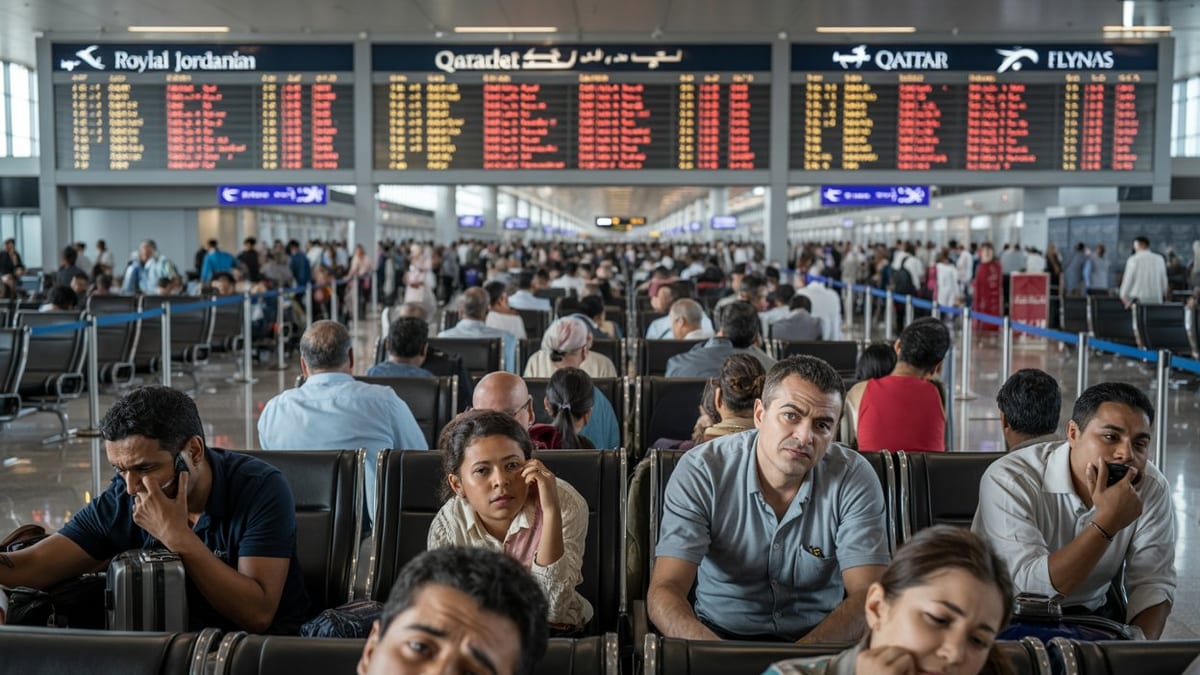
Major Hub Sees Cascading Disruptions Across U.S. Network
Charlotte Douglas International Airport functions as one of the country’s busiest hubs and a central connection point for travelers heading to and from the East Coast, Midwest, and Sun Belt. Publicly available airport and aviation data indicate that the cluster of 181 delayed flights and a single cancellation created a noticeable ripple across the broader U.S. network on Sunday, as aircraft and crews arrived late into connecting cities.
Reports from flight-status tracking platforms show that the slowdown in Charlotte affected departures and arrivals across multiple time blocks, with delays mounting as the day progressed. As aircraft missed their scheduled turns, knock-on effects were recorded on subsequent legs, leaving some travelers facing extended waits in terminals and on tarmacs.
The disruptions hit at a time when Charlotte Douglas has consistently ranked among the nation’s busier airports by operations, intensifying the impact on passengers using the airport as a connection point. Even a modest number of delayed departures can translate into widespread inconvenience when a hub is handling hundreds of daily movements and tight connection windows.
According to historical performance analyses for large U.S. hubs, Charlotte has seen a significant share of flights arrive or depart later than scheduled in recent years. That background of heavy utilization and challenging on-time performance meant Sunday’s cluster of delays quickly translated into hours of uncertainty for travelers trying to make their next flights.
American, Delta, United and Others Face Operational Strain
American Airlines, which operates a large share of flights at Charlotte Douglas, was among the carriers most visible in Sunday’s disruption, with many of the delayed flights tied to its domestic and international network. Published schedules show Charlotte as a linchpin in American’s route map, so any operational turbulence there can reverberate widely for the airline’s passengers.
Delta Air Lines and United Airlines, while maintaining smaller footprints at Charlotte compared with American, were also listed among the affected carriers. Public flight-status feeds showed delays across several of their regional and mainline services, underlining how conditions at a single hub can affect airlines that rely on it for connections, even if it is not their primary base.
Other carriers with more limited service to Charlotte, including low-cost and regional operators, appeared in delay tallies as well, though to a lesser extent. For travelers on those routes, even a single delayed flight can significantly alter plans, particularly where frequencies are low and same-day alternatives are scarce.
Operational analyses commonly highlight how delays at one major airport can spread as aircraft and crews propagate through the system. The situation in Charlotte on Sunday fit that pattern, as aircraft scheduled to continue on to other cities departed late, compounding the disruption for passengers already en route to their final destinations.
Key Routes to New York, Los Angeles, Chicago, Miami and Atlanta Affected
As the disruption unfolded, major domestic routes linking Charlotte to New York, Los Angeles, Chicago, Miami and Atlanta saw a series of late departures and arrivals. Data from route-level tracking tools showed departure pushes and extended taxi times on some of these heavily traveled corridors, which are vital for both business and leisure travelers.
Connections to New York and Chicago are especially important for passengers using Charlotte as a bridge between smaller regional airports and large coastal or Midwestern cities. When flights on these routes begin operating behind schedule, missed connections can cascade quickly, stranding travelers who depend on tightly timed itineraries.
Transcontinental services to Los Angeles, as well as high-demand leisure routes to Miami, also appeared in delay logs. Because these flights often operate with limited daily frequencies, a significant delay can mean travelers arrive late into the night or are forced to rebook for the following day if onward connections are no longer feasible.
Services to Atlanta, another major U.S. hub, were part of the disrupted pattern as well. When links between two large hubs are slowed, the effect can extend far beyond the cities themselves, since both airports act as central nodes feeding flights throughout the country and abroad.
International Links and Long-Haul Connections Disrupted
Although the majority of affected flights involved domestic routes, publicly available scheduling information indicates that international and long-haul connections were also caught in the delays. For travelers arriving from overseas and relying on Charlotte to connect onward to cities such as New York, Chicago or Miami, even moderate disruption can lead to missed onward flights and overnight stays.
International itineraries tend to be more complex and less flexible than domestic trips, with fewer daily frequencies and limited options for same-day rerouting. When a hub experiences the kind of widespread delay pattern seen at Charlotte, these constraints become more pronounced, particularly for travelers without direct alternatives.
Industry analyses frequently note that long-haul connections are especially vulnerable to disruption when schedule buffers are tight. Sunday’s events in Charlotte highlighted this vulnerability, as delayed transatlantic and Latin American arrivals translated into rushed or missed connections for passengers seeking to continue deeper into the U.S. network.
For travelers already in transit, the combination of delayed inbound flights and busy afternoon and evening departure banks in Charlotte meant that rebooking options could be constrained. Passengers on more lightly served routes, including some international destinations, faced limited choices for reaching their final stops on the same day.
Travelers Face Long Waits, Rebookings and Limited Alternatives
Accounts shared on social platforms and message boards on Sunday and in recent weeks describe long lines at customer service counters, crowded gate areas and a general sense of uncertainty as travelers waited for updated departure times in Charlotte. While individual experiences varied, many references point to extended waits and last-minute schedule changes.
For some travelers, especially those bound for New York, Los Angeles, Chicago, Miami and Atlanta, alternative flights were available but often involved lengthy layovers or late-night arrivals. Others on regional or less frequent routes appeared to face more difficult choices, including overnight stays or rerouting through other hubs at short notice.
Consumer-travel guidance commonly recommends checking flight status repeatedly on days when a major hub is experiencing operational issues, and Sunday’s events in Charlotte underscored the value of that advice. As departure times shifted, travelers who were able to monitor updates and request earlier or later alternatives sometimes secured more favorable outcomes than those who waited until boarding times approached.
With Charlotte Douglas continuing to serve as a critical connective point in the U.S. air network, the episode illustrates how even a single day of heightened delays and minimal cancellations can have an outsized impact on passengers. The pattern at the airport on Sunday highlights the importance of resilient scheduling, clear communication and contingency planning for both airlines and travelers navigating one of the country’s busiest hubs.