


More news on this day
Air traffic across Europe faced another bruising day of disruption as more than 2,400 flight delays and 187 cancellations rippled through major hubs, with Barcelona’s Josep Tarradellas Barcelona El Prat Airport emerging as one of the most affected gateways on key intra-European routes.
Get the latest news straight to your inbox!
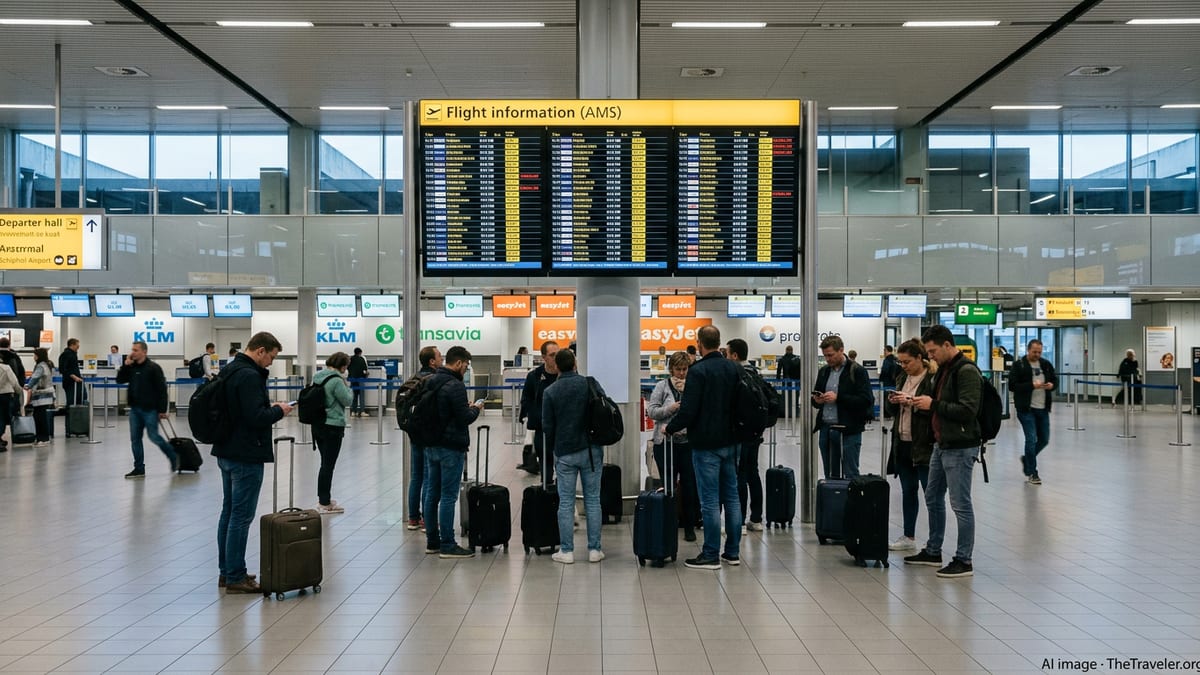
Barcelona Emerges As A Bottleneck In A Chaotic Travel Day
According to operational data compiled from flight-tracking platforms and airport status boards, Barcelona recorded 2,439 delays and 187 cancellations linked directly or indirectly to movements through its terminals and associated routes. The disruption hit short-haul European links particularly hard, creating knock-on effects for connections across Spain, France, Italy, the United Kingdom and Germany.
Publicly available information on air traffic volumes highlights why the Catalan hub feels the impact so acutely. Barcelona El Prat is one of Europe’s busiest airports by passenger numbers and movements, with dense schedules dominated by high-frequency European services. When even a small portion of those rotations fall out of sync, the result is a cascading pattern of delays that can quickly swell into the thousands of affected flights across the wider network.
Reports from passengers and aviation watchers indicate that the disruption was not confined to a single carrier. Large network airlines, low-cost operators and regional carriers all registered late departures, missed slots and, in some cases, outright cancellations of services to and from Barcelona. The pressure on the airport’s tightly timed turnarounds meant that aircraft arriving late were frequently unable to depart on schedule, compounding the backlog through the afternoon and into the evening.
Travel advisories issued through airline channels urged passengers flying via Barcelona to allow additional time at the airport and to monitor their booking status closely. Anecdotal accounts described crowded gate areas, long queues at service desks and rebooked itineraries that routed passengers through alternative hubs across the continent.
Network Knock-On Effects Across Europe’s Major Hubs
The disruption centered on Barcelona reverberated widely across the European aviation network. Heavily trafficked corridors linking Barcelona with hubs such as Madrid, London, Paris, Amsterdam, Rome and Palma de Mallorca experienced repeated schedule changes as airlines tried to reposition aircraft and crews.
Operational statistics from European air navigation and punctuality reports show that airports like Barcelona are already among the continent’s more delay-prone hubs, particularly during peak travel months when capacity is stretched. When irregular events occur, the margin for recovery is narrow, so issues in one sector can rapidly trigger broader network delays as aircraft and crews fail to reach their next scheduled legs on time.
On the day of disruption, flight boards at several major European airports showed clusters of late arrivals and departures on services either originating in or bound for Barcelona. This included early-morning rotations that set the tone for the rest of the day, as well as late-night departures that were held back or canceled altogether when aircraft could not be turned in time or when local curfews loomed.
Passengers traveling on multi-leg journeys often felt the impact most acutely. Missed connections in cities like Paris, Frankfurt or London meant that relatively short primary delays out of Barcelona translated into overnight stays or full-day setbacks further down the itinerary, with rebookings sometimes pushing travelers onto flights the following day.
Multiple Factors Behind The Surge In Delays And Cancellations
While a single, clear-cut cause has not been identified, publicly available operational and regulatory information points to a familiar combination of factors behind the spike in delays and cancellations affecting Barcelona and other European hubs. Air traffic flow management constraints, capacity bottlenecks, intermittent weather issues along key routes and tight crew resourcing have all been cited in prior analyses as contributors to similar disruption patterns.
European air traffic management reports in recent seasons have repeatedly highlighted capacity and staffing limitations in certain control sectors, including those serving busy Mediterranean corridors. When demand is high, even moderate weather systems or congestion elsewhere in the network can trigger slot restrictions that slow departures and force airlines to adjust schedules throughout the day.
Airlines are also operating in an environment where aircraft and crew utilization is finely tuned. A late inbound arrival into Barcelona can render an aircraft and its crew unavailable for an onward sector without infringing duty-time rules, prompting schedule reshuffles or cancellations. Once cancellations begin to remove aircraft from the roster, spare capacity to absorb further shocks becomes limited, and delays lengthen as the day progresses.
Industry observers note that while individual disruptions may appear localized, the interconnected nature of Europe’s airspace means that problems rarely stay contained. Flights that start or end in Barcelona often operate as part of complex multi-sector rotations. A delay on an early flight can echo across cities hundreds of miles away by the evening, even for travelers who never set foot in Spain.
Travelers Face Missed Connections, Overnight Stays And Re-Routing
For passengers on the ground, the statistics translated into crowded terminals, missed events and, in many cases, improvised plans. Social media posts and traveler forums described queues at customer service counters stretching across concourses as people sought hotel vouchers, rebookings or information on alternative routing options.
Some travelers reported being rerouted through secondary hubs or on indirect itineraries that added several hours to their journey times. Others described waiting for luggage that failed to arrive on disrupted flights, or being separated from checked bags that were later forwarded on different services. These individual experiences reflected the wider strain on airline and airport operations attempting to manage tens of thousands of affected passengers within a single day.
Travel guidance derived from both consumer-rights resources and airline communications encouraged passengers to keep digital copies of boarding passes and receipts, to document delays carefully and to be proactive about seeking rebooking options through mobile apps and online channels when airport desks were overwhelmed. Given the volume of cases and constrained staffing, many travelers found that managing changes electronically, where possible, helped them secure seats on the limited remaining flights.
Accommodation around major hubs such as Barcelona, Madrid and Paris reportedly tightened as airlines issued hotel vouchers and independent travelers sought last-minute rooms. For those without immediate alternatives, in-terminal overnight stays became an unavoidable part of the disruption.
What The Disruption Means For Summer And Autumn Travel Plans
The latest wave of delays and cancellations adds to growing concerns among travelers and industry watchers about the resilience of Europe’s air transport system during high-demand periods. Data from recent punctuality reports and air traffic analyses has already shown that several large European hubs, including Barcelona, operate with slim buffers during peak summer travel windows.
For travelers planning trips over the coming weeks, publicly available advice drawn from airline, regulator and consumer advocacy guidance emphasizes building extra time into itineraries where possible. That includes allowing generous connection windows, avoiding extremely tight same-day links between separate tickets and considering earlier departures on days when critical events or cruises are scheduled.
Industry sources also highlight the importance of staying alert to schedule changes in the days before departure. Airlines sometimes adjust timings or consolidate flights even before the day of travel in an effort to manage capacity and reduce the risk of last-minute cancellations. Monitoring booking details, enabling flight-status alerts and confirming airport terminal information can help travelers adapt more quickly if adjustments occur.
Although the 2,439 delays and 187 cancellations recorded around Barcelona and associated routes represent an acute spike, analysts note that irregular operations of this scale are no longer rare outliers in Europe’s congested skies. For many travelers, building flexibility and contingency planning into their trips is becoming an essential part of flying to, from or through the continent’s busiest hubs.