


More news on this day
With shallow turquoise coves, chalk white sands and a growing web of low cost connections, Menorca is increasingly being framed as Spain’s “hidden Caribbean” for travelers chasing pristine beaches without long haul prices.
Get the latest news straight to your inbox!
Caribbean Hues on a Mediterranean Island
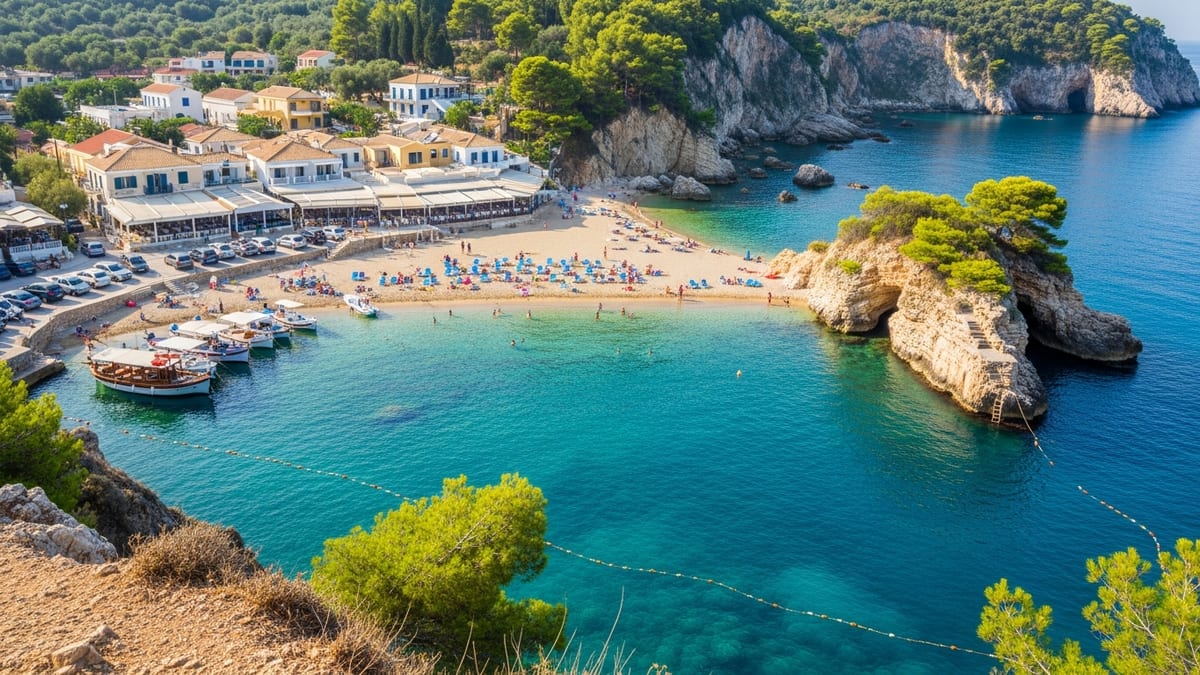
Travel imagery circulating across European media and social platforms is pushing Menorca into the spotlight as a quieter, more unspoiled alternative to its Balearic neighbors. Aerial shots of horseshoe coves, pine fringed cliffs and luminous shallows often draw instant comparison with Caribbean landscapes, despite the island sitting firmly in the western Mediterranean.
Many of Menorca’s best known beaches are small, sheltered inlets carved into limestone, which helps produce the vivid blue and green tones visitors associate with tropical islands. Fine, pale sand and a predominance of low rise development around much of the coastline reinforce the sense of a place that has escaped the intense resort construction seen elsewhere in Spain.
The island’s status as a UNESCO Biosphere Reserve, granted in the 1990s, has kept large stretches of shoreline under protection, limiting building and preserving dunes, wetlands and forests that back the beaches. For travelers, this means that even popular spots often retain a wild edge, with access by coastal path or unpaved track rather than a strip of tower hotels.
As international tourism rebounds and diversifies, Menorca’s combination of Caribbean style scenery and Mediterranean culture is gaining traction with visitors seeking sun and sea without long haul flight times or intercontinental budgets.
Pristine Coves and Protected Coastline
Current tourism promotion materials emphasize the density of high quality bathing spots around Menorca’s relatively compact perimeter. The south coast is widely highlighted for beaches that resemble Caribbean bays, with shallow shelves of clear water, soft sand and sheltered conditions that appeal to families and swimmers.
On the more rugged north coast, smaller coves framed by reddish and darker rocks offer a contrasting landscape that remains largely undeveloped. Publicly available destination data shows that coastal protection rules and biosphere zoning have restricted large scale building along many of these stretches, preserving sightlines and limiting visual intrusion on the seascape.
Reports from local tourism bodies indicate that visitor management plans now focus on dispersing tourists across lesser known beaches and shoulder season months to ease pressure on iconic coves during peak summer. Signage, parking controls and online information about trail access are being used to guide travelers toward varied sections of the coast rather than a handful of famous spots.
Travel coverage also notes that Menorca’s network of walking routes, including the restored coastal path encircling the island, offers access to remote bays without the need for extensive infrastructure. This balance of accessibility and protection is a key factor in maintaining the “hidden paradise” image while still expanding the tourism season.
Low Cost Carriers Drive New Connectivity
Menorca’s emergence as a holiday hotspot is being accelerated by a wave of new and expanded air links across Europe. Tourism promotion materials presented at recent travel trade fairs highlight that the island is on track to be connected to dozens of short haul destinations through a mix of traditional and low cost airlines.
Published updates from European carriers show that 2025 and 2026 schedules include new seasonal services from cities such as Milan, Lyon, Nantes, Brest and several UK airports, as well as additional routes from central and eastern Europe. Low cost operators are playing a central role, with Wizz Air, for example, announcing a Budapest Menorca service due to start in June 2026, alongside a separate Warsaw connection launched this spring.
Regional airlines are also feeding demand from within Spain. Air Nostrum has promoted Menorca in its expanded summer operations, while other carriers have reopened or extended links from mainland cities to support the island’s push toward a longer tourism season. Industry analysis indicates that overall seat capacity to the Balearics is climbing in the first half of 2025 and into 2026, even as some routes elsewhere in Spain face reductions.
These developments reinforce Menorca’s position as a reachable “exotic” destination for European travelers. Flight times from many hubs remain under three hours, but the marketing message emphasizes water color and beach quality more typically associated with tropical islands.
Unbeatable Flight Deals Put Menorca Within Easy Reach
The surge in capacity is translating into eye catching promotional fares. Recent fare roundups on European deal sites and travel forums have highlighted return flights from London to Menorca advertised from under 40 pounds on selected dates, particularly outside the core school holiday weeks. Similar promotional pricing is appearing from other UK and European cities as airlines compete to fill early and late season seats.
Dynamic pricing means the lowest offers are highly date specific, but publicly available booking data suggests that the combination of increased competition and greater route diversity is keeping average fares to Menorca comparatively low against other Mediterranean islands with similar beach reputations. Travelers who can be flexible on departure day and travel in May, June, September or early October are currently seeing the strongest discounts.
Industry commentary points out that flash sales and limited time promotions have become a standard tool for low cost and leisure carriers across Europe. Menorca, benefiting from this wider trend, frequently appears near the top of weekly lists of bargain sun destinations, drawing in travelers who might previously have looked first to mainland Spanish coasts or the Canary Islands.
As long as fuel prices and airport charges remain relatively stable, analysts expect airlines to continue using aggressive pricing on Menorca routes to stimulate demand beyond the peak summer weeks and support the island’s ambition for a longer, more even tourism season.
Planning a Menorca Getaway in 2026
For travelers considering Menorca in 2026, current information points to a larger window of convenient flight options than in previous years. Schedules released so far show more departures in April and early May and a longer tail of services into October, broadening the range of viable travel dates beyond the traditional July and August peak.
Tourism authorities continue to position the island as a low impact, nature focused destination, which in practice means that even with increased air links, nightlife and built up resort areas remain limited compared with some other Spanish islands. Visitors enticed by the “Caribbean” label are being encouraged through official messaging to explore inland trails, prehistoric sites and small towns, distributing spending more evenly across the island.
Given the rapid evolution of airline schedules and pricing, prospective visitors are advised by consumer travel outlets to monitor fares over several weeks, set alerts with their preferred carriers and remain open to flying midweek for better deals. Booking accommodation early in smaller coastal villages is also recommended, as room inventory in the most picturesque bays is finite and can sell out even when flights remain competitively priced.
With its distinctive mix of Caribbean style coves, Mediterranean culture and expanding network of low cost connections, Menorca is poised to remain one of Spain’s standout beach stories for the 2026 season and beyond.