


More news on this day
Meridian Regional Airport in east Mississippi is entering one of its busiest summer periods in recent years, rebounding quickly from short-lived spring travel delays that highlighted both growing demand and the limits of existing infrastructure.
Get the latest news straight to your inbox!
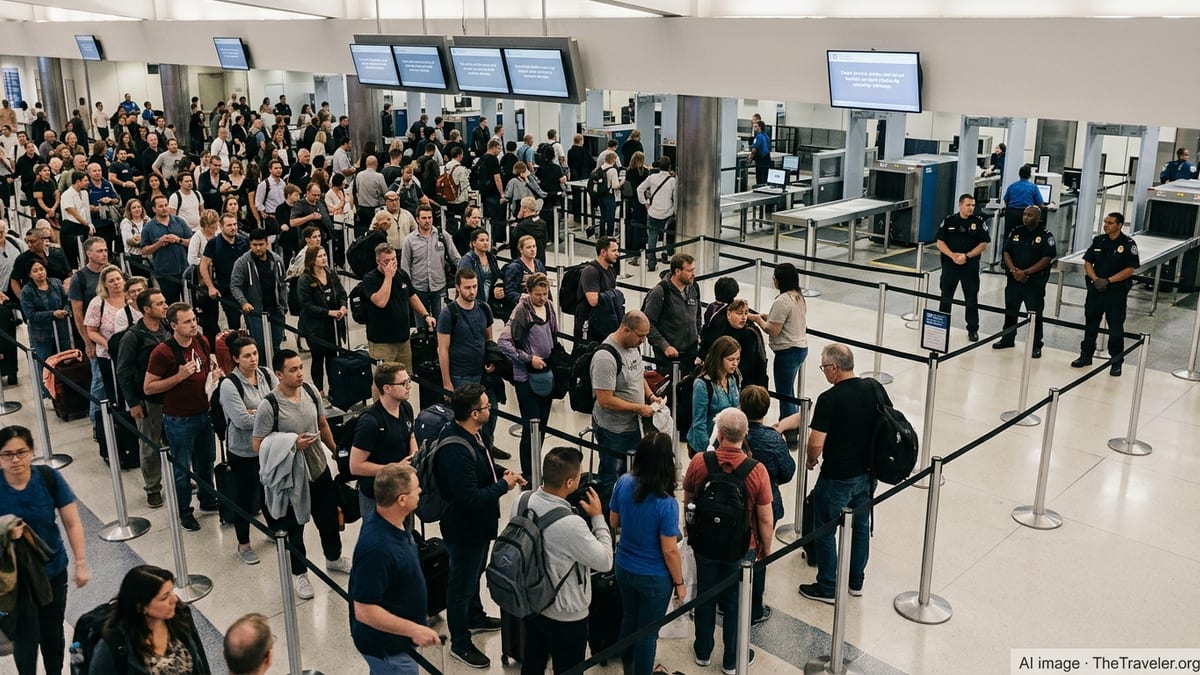
Passenger Growth Sets the Stage for a Busy Summer
Meridian Regional Airport, also known as Key Field, has been trending upward for several seasons, with federal data and state-level analyses pointing to sustained gains in passenger traffic. Preliminary Federal Aviation Administration figures for calendar year 2025 show more than 19,000 enplanements at Meridian, an increase of roughly 12 percent over 2024. That growth rate places the airport among Mississippi’s faster-rising commercial facilities, even if overall volumes remain modest compared with larger hubs.
Earlier state presentations on airport performance underscore how quickly Meridian’s traffic has expanded. A Mississippi Airports Association briefing using federal transportation filings indicated that Meridian’s passenger totals in mid-2025 were up by about 23 percent compared with the same point a year earlier. That jump, while from a relatively small base, signaled a clear recovery in local air travel and growing reliance on Meridian as a launch point for regional and national trips.
This upward trajectory has fed directly into the current summer travel season. Nationally, aviation data and airport statements describe strong leisure demand and solid business travel, a pattern that appears to be mirrored in Meridian’s catchment area. The combination of pent-up travel interest and stable airline offerings has helped push the airport toward one of its busiest warm-weather stretches in recent memory.
Local coverage and industry reports suggest that Meridian’s role as a convenient alternative to larger Mississippi and Gulf Coast airports is becoming more visible. Travelers weighing long drives to distant hubs against shorter commutes and easier parking often see Meridian as an attractive option during peak vacation months.
Spring Delays Reflect Strain on Small-Airport Systems
The run-up to this robust summer was not entirely smooth. In early spring, news coverage of regional air travel pointed to pockets of disruption, with Meridian among the smaller airports feeling the effects of an unusually intense travel period. Reports from March described how a surge in spring break demand, combined with tight airline and crew schedules, contributed to scattered delays across segments of the network that serve east Mississippi.
Those disruptions were generally described as limited in duration, unfolding over a relatively short window as airlines worked to reposition aircraft and adapt to weather and traffic constraints elsewhere in the system. Publicly available commentary linked the slowdown less to local operational missteps and more to the ripple effects of strong national demand, tight capacity, and intermittent storms that complicated on-time performance.
Travelers using Meridian during that period encountered some longer waits at departure gates and occasional schedule adjustments, according to local media descriptions. However, there was no indication of sustained or systemic gridlock. Instead, the spring experience at Meridian resembled what many smaller regional airports faced: brief stress points when national conditions and school holiday calendars converged, followed by relatively swift normalization.
Industry observers note that such episodes can be particularly visible at compact facilities where a small number of daily flights represent a significant share of capacity. When even one or two departures encounter disruptions, the impact on perceived reliability can appear larger than at major hubs, even if the actual number of affected passengers is comparatively small.
New Terminal Project Aims to Match Rising Demand
The spring travel hiccups have added urgency to ongoing infrastructure work at Meridian Regional Airport. Local broadcast coverage in June highlighted progress on a new passenger terminal, which is currently scheduled to open in January 2027. Airport leaders have presented the project as a key step in aligning facilities with both current and anticipated passenger volumes.
Reports indicate that the airport complex already plays an outsized role in the local economy, with one recent analysis pegging its economic impact at roughly 310 million dollars, or about 4.6 percent of Lauderdale County’s gross domestic product. That figure reflects not only commercial flights but also general aviation, on-site businesses, and aviation-related employment.
The new terminal is expected to replace older facilities with a more modern layout, additional passenger amenities, and an updated security and boarding experience. While specific design details vary across public descriptions, the project is consistently framed as an investment made possible by federal funds, state support, and local backing, in line with programs aiding similar regional airports nationwide.
As summer traffic builds, the construction work serves as a visible reminder to travelers that today’s congestion is part of a broader transition. The existing terminal continues to operate while crews prepare the next phase, and travel reports suggest that airport planners are attempting to manage near-term growth without compromising long-range modernization.
Regional Context: Small Airports See Parallel Trends
The pattern unfolding at Meridian fits within a wider story across secondary and regional airports in the United States. FAA passenger statistics for 2025 show a number of non-hub facilities posting double-digit percentage growth as travelers seek alternatives to crowded metropolitan hubs. In Mississippi alone, several regional airports have reported increases in enplanements, underscoring how air service is spreading more evenly across the state’s geography.
Elsewhere in the country, airports of similar size have described a combination of record or near-record passenger counts, occasional bottlenecks during holiday peaks, and an active pipeline of terminal upgrades. Public releases from airports in markets such as Monterey, Idaho Falls, and Reno detail comparable themes: strong leisure travel, evolving airline route maps, and new or renovated terminals timed to handle expected demand over the next decade.
For Meridian, these parallels provide a useful benchmark. While the airport’s daily traffic remains modest compared with larger regional competitors, its growth rates, infrastructure ambitions, and episodic challenges align closely with broader trends in the small-airport segment. Travel analysts suggest that as long as consumer demand remains resilient and airlines continue to see value in serving secondary markets, facilities like Meridian are likely to remain on an upward trajectory.
Looking ahead to the remainder of the 2026 summer season, publicly available indicators point to continued strong travel interest, even as airlines adjust schedules and capacity in response to operational constraints. For Meridian Regional Airport, the combination of booming summertime travel and lessons learned from spring delays appears to be shaping both day-to-day operations and longer-term plans for a more capable terminal and a steadily growing passenger base.