


More news on this day
Merseyrail, the electric rail network serving Liverpool and surrounding communities, is entering a decisive new phase as new trains, evolving expansion plans and a potential shift to public control converge in 2026.
Get the latest news straight to your inbox!
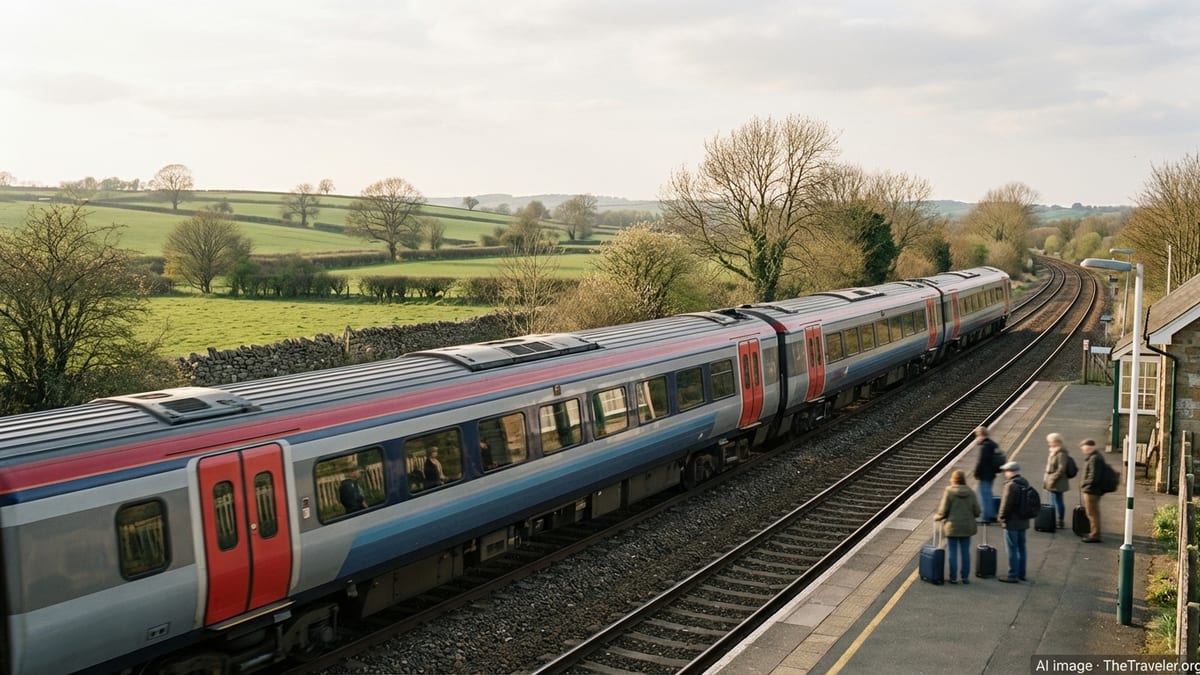
Modern Class 777 Fleet Redefines the Merseyrail Experience
Merseyrail has now completed the transition to its new fleet of Class 777 trains, replacing the long-serving Class 507 and 508 units that defined the network for decades. Publicly available information from the operator indicates that the 777s are now the only trains in daily use on the network, marking a significant milestone in a modernisation programme years in the making.
The new trains are designed with level boarding, open gangways and upgraded passenger information systems to streamline boarding and reduce dwell times at busy central Liverpool stations. Layouts include dedicated areas for wheelchairs, bicycles and pushchairs, reflecting a broader push across the city region to make rail more accessible and attractive as an everyday transport option.
The Class 777s are also central to Liverpool City Region’s strategy to introduce cleaner, more efficient rolling stock. The fleet has been procured with provision for battery technology, allowing services to operate beyond the existing third-rail network without immediate electrification of new routes. That capability is already shaping discussions about how far Merseyrail could ultimately reach into currently unserved areas.
Operationally, the new trains are being integrated into high-frequency, metro-style services on the Northern and Wirral lines. Passenger commentary and recent coverage suggest that the 777s have steadily become a familiar sight across the network’s core corridors, providing a consistent brand and on-board experience as the region prepares for the next stage of rail reform.
Headbolt Lane and the Skelmersdale Question
The opening of Headbolt Lane station in Kirkby in October 2023 remains one of the most visible recent changes on the Merseyrail map. The station was conceived as a new northern terminus for the Northern line’s Kirkby branch and as a stepping stone toward reconnecting Skelmersdale, a large town without a rail station, to the wider network.
Headbolt Lane has been built as a fully accessible interchange, with three platforms designed to handle Merseyrail services and diesel operations on the unelectrified line towards Wigan. A bus interchange links the station to surrounding communities, including services into Skelmersdale, supported by integrated ticketing products that combine bus and rail in a single fare. Regional documents describe the station as an important testbed for deploying battery-equipped Merseyrail trains on non-electrified sections.
Despite the step forward at Headbolt Lane, Skelmersdale itself remains without a direct heavy rail connection. Long-running options to extend Merseyrail’s Northern line from the new terminus towards Skelmersdale, potentially using battery power instead of new third-rail infrastructure, are still at the development and business-case stage. Reports and strategy papers from local authorities outline aspirations for a new station serving the town, but no construction timetable has yet been confirmed.
In the meantime, a dedicated bus link branded as a train connection continues to bridge the gap between Skelmersdale and the Merseyrail network, allowing passengers to buy combined tickets and transfer at Headbolt Lane. For residents of West Lancashire and visiting travellers, that hybrid model offers an interim solution while policymakers debate the cost and benefits of pushing rails, and not just buses, back into the town.
Travel Updates and a Busy Summer on the Network
As the peak summer season progresses, Merseyrail services are operating against a backdrop of concentrated engineering work across the North West rail system. Recent travel bulletins from regional transport bodies show that, while heavy works have been scheduled on some long-distance routes and at key junctions, Merseyrail’s core lines have seen comparatively limited planned disruption in late July.
Weekly travel updates covering the Liverpool City Region indicate that there were no major engineering blockades on the Northern line during the period from 19 to 25 July 2026, with trains largely running to the usual pattern. By contrast, other operators in the wider region have continued to publish warnings about closures and diversions tied to infrastructure upgrades and maintenance on main lines into Manchester and beyond.
Merseyrail has also highlighted its performance during major events earlier in the year, including heavy demand around the Grand National Festival. According to information released by the operator, more than 100,000 journeys were made over the three-day racing fixture, underscoring the role of the self-contained urban network in moving large crowds between central Liverpool and outlying stations without reliance on the national timetable.
For visitors to the city region, the current pattern means a relatively stable local rail offering this summer, even as longer-distance journeys may involve replacement buses or revised schedules. Travellers are still being advised in public guidance to check journey planners before departure, particularly when combining Merseyrail trips with mainline services into or out of the region.
Public Control Proposal Signals a Shift in Governance
While rolling stock and stations attract much of the passenger attention, a significant governance debate is unfolding around who will run Merseyrail services in the next decade. In July 2026, the Liverpool City Region’s mayor set out a proposal for the Combined Authority to take Merseyrail services into public control when the current operating concession ends in 2028.
A report prepared for the Combined Authority recommends that the city region move away from the existing concession model and assume direct responsibility for Merseyrail operations. Publicly available statements surrounding the proposal argue that a publicly controlled operator would make it easier to align trains with wider transport policies, including bus reform, active travel investment and future fare integration across modes.
The potential change would put Merseyrail alongside a growing list of urban rail systems where local or national public bodies oversee both infrastructure and operations. For Liverpool City Region, backers of the move present it as a way to ensure that the substantial investment in the Class 777 fleet, new stations such as Headbolt Lane and proposed extensions delivers maximum benefit for residents rather than primarily focusing on contractual performance targets.
The proposal is at the recommendation stage, with further discussion required before any final decision is made. However, the direction of travel is clear: by the time the current concession expires in 2028, Merseyrail could operate under a fundamentally different management structure, reshaping how future service patterns, pricing and expansion plans are decided.
What the Changes Mean for Travellers
For day-to-day passengers, the immediate impact of these developments is felt most clearly in the on-board environment and at new or upgraded stations. The widespread deployment of Class 777 trains has changed the feel of journeys across the compact network, improving accessibility and increasing space on some of the busiest sections during peak hours and major events.
The continued focus on Headbolt Lane and links to Skelmersdale underlines the city region’s interest in extending Merseyrail’s reach beyond its traditional boundaries. Even without new rails in place, the bus-and-rail combination offered at the Kirkby terminus has broadened options for travellers in parts of Lancashire who previously faced longer, more fragmented journeys into Liverpool.
Looking ahead, the debate over public control is likely to influence how quickly further changes arrive. A locally controlled operator could prioritise frequent, turn-up-and-go services, additional stations on suburban branches and more integrated fares with buses and ferries, but would also carry the financial risks associated with running a modern rail system.
As these choices are weighed in the coming years, Merseyrail will continue to serve as the backbone of Liverpool City Region’s public transport network. For both residents and visitors, the combination of new trains, evolving expansion plans and potential governance reform suggests that the network of 2028 may look and feel markedly different from the one they know today.