


More news on this day
Miami International Airport faced a fresh wave of disruption on June 30, with publicly available tracking data showing more than 110 delayed flights and at least eight cancellations affecting passengers traveling across the United States, Latin America, the Caribbean and Europe.
Get the latest news straight to your inbox!
Wide Mix of Airlines Caught in Miami Disruption
Data from flight tracking and airport operations platforms on June 30 indicate that the disruption at Miami International Airport is spread across a broad range of carriers. Major U.S. airlines including American Airlines and its regional affiliate Envoy Air, United Airlines and Delta Air Lines have recorded a notable share of the delays and cancellations. International operators serving Miami, among them Lufthansa, British Airways and Air Canada Rouge, are also listed among affected airlines.
Miami acts as a critical hub for American and Envoy Air and an important gateway for United and Delta, meaning schedule issues at the airport can quickly ripple through their networks. Flight status pages for transatlantic departures to European cities such as Barcelona and Milan show pushed-back departure and arrival times, while services to major Latin American cities including Buenos Aires and other long-haul destinations have also logged delays.
Regional and leisure-focused services have not been spared. Flights linking Miami to Caribbean islands and to secondary U.S. cities have reported late departures, extended ground times and altered arrival estimates, increasing the risk of missed connections for travelers heading onward to Europe or South America.
Miami-Dade aviation statistics published in recent months highlight just how many airlines feed into the airport on a typical day. American, Envoy, United, Delta, Lufthansa, British Airways and Air Canada are among nearly one hundred passenger and cargo operators that serve the facility, meaning operational strain at Miami can affect a diverse mix of domestic and international carriers.
Knock-on Effects Felt Across the United States
The delays and cancellations recorded at Miami International are contributing to wider disruption across the U.S. air travel system. Publicly available delay summaries for the national airspace show elevated congestion at several large hubs, and flight-tracking services list late departures and arrivals on routes linking Miami with New York, New Jersey, Texas and other major states.
When flights from Miami depart late, aircraft and crews often arrive behind schedule into other airports, weakening their ability to operate subsequent services on time. This compound effect is particularly visible on hub-to-hub links, where a delayed Miami departure to cities such as Newark or Dallas can trigger missed connections and further delays on domestic legs and onward international sectors.
Industry data from earlier in June already pointed to a tightly stretched U.S. system, with thousands of daily delays during periods of severe weather and operational strain. The latest issues at Miami arrive in that context, adding another pressure point at a time when carriers are operating near peak summer capacity.
Travelers on domestic routes have reported extended times on the tarmac and at the gate as airlines adjust schedules and wait for connecting passengers. According to recent consumer accounts and airline performance analyses, even relatively modest delays of 30 to 60 minutes can have outsized consequences when aircraft and crews are scheduled with little slack.
Latin America and Caribbean Routes Face Rolling Disruptions
Miami is a primary gateway between the United States, Latin America and the Caribbean, and the latest wave of delays underscores how closely these markets are tied to the airport’s performance. Flight status data for services bound for South American cities show revised departure times and updated next-day arrival estimates, indicating overnight knock-on effects for travelers heading south from Florida.
Similar patterns appear on routes from Miami to Caribbean destinations, where regional and leisure carriers often operate tight turnarounds. When an aircraft arrives late from an island destination, its onward return to Miami can be delayed, further complicating schedules for passengers aiming to connect to North American or European flights.
Recent analyses of Miami’s traffic patterns by aviation and passenger-rights organizations describe how these regional flows amplify disruption. Many travelers from smaller Caribbean and Latin American airports depend on a single daily Miami connection. A delay or cancellation at the Florida hub can therefore mean long rebooking queues and limited same-day alternatives.
Some consumer advocacy outlets have noted that disruptions on these routes can be especially challenging for families and travelers on tightly budgeted itineraries. With fewer competing carriers on certain city pairs, options to reroute via other U.S. or Latin American hubs may be limited or more expensive, extending the practical impact of each delayed or canceled flight.
European Departures from Miami Struggle to Stay on Schedule
Long-haul links between Miami and major European cities have also been drawn into the latest bout of travel chaos. Real-time departure boards show Miami flights to key European hubs operating behind schedule, with updated times posted for departures and arrivals on services to cities such as Barcelona, Milan and others served by American and partner airlines.
European flag carriers operating from Miami, including Lufthansa and British Airways, are listed in recent disruption tallies as facing schedule challenges on certain days this month. These carriers rely on carefully timed overnight services to feed their own connection banks in Frankfurt, London and other hubs, so a delayed departure from Miami can cascade into missed early-morning links across Europe.
Passenger-rights platforms monitoring recent Miami disruption have highlighted long-haul services as a particular source of stress for travelers. Late-night departures that slip into the early hours can lead to crew duty-time limits, aircraft swaps or last-minute cancellations, while aircraft that arrive late in Europe can force rebookings across multiple onward flights.
Analysts note that summer 2026 transatlantic demand remains strong, with many flights departing near capacity. When a long-haul departure from Miami is delayed or canceled, finding spare seats on alternative services the same day can be difficult, stretching airline and airport resources as they work through rebooking backlogs.
Travelers Confront Crowded Terminals and Limited Options
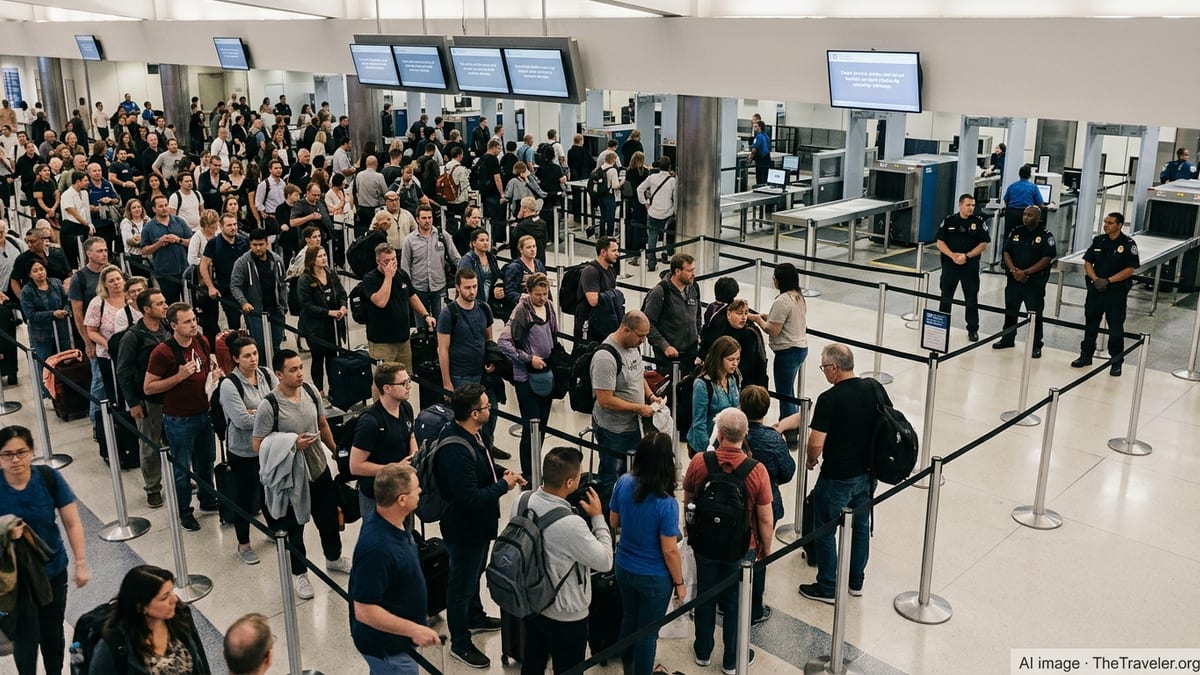
For passengers on the ground at Miami International, the statistical picture translates into crowded terminals, long customer-service lines and uncertain departure times. Social media posts and traveler accounts in recent months describe extensive queues at airline counters and security checkpoints as multiple delayed flights funnel passengers into the same parts of the terminal.
Operational bulletins and airport status pages indicate that Miami, like many major U.S. hubs, must balance air traffic management initiatives, weather-related constraints and resource limitations on the ground. Even when the official delay programs list relatively modest holding times, a series of minor slowdowns can accumulate into major schedule disruptions by late afternoon and evening.
Consumer advocates urge travelers using Miami and other busy hubs to monitor flight status frequently, build extra time into connections and familiarize themselves with airline rebooking and compensation policies. Publicly available guidance notes that passengers on flights to and from Europe may have access to additional protections and potential compensation under European Union rules when traveling on European carriers or departing from EU airports.
With peak summer travel underway and Miami continuing to function as one of the main gateways between North America, Latin America, the Caribbean and Europe, aviation data suggest that even a single day of heavy delays and cancellations can echo through global schedules for several more days. Passengers planning to travel through the airport in the coming week are being advised in public reports to prepare for crowds, check-in early and keep alternative routing options in mind.