


More news on this day
After an Amazon-branded cargo jet overran a runway and crashed at Miami International Airport on September 6, many travelers with flights to or from MIA are now facing delays, diversions, and fast-changing schedules while the investigation and clean-up continue.
Get the latest news straight to your inbox!
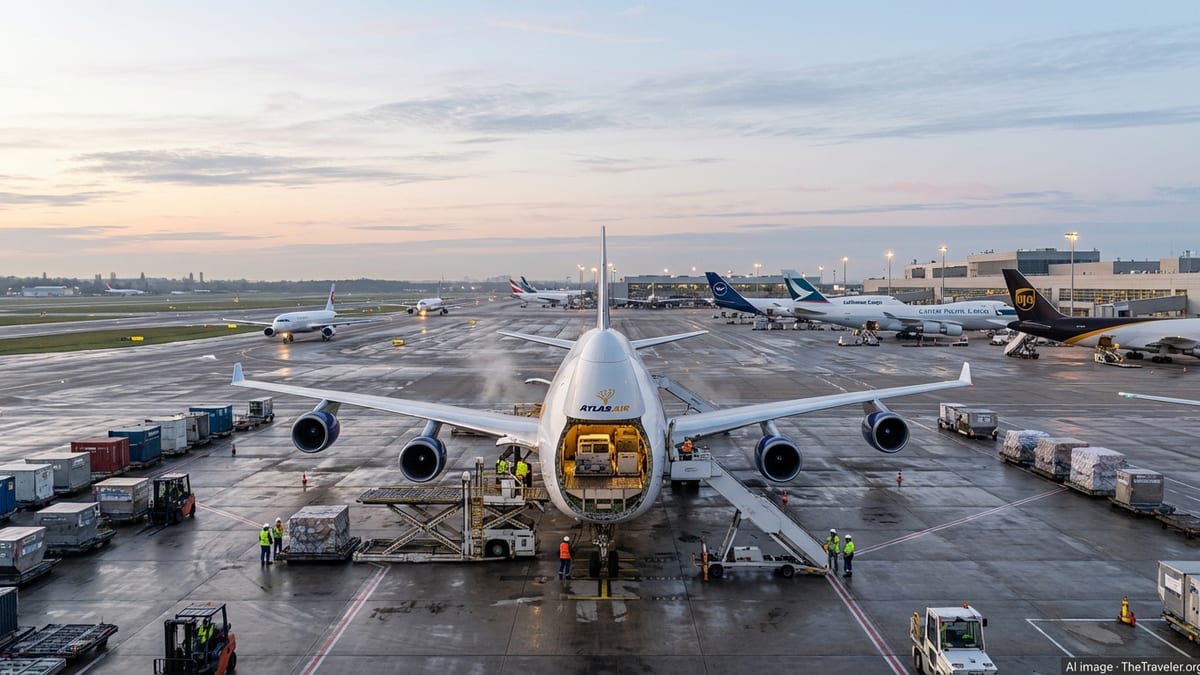
What Happened at Miami International Airport
Publicly available information shows that a Boeing 767-300 freighter operating as an Amazon Air service overran Runway 30 at Miami International Airport on Sunday, September 6, coming to a stop beyond the airfield and striking multiple vehicles near the northwest end of the airport. The aircraft, operated for Amazon by cargo carrier 21 Air, had arrived from San Juan, Puerto Rico.
Coverage from local and national outlets indicates that the impact and subsequent fire caused multiple fatalities and injuries on the ground and aboard the aircraft. Images and video from the scene show a heavily damaged airframe, a large debris field, and burned vehicles close to the airport perimeter, underscoring the severity of the incident.
Reports indicate that all runways at Miami International were initially closed under a Federal Aviation Administration ground stop shortly after 2 p.m. local time on Sunday. With the disabled aircraft and wreckage sitting beyond the end of the diagonal runway, emergency services and investigators have required extended access to parts of the airfield, limiting how quickly normal operations can resume.
As of Monday, September 7, specialized aviation industry coverage reported that two of Miami’s four runways remained closed, with the accident site and surrounding area still secured for investigation and recovery work. Airlines have been operating around these constraints, using the remaining runways where possible and rerouting some flights to other airports.
How the Crash Is Affecting Flights in and out of Miami
The immediate result for passengers has been a sharp reduction in the number of takeoffs and landings Miami can handle at peak times. With fewer runways available, the airport’s overall capacity is temporarily lower, which typically translates into delays, longer taxi times, and, in some cases, cancellations.
According to published coverage citing FAA data and airport statements, several hours of complete ground stop on Sunday were followed by a gradual restart of limited operations. Even after flights resumed, airlines faced a backlog of aircraft and crews out of position, forcing schedule adjustments that spilled into Monday and potentially beyond, particularly for late-night and early-morning banked departures.
Passengers connecting through Miami have been especially vulnerable to disruption. Because Miami International functions as a major hub for flights between North America, Latin America, and the Caribbean, any long ground stop or runway restriction can quickly ripple across airline networks. In practice, this can mean missed connections, rebookings on later flights, or being rerouted through alternate hubs like Orlando, Fort Lauderdale, Atlanta, or Dallas.
Travel data providers and flight-tracking platforms were already showing elevated rates of delays and cancellations at Miami on Sunday and Monday compared with typical early-September days. While many passenger flights are operating, travelers should expect that departure and arrival times may change repeatedly over the course of the day as airlines adjust to evolving runway availability and weather patterns.
If You Are Flying Today: What to Expect at the Airport
If your flight is scheduled to depart from or arrive at Miami International in the next 24 to 48 hours, you should be prepared for a less predictable experience than usual. With two runways reportedly still closed as of Monday morning, airlines may need to space out departures and arrivals more than normal, leading to delays even when weather conditions are favorable.
Travelers arriving at the terminal can expect possible longer lines at check-in and security as passengers from rebooked and delayed flights converge during compressed travel windows. Gate areas may be more crowded than usual, and last-minute gate changes are more likely as airlines shuffle aircraft and crews between routes to keep as much of the schedule operating as possible.
Passengers connecting through Miami should pay close attention to minimum connection times. A relatively short scheduled connection that might be manageable on a normal day can become risky when the airport is dealing with runway closures and residual congestion. In some cases, airlines may proactively rebook travelers onto later connections or alternate routings if they judge that a connection is no longer realistic.
Since the cargo crash occurred near the northwest end of the airfield, vehicle traffic patterns around that area have also been affected. Local coverage highlights closures and diversions on roads adjacent to the airport, which can add extra time for travelers driving to or from MIA. Allowing additional time for ground transportation and parking is advisable until local authorities fully reopen affected routes.
How to Check Your Flight and Minimize Disruption
In the aftermath of an incident of this scale, airline and airport information can change quickly. The most reliable way to check the status of a specific flight is typically through the operating airline’s app or website, which is often updated more frequently than third-party tools. Official Miami International arrival and departure boards can also provide a snapshot of delays and cancellations by airline and time of day.
For travelers who have not yet started their trip, it is worth confirming whether your booking includes contact details so that airlines can send real-time notifications about schedule changes and gate updates. Many carriers also allow same-day confirmed or standby changes through their apps, which can offer more flexibility if you see a significant delay developing on a tight connection.
Those whose itineraries route through Miami in the next few days might consider, where possible, rebooking to itineraries through other hubs, especially if travel is time-sensitive or involves important connections such as cruises or international onward flights. Published reports suggest that while Miami is gradually resuming more normal operations, the combination of damaged infrastructure, ongoing investigation activity, and repositioning of aircraft could mean intermittent disruption for some days.
For travelers already at the airport, gate agents and customer service desks remain key points of contact for last-minute changes, although lines can be long during major disruptions. Using an airline’s mobile tools while waiting in line can sometimes secure a rebooking more quickly, leaving in-person support for more complex cases such as multi-airline itineraries or special service needs.
Looking Ahead for Miami Travelers
Investigators from federal safety agencies have opened a formal inquiry into the crash, a process that typically requires on-site work at the airport over several days. Publicly available aviation safety analyses note that runway-overrun events involving large freighters can lead to infrastructure repairs, safety area assessments, and reviews of operating procedures before all affected parts of an airport return to normal use.
Specialized freight and logistics publications point out that Miami International is one of the busiest cargo gateways in the United States by tonnage. The loss of a large freighter and associated operational constraints may temporarily shift some cargo flights to other airports in the region, which in turn can free or consume runway capacity at different times of day for passenger operations.
For most leisure and business travelers, the practical takeaway is that flying to and from Miami is still possible, but with elevated risk of disruption in the near term. As runways reopen and airlines finish repositioning aircraft and crews, schedules are likely to stabilize, though further adjustments may occur as more information about the accident and any required safety or infrastructure changes becomes available.
Anyone with travel to or through Miami in the coming days should continue to monitor official airline and airport channels closely, build extra time into connections and ground transportation, and be prepared for potential itinerary changes even after check-in. While the focus at the crash site remains on investigation and recovery, the broader effort across the aviation system is centered on restoring safe and reliable operations for both cargo and passenger flights.
Local 10 News: Cargo plane crashes after going off Miami International Airport runway
FreightWaves: Two Miami runways still closed after Amazon cargo jet accident
ABC News: NTSB investigation underway after Amazon cargo plane crash at MIA
CNN report via KESQ: Prime Air 767 cargo aircraft overruns runway in Miami