


More news on this day
As Canadians lock in autumn getaways, Ottawa’s latest updates to its global travel advisories are drawing attention to heightened risks in nine popular fall vacation destinations, from sun‑seekers’ favourites in Mexico and the Caribbean to major cities in Europe, the Middle East and Africa.
Get the latest news straight to your inbox!
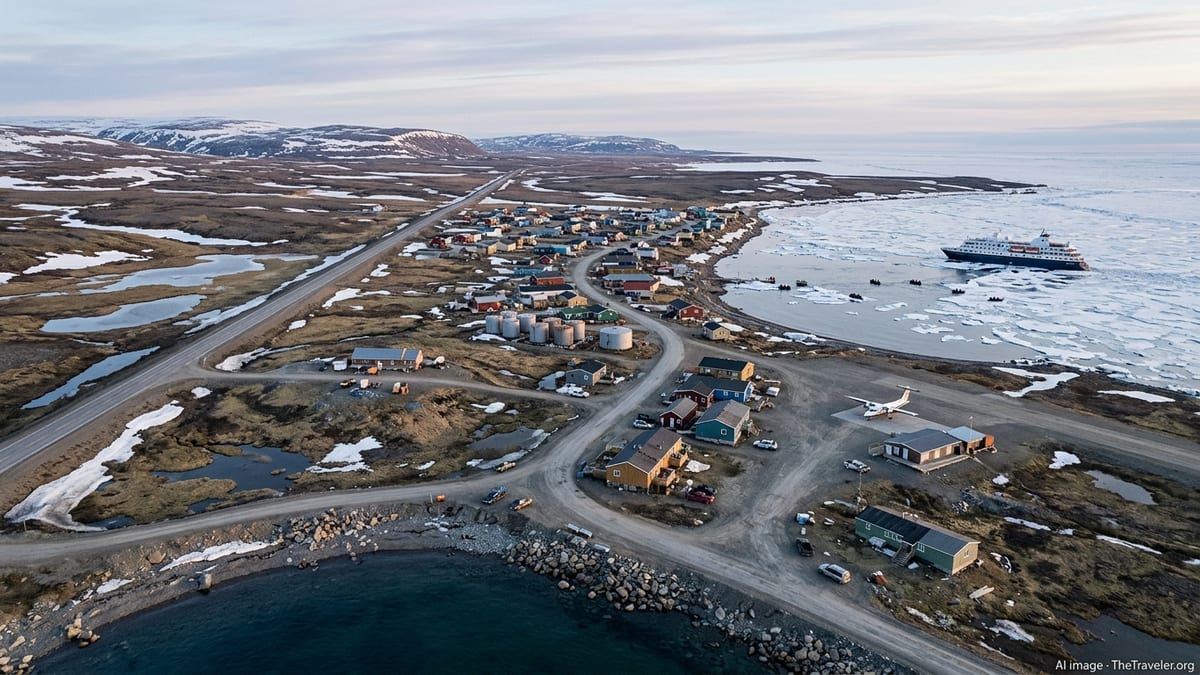
What Canada’s updated advisories mean for fall travel
According to publicly available information on the federal Travel Advice and Advisories portal, Canada has recently revised guidance for nine high‑traffic holiday destinations, reinforcing messages to exercise a high degree of caution or avoid non‑essential travel in certain regions. The changes come as tourism data show strong Canadian interest in trips to Europe, Mexico, the Caribbean and Asia during the September to November shoulder season.
The advisory system, managed by Global Affairs Canada, assigns one of four risk levels to each destination, ranging from taking normal security precautions to avoiding all travel. Explanatory material on the government site notes that advisories are intended to help travellers “make informed decisions and travel safely” and are updated whenever security, health or environmental conditions shift in a way that could affect Canadians abroad.
Although the nine highlighted destinations span several continents and risk profiles, the fall 2026 updates share a common theme: travellers are urged to plan more carefully, monitor local developments closely and be prepared for disruptions tied to crime, civil unrest, regional conflicts, extreme weather and strained local infrastructure.
Travel analysts point out that these refreshed notices arrive as Canadians increasingly mix traditional city breaks and beach vacations with more complex itineraries, including multi‑country cruises, long‑haul stopovers and remote work stays, all of which are more vulnerable to sudden changes in security or health conditions.
Mexico and the Caribbean: crime, climate and infrastructure pressures
Mexico, one of Canada’s most visited destinations, continues to carry a recommendation that travellers exercise a high degree of caution countrywide, with additional regional advisories tied to high levels of criminal activity and kidnapping. The Mexico advisory, last updated in late August 2026, underscores that violence linked to organized crime can erupt with little or no warning in both tourist centers and transport hubs, and that some highways and border regions have become particular areas of concern.
Caribbean hotspots included among the nine destinations face a different, though related, mix of risks. While many islands are assessed at lower overall risk levels, advisories highlight localized violent crime, limited emergency medical capacity and seasonal pressures. The official guidance points to hurricane season, coastal flooding and heat waves as recurring threats that can disrupt flights, strain resort infrastructure and complicate evacuations, especially in smaller island states.
The fall travel period overlaps with the tail end of the Atlantic hurricane season and an increase in severe weather linked to climate patterns. Publicly available emergency planning material from the federal government urges Canadians heading to coastal or island destinations to have contingency plans that do not rely on assisted departures, warning that large‑scale evacuations are never guaranteed and may be constrained by damaged ports, airports and roads.
For travellers set on a beach escape, the updated notices effectively shift the emphasis from destination choice to preparation: verifying that accommodation is in a safer area, reviewing local emergency procedures and confirming that travel insurance explicitly covers disruptions in locations under an official advisory.
Europe: heightened vigilance in crowded urban destinations
Several European countries that rank among the most popular shoulder‑season options for Canadians are also covered by the refreshed advisory list. While many parts of Europe are assessed at the level of taking normal security precautions, Canada’s guidance for some top city‑break destinations has been tightened in recent months, moving to a recommendation to exercise a high degree of caution because of an elevated threat environment.
Advisory summaries for these countries point to the risk of terrorism, politically motivated violence and sporadic civil unrest that can affect public transport, tourist districts and major events. Fall is traditionally a busy period for cultural festivals, football fixtures and large demonstrations in many European capitals, and the guidance stresses the importance of staying clear of large gatherings where tensions could escalate quickly.
Travel data and industry reports suggest that, despite the advisories, Canadian demand for European trips remains resilient, especially for destinations that combine mild fall weather with cultural attractions. The updated language does not discourage travel outright but signals that visitors should reinforce basic precautions: maintaining situational awareness in crowded places, following local instructions when protests occur and allowing extra time for airport and border security screening.
In practical terms, the fall 2026 advisories encourage Canadians to think about how urban disruptions could affect tight itineraries. Train strikes, sudden road closures around demonstrations or enhanced police operations can all force last‑minute changes to sightseeing plans, pre‑booked tours and regional connections.
Middle East and Africa: non‑essential travel warnings shape itineraries
Among the nine destinations, Israel and Palestine feature some of the strongest language, with an advisory to avoid non‑essential travel due to a volatile regional security situation. The risk‑level section of the official page highlights the potential for sudden escalations, rocket fire, military operations and restrictions on movement, which can affect border crossings, airports and internal travel without advance notice.
Neighbouring states and selected African destinations on the updated list are subject to similar or higher levels of caution, sometimes including regional advisories that single out border areas or specific provinces. In several cases, guidance refers to threats from terrorism, kidnapping, armed conflict and civil unrest, as well as chronic strains on healthcare systems and basic services in remote regions.
As a result, Canadians contemplating pilgrimages, adventure travel or multi‑country tours through these regions are being urged, via open government materials and travel‑medicine resources, to carry out more detailed risk assessments. Recommendations include planning routes that avoid higher‑risk zones, registering with Canadian consular services before departure and maintaining flexible exit options if conditions deteriorate.
Industry observers note that some tour operators have already adjusted fall and winter offerings for the Middle East and parts of North and East Africa, shifting marketing toward lower‑risk areas or alternative itineraries while still responding to sustained interest in historic sites and wildlife experiences.
Insurance, fine print and what travellers should do next
Another thread running through the fall 2026 advisory updates is the potential impact on travel insurance. Canadian consumer coverage often contains exclusions for destinations under “avoid non‑essential travel” or “avoid all travel” advisories, and recent survey reporting indicates that many travellers remain unaware that a change in federal guidance can void parts of their policy.
Government travel‑risk explainers and insurance industry advisories therefore emphasize checking both the current risk level for a destination and the terms of any medical, cancellation or interruption coverage before departure. Travellers are being encouraged to confirm, in writing where possible, whether their policy remains valid if an advisory is issued or upgraded after they have booked but before they leave.
Official outreach campaigns also continue to promote two longstanding recommendations: consulting the destination‑specific advisory page at least twice, once during planning and again just before departure, and registering with the Registration of Canadians Abroad service so that emergency updates can be delivered directly by email or text message if a situation worsens while travellers are on the ground.
For Canadians with non‑refundable bookings to one of the nine highlighted destinations, travel experts advise monitoring advisory pages closely over the coming weeks. Risk levels can change quickly in response to local events, and staying informed can make the difference between a manageable itinerary adjustment and a costly cancellation at the peak of the fall travel season.
Government of Canada – Travel Advice and Advisories
Government of Canada – Travel Advice and Advisories: Explained
Government of Canada – Mexico travel advice
Government of Canada – Israel and Palestine travel advice
Canadian Travel News – Canadian Travel Advisories Issued for 9 Popular Fall Vacation Destinations