


More news on this day
Air traffic across the Middle East faced a fresh wave of disruption today, with data from aviation trackers and passenger-rights platforms indicating at least 882 delayed flights and 70 cancellations affecting key hubs such as Dubai, Abu Dhabi and Doha.
Get the latest news straight to your inbox!
Regional Hubs Struggle With Knock-on Disruptions
The latest disruption figures highlight how quickly pressure can build across the region’s tightly connected hub network. Dubai International, Abu Dhabi International and Hamad International in Doha collectively handle thousands of daily movements, so relatively small schedule changes can cascade into widespread delays and missed connections.
Publicly available operational data for major Gulf airports show an elevated pattern of delays and cancellations in recent days, particularly on short-haul routes linking the United Arab Emirates with Bahrain, Kuwait and Saudi Arabia. That pattern is feeding into today’s totals, with a concentration of late departures and arrivals on regional services that normally operate at high frequencies and tight turnaround times.
According to published coverage tracking Middle East operations, regional carriers including Emirates, Etihad, Flydubai and Air Arabia have been adjusting schedules, trimming frequencies and consolidating flights to cope with volatile demand and airspace restrictions. These tactical changes, while designed to maintain overall connectivity, are also contributing to rolling delays as aircraft and crews are repositioned.
At the same time, flight-status dashboards for key airports in the Gulf show that disruption is not uniform across all destinations. Long-haul intercontinental services are, in many cases, operating closer to schedule, while short- to medium-haul routes within the wider Middle East remain the most exposed to last-minute changes.
Security Tensions and Airspace Constraints Drive Schedule Changes
Today’s figures come against the backdrop of persistent security tensions affecting airspace over parts of the Gulf and the broader Middle East. According to recent regional reporting, a combination of conflict-related advisories and missile and drone incidents in recent weeks has prompted airlines to re-route or suspend certain services, particularly to and from Kuwait, Bahrain and Saudi Arabia.
Travel industry coverage indicates that some international regulators have extended conflict-zone advisories for sections of Gulf airspace, urging airlines to avoid specific corridors or to operate at modified altitudes on selected routes. While many flights continue to operate, these restrictions can lengthen flight times, compress schedules at peak periods and reduce flexibility when operations are already under strain.
Several foreign carriers have also revised their Middle East plans. Updates from European and Central Asian airlines show extended suspensions or delays to the resumption of services to Dubai and other regional cities, with some operators now pushing back planned relaunch dates into late September and beyond. Those decisions reduce overall capacity and increase pressure on airlines that continue to fly into the region’s main hubs.
For travellers, the combined effect is a less predictable operating environment, where a flight may still be listed as operating but remains vulnerable to last-minute timing changes as airlines adapt to evolving security guidance and operational constraints.
Passenger Experience: Missed Connections and Longer Journey Times
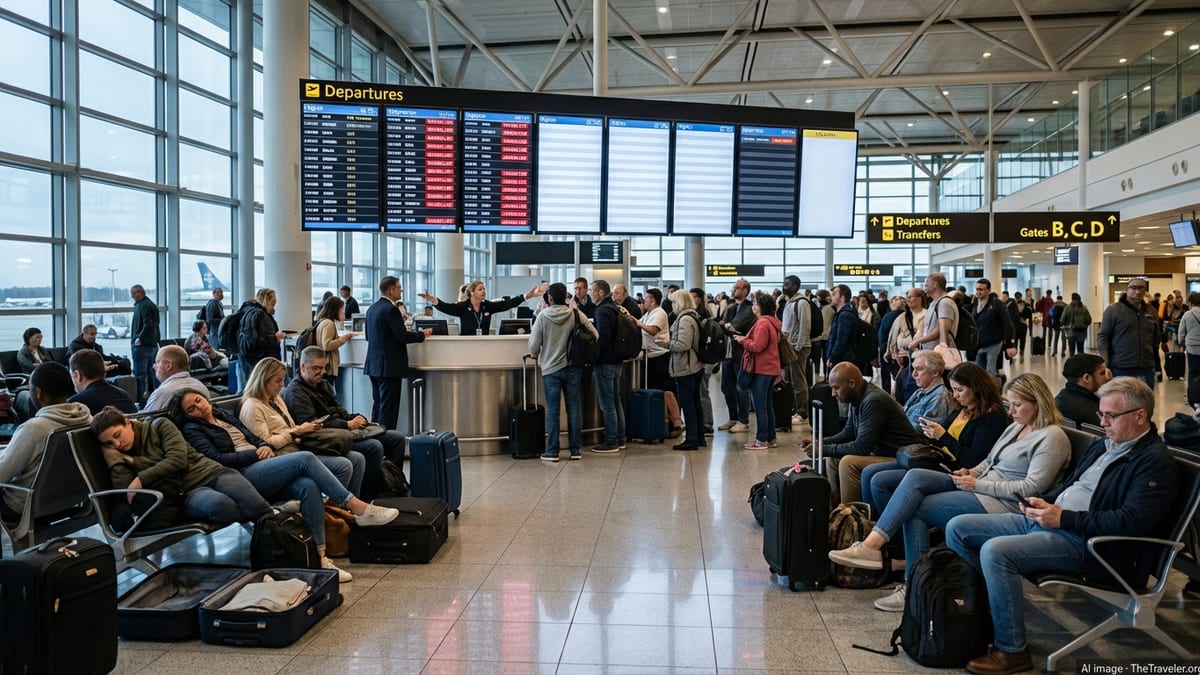
The impact of 882 delays and 70 cancellations is being felt most acutely by passengers relying on Gulf hubs for connections between Europe, Asia and Africa. Even modest schedule shifts at one end of a journey can translate into missed onward flights, unexpected overnight stays and complex rebooking challenges.
Travel forums and social media posts from recent days highlight recurring issues such as passengers being held on board while crews wait for updated slot times, as well as extended waits at transfer desks when multiple delayed flights arrive simultaneously. With many Gulf carriers operating hub-and-spoke models, late inbound services can also force airlines to hold departing flights to accommodate connecting passengers, further compounding delays.
Publicly accessible compensation platforms are also logging a steady stream of recent cancellations involving Middle Eastern and Gulf carriers, including routes linking Beirut with major regional nodes such as Kuwait, Jeddah and Dubai. These records, which are used to assess potential claims under European-style passenger-rights regimes, suggest that the current disruption is part of a broader pattern of irregular operations stretching back several days.
Longer overall journey times are another emerging theme. Rerouted flights that skirt sensitive airspace can add significant mileage and fuel burn, prompting schedule padding and, in some cases, retimed departures to avoid overnight curfews or airport slot limitations at destination airports.
Advice for Travellers Crossing the Region Today
With disruption levels elevated across multiple Middle Eastern hubs, travel experts are urging passengers to build additional flexibility into their plans today. Public advisories from airlines and airports consistently recommend checking flight status directly with the operating carrier before leaving for the airport, and again while in transit, as departure times can continue to shift throughout the day.
Industry guidance suggests that travellers with same-day connections should, where possible, opt for longer layovers to provide a buffer against late arrivals. Passengers are also advised to complete any online check-in formalities early, monitor airline apps for gate or timing changes and ensure that contact details are up to date so that automated notifications can be received promptly.
Consumer-rights organisations note that passengers on flights departing from, or arriving into, jurisdictions covered by compensation regulations may be eligible for assistance or financial redress when disruptions meet specific criteria. However, they also stress that eligibility often depends on the underlying cause, and that security-related or airspace-closure events can fall under exceptions to standard rules.
Given the fluid situation, many observers recommend that travellers retain documentation such as boarding passes, delay notifications and receipts for any additional expenses incurred, to support potential claims or insurance reimbursement at a later date.
Outlook: Disruptions Likely to Persist in the Short Term
While today’s tally of 882 delays and 70 cancellations underlines the immediate scale of disruption, signals from airlines and regulators suggest that operational uncertainty in the Middle East is unlikely to ease quickly. Recent advisories and schedule updates repeatedly reference open-ended monitoring of the security environment, with review dates for some restrictions and route suspensions extending into late August and September.
Published statements from international carriers indicate that several routes to key Gulf destinations will remain suspended or limited for weeks, pending further clarity on overflight risks and airport operating conditions. In parallel, Gulf-based airlines continue to adjust capacity, swap aircraft types and fine-tune departure banks in an effort to stabilise operations while maintaining network connectivity.
For travellers planning journeys through the region in the coming days, the expectation from publicly available information is that irregular operations will continue, even if the precise scale of disruption fluctuates from day to day. Those with non-essential trips are increasingly being encouraged by travel advisers to consider flexible tickets or, where practical, alternative routings that bypass the most affected hubs.
As aviation data services continue to log disruption events in real time, today’s figures are likely to feed into broader analyses of network resilience and crisis response in one of the world’s most strategically important aviation corridors.
Condé Nast Traveller Middle East: Dubai and Middle East flight disruption coverage
Gulf News: UAE flights today, cancellations and delays