


More news on this day
Border control delays linked to the European Union’s new Entry/Exit System at Milan Linate Airport left more than 100 easyJet passengers stranded after their Manchester-bound flight departed with only a fraction of travellers on board.
Get the latest news straight to your inbox!
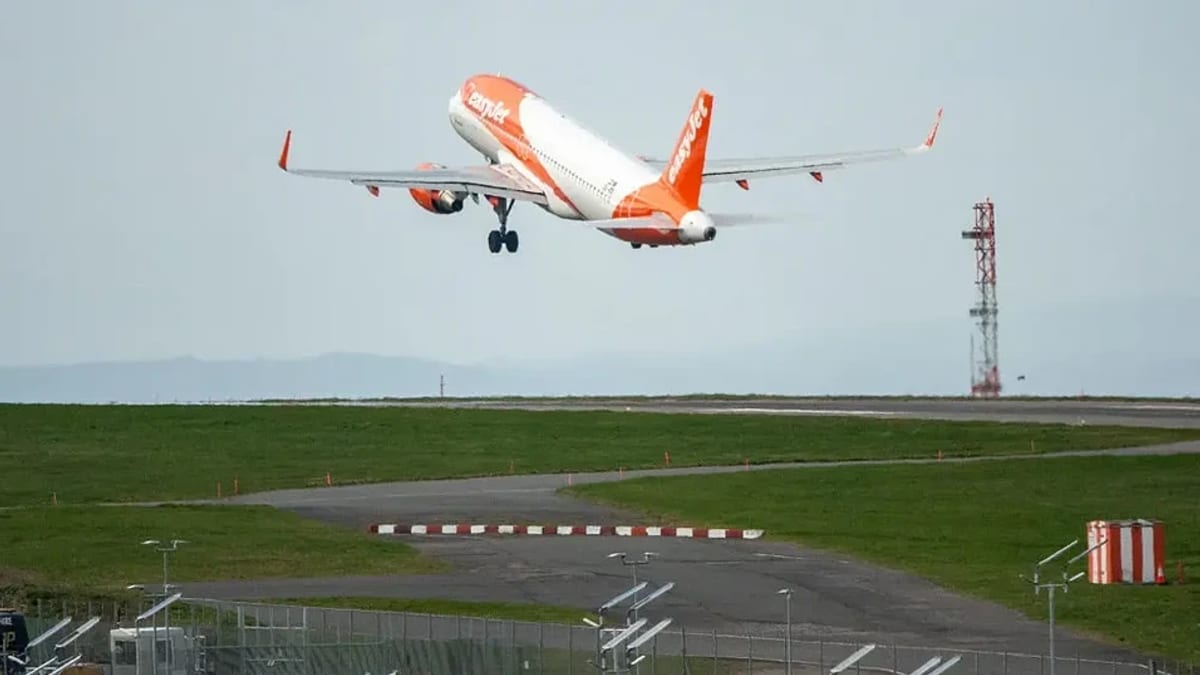
New border checks trigger severe queues at Milan Linate
Reports from passengers and published coverage indicate that the disruption unfolded on a Sunday morning departure from Milan Linate to Manchester, identified as easyJet flight EJU5420. While 134 passengers were reportedly booked on the service, only 34 managed to board before the aircraft left Italy, leaving roughly 100 people behind in the terminal.
Accounts describe long, slow-moving lines for non-EU passport holders at Linate’s border control area. Travellers arriving in good time for their flight found themselves trapped in queues that stretched across the hall, with some claiming waits of up to three hours before reaching a border booth. By the time many passengers cleared the checkpoint, the gate for the Manchester service had already closed.
The bottleneck has been linked in multiple news and travel reports to the progressive rollout of the EU’s new Entry/Exit System, or EES. The system is intended to record biometric data and movement in and out of the Schengen area for third-country nationals, but early implementation phases at some airports appear to be generating longer-than-usual processing times.
Passengers caught in the delays reported scenes of confusion as they attempted to move between different lanes and seek guidance on how to reach their flights more quickly. Several accounts describe families and business travellers alike realising only at the final passport control desk that their flight had already departed.
easyJet and airport operator point to border control bottlenecks
According to publicly available information, easyJet has attributed the disruption to lengthy queues at passport control that were beyond the airline’s direct control. The carrier has indicated in media statements that it had advised customers to arrive early and allow additional time for new border procedures at affected airports.
The airport operator for Milan’s Linate and Malpensa hubs, SEA Group, has not issued a detailed incident breakdown specific to this flight, but previous statements about EES-related congestion have highlighted the challenge of integrating new biometric checks into existing terminal infrastructure. Observers note that Linate, a busy city airport serving both business and leisure traffic, has less spare space to reconfigure queuing areas than some larger hubs.
Reports from the scene suggest that boarding for the Manchester flight continued until the scheduled departure time and that passengers who had already cleared border control were able to board as normal. Once the gate closed, remaining travellers in the queue had no direct way to reach airline staff to request a short extension, even though many claimed to be only minutes away.
The episode has intensified debate about how responsibilities are shared between airlines, airport operators and border agencies during system transitions. Travel advocates argue that carriers need to build greater flexibility into departure procedures in periods of known disruption, while airports and states are under pressure to expand staffing and infrastructure to meet the new processing demands.
Stranded travellers face rebooking costs and uncertainty
For the passengers left at Linate, the immediate challenge was finding a way home. Accounts compiled in British and European media describe groups of stranded travellers queueing again at service desks or trying to reach call centres and online support channels to arrange alternative flights to the United Kingdom.
Some travellers reported securing seats on later easyJet services or on other airlines the same or following day, often at significant additional cost. Others indicated that they had to pay for overnight accommodation, meals and re-routed tickets via other European hubs, raising total out-of-pocket expenses into the hundreds or even thousands of pounds for families.
Under European air passenger rules, eligibility for financial compensation or reimbursement typically depends on whether the disruption is deemed within the airline’s control or the responsibility of external factors such as airport operations or state authorities. Travel rights specialists note that where delays stem primarily from border control processes or government-mandated systems, airlines often argue that compensation is not owed, even if passengers miss a flight.
Consumer groups are monitoring the situation closely, saying that the Milan incident shows how travellers can be caught in a gap between overlapping responsibilities. They advise affected passengers to keep detailed records of boarding times, queue conditions and any written guidance provided by the airline or airport when pursuing claims.
Wider concerns about Europe’s Entry/Exit System rollout
The events at Milan Linate are being seen as an early warning for potential travel disruption once the Entry/Exit System is fully operational across the Schengen area. Travel media coverage from Italy and other European destinations has already highlighted instances of congestion, missed flights and general confusion at border checkpoints where components of EES are being trialled or phased in.
Analysts point out that airports with a high proportion of UK and other non-EU travellers are particularly vulnerable to longer queues, as these passengers are the first to undergo the new biometric registration. Milan’s strong connections to British cities, including Manchester and London, place Linate among the terminals most exposed to early teething problems.
Industry observers suggest that without substantial investment in staff, training and physical layout changes at border areas, delays could intensify during peak holiday seasons. The Milan incident, occurring outside of the busiest summer months, has raised questions about how systems will cope when passenger volumes climb.
European institutions have framed EES as an important step for security and migration management, but travel industry voices warn that the system’s success will depend heavily on real-world implementation at individual airports. Milan’s experience is being closely watched as a case study in what can go wrong when a complex technology rollout intersects with already stretched border resources.
What travellers can do ahead of Milan and EU trips
In the wake of the disruption, travel experts and consumer organisations are urging passengers flying through Milan and other major European hubs to build in extra time and contingency plans. Current recommendations in public-facing guidance range from arriving significantly earlier than usual for flights that require passport control, to checking airport and airline advisories on EES-related changes before departure.
Passengers are also being encouraged to complete any available pre-registration steps online where offered, to monitor their flight status through airline apps, and to move promptly towards security and border control immediately after check-in. While such measures cannot eliminate the risk of delays, they may help reduce the chance of being caught in the longest queues.
The Milan incident has also prompted calls for clearer signage and announcements within terminals, so that non-EU passengers understand which lanes to use and how long they are likely to wait. Observers argue that better on-the-ground information could allow travellers to make more informed decisions about when to seek assistance or escalate issues before a flight departs.
For now, the episode at Linate stands as a stark example of how systemic changes at the border can ripple through the wider travel experience. As Europe moves toward full implementation of the Entry/Exit System, passengers planning trips through Milan and other key gateways are being advised to stay alert to evolving conditions and to factor potential congestion into their itineraries.