


More news on this day
As spring settles over northern Italy, Milan is preparing for an unusually high-voltage May, with a cluster of festivals and major events that promise to turn the city into an open-air stage for design, music, food and sport.
Get the latest news straight to your inbox!
From Design Week Afterglow to a Month of Urban Energy
Visitors arriving in Milan in May 2026 will encounter a city still buzzing from the record-breaking Milan Design Week that closed in late April, but the energy is far from fading. According to published coverage of this year’s edition, more than a thousand Fuorisalone events and almost two thousand exhibitors at Salone del Mobile transformed entire districts into temporary creative labs, leaving large-scale installations, pop-up spaces and extended exhibitions running into mid-May.
In the Brera and Isola districts, design studios and galleries are keeping selected shows open beyond the official design week window, giving May travelers a second chance to see headline installations that shaped the international conversation on interiors, materials and collectible design. Reports indicate that highlights such as the Salone del Mobile’s new focus on limited-edition pieces and experimental furniture are feeding a broader citywide interest in design as performance, with curated routes and self-guided walks encouraging visitors to treat Milan itself as a gallery.
Fashion is also extending the season. The calendar for Milano Moda Design, overseen by the city’s fashion chamber, lists special openings and crossovers between luxury brands and design houses across late April and early May. Publicly available programs show flagship stores in the historic center staging immersive environments that remain in place after the main design fair, helping bridge the gap from April’s trade focus to May’s more festival-driven atmosphere.
For travelers, the practical impact is immediate. Even after the official design fair has closed, May becomes a second wave in which smaller crowds can still experience cutting-edge exhibitions, brand installations and concept spaces, often with longer opening hours and more space for exploration.
Piano City Milano: A Weekend Where the City Becomes a Stage
The clearest signal of Milan’s musical turn comes with Piano City Milano, set for May 15 to 17, 2026, according to the city’s official events platform. Launched in 2011 as an experiment in turning the urban fabric into a network of pianos, the festival has since grown into one of Europe’s most distinctive open-city music events, with hundreds of concerts unfolding across parks, courtyards, rooftops and private homes opened temporarily to the public.
Programs released for the 2026 edition describe performances ranging from classical recitals and jazz improvisations to electronic crossovers and dawn concerts staged in unexpected venues, including sports facilities and heritage industrial structures. The format allows audiences to move through the city from stage to stage, using music as a wayfinding tool to discover lesser-known neighborhoods beyond the traditional tourist circuit around the Duomo and the Quadrilatero della Moda.
Organizers emphasize accessibility, with a large share of events free to attend and informal in tone. Publicly available information shows that the festival’s schedule is built to encourage spontaneous participation: short sets, dense programming and overlapping routes mean that even visitors with only a day or two in Milan can sample multiple concerts without advance planning.
For Milan, Piano City functions as both cultural showcase and soft urban branding exercise, presenting the city not only as the home of global design fairs and fashion weeks but also as a place where live performance can colonize everyday spaces. For travelers, it offers a rare chance to wander through residential streets and civic spaces with a musical soundtrack that shifts at every corner.
Food and Fashion Collide in May’s Pop-Up Culture
May 2026 is also shaping up as a showcase month for Milan’s food scene, which has leaned increasingly into festival formats that blend gastronomy with design and lifestyle programming. While detailed line-ups are still being finalized, previous editions of events such as Milano Food Week and restaurant-led street festivals suggest that visitors can expect a mix of chef collaborations, temporary tasting counters and neighborhood-specific celebrations stretching from Porta Romana to the Navigli.
Publicly available information on recent editions indicates that these food events are closely tied to the city’s design and fashion ecosystem. Restaurants partner with design studios on tableware and interiors, while fashion brands host tastings and culinary talks in showrooms that have just welcomed international visitors for Salone del Mobile. The result is a crossover atmosphere where dining becomes another way to engage with the city’s creative industries.
Several luxury labels that participated in Milan Design Week with immersive installations are expected to keep their spaces active with culinary tie-ins, from coffee bars framed by limited-edition furniture to cocktail programs linked to capsule collections. Reports from local lifestyle media suggest that this hybrid model has proven popular with both residents and travelers, who can drop into a flagship to see a design collaboration and stay for an aperitivo without needing a formal reservation.
Beyond headline festivals, neighborhood business associations are programming smaller-scale food events in May, such as weekend street food markets and themed aperitivo trails that invite visitors to sample regional Italian specialties within a few walkable blocks.
Sporting Spectacle: Cup Finals and Road Races Add to the Charge
The cultural calendar is not the only driver of Milan’s electric May. The sports schedule adds its own surge, punctuated by high-profile matches and endurance events that bring crowds into the city center and surrounding areas. The Coppa Italia final on May 13, 2026, features Inter Milan in a single-match showdown, according to competition schedules published by football governing bodies. Even though the match is scheduled at Rome’s Stadio Olimpico, fan gatherings and live screenings are expected to energize bars and public spaces across Milan.
Later in the month, road cycling takes the spotlight. The route for the 2026 Giro d’Italia includes a late-May stage finishing in Milan, with race information indicating a 157-kilometer sector from Voghera into the city. That arrival is traditionally treated as a celebration stage, and planners anticipate temporary grandstands, team buses and sponsor zones around key finish-line streets, adding a festival atmosphere that spills into nearby districts.
For visitors, these sporting peaks reshape how the city is experienced. On match and race days, public transport runs at higher intensity and certain streets are partially closed or diverted, which can complicate logistics but also open opportunities to see Milan’s monumental avenues and historic squares taken over by crowds, banners and team colors.
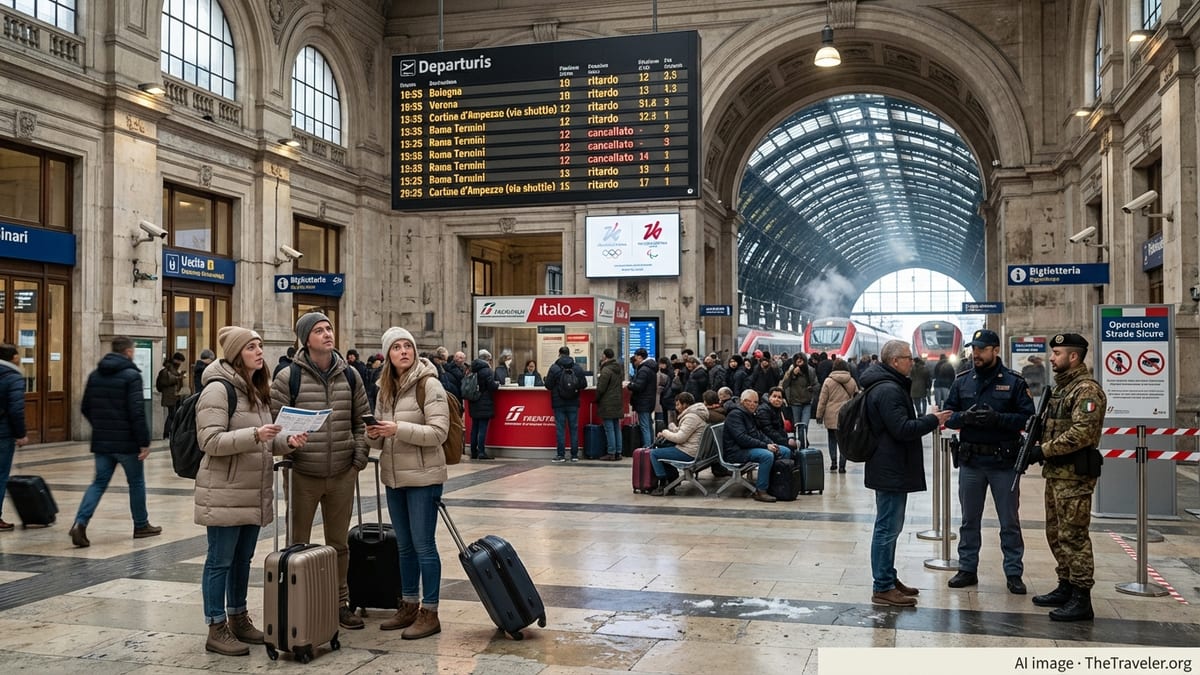
Travel advisories and local media coverage typically recommend booking accommodation well ahead of time and allowing extra travel time on key dates in mid and late May, particularly for those needing to reach the main rail hubs or the airports.
Practical Notes for Travelers Chasing Milan’s May High
With design, music, food and sport converging in a single month, Milan’s May calendar is dense enough to warrant strategic planning. City tourism channels suggest starting with fixed dates such as Piano City Milano’s weekend in mid-May, then layering in open-ended experiences like lingering exhibitions from Design Week and neighborhood food events that often reveal their final details closer to the date.
Accommodation data from recent years shows that late April and early May typically see higher occupancy driven by design visitors, but that rates can fluctuate as the focus shifts to cultural festivals and sports. Travelers aiming to be in the city during both Piano City and the Coppa Italia final period may face strong demand in central districts and could benefit from considering stays in well-connected areas such as Porta Garibaldi, Porta Venezia or the Corvetto corridor.
Publicly available transport information highlights that Milan’s metro and tram network is equipped to handle spikes in passenger numbers tied to major events, though peak times around concert starts and football screenings can be crowded. The city’s growing cycling infrastructure, including bike-sharing services, offers an alternative way to navigate between festival hubs while taking in installations and street performances at a slower pace.
For those drawn to the overall mood rather than a single headline event, the message from Milan’s 2026 calendar is clear. Arriving at almost any point in May means stepping into a city using festivals, matches and performances to redraw its own map, turning everyday streets into a layered stage where design, sound and spectacle compete for attention.