


More news on this day
Airlines serving Minneapolis–St. Paul International Airport and a growing list of other U.S. hubs are preparing for higher operating bills ahead of the autumn travel season, as airport operators adjust landing fees and terminal charges to keep pace with inflation, capital projects and recovering passenger traffic.
Get the latest news straight to your inbox!
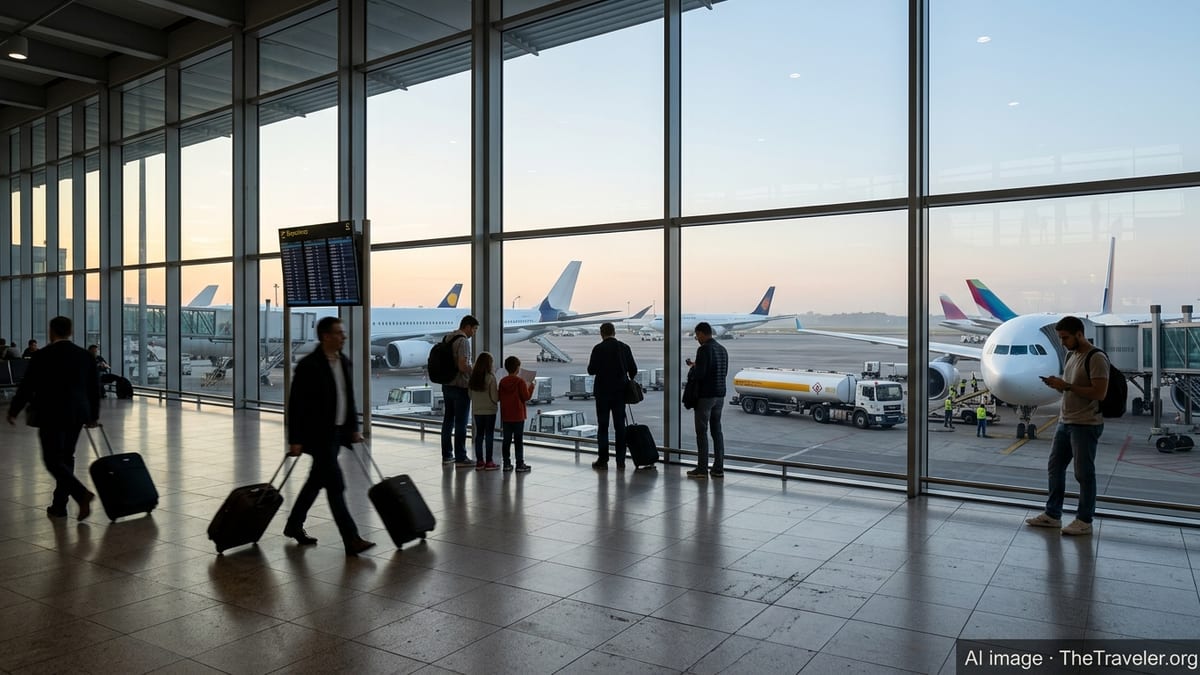
MSP Sets Steeper Landing Fees and Airline Charges for 2026
Publicly available budget documents from the Metropolitan Airports Commission indicate that Minneapolis–St. Paul International Airport (MSP) is planning a notable increase in what airlines pay to use the airfield and terminal facilities in the next operating year. The 2026 budget projects a 14.2 percent jump in the landing fee rate compared with the 2025 estimate, with landing fees expected to account for about half of all airline rates and charges at the airport.
Those same planning materials show total airline rates and charges at MSP reaching roughly 246 million dollars, with higher terminal rentals, ramp fees and other cost-center adjustments feeding into the overall rise. While the airport continues to rely on non-aeronautical revenue, such as parking and concessions, to offset some costs, the figures point to a higher per-passenger cost burden for airlines using the Twin Cities hub.
MSP has already been operating in a higher-cost environment for tenants and travelers. A hospitality surcharge of up to 4.5 percent on concession transactions has been in place since 2021 to offset rising wages, security requirements and other operating expenses within the terminals, according to airport information. That charge is scheduled to sunset in mid-2025 under recently approved state legislation, but by then airlines will be contending with the new schedule of core aeronautical fees.
Large U.S. Hubs See Airline Cost per Passenger Climb
MSP is not alone. Recent analyses of Federal Aviation Administration filings compiled by airport finance consultants show that airline cost per enplanement, a key industry metric that combines landing fees, terminal rents and other charges on a per-passenger basis, has been trending higher at many of the nation’s largest airports. Data through the 2024 and 2025 fiscal years indicate that average CPE levels at large hubs have risen year over year as airports advance long-planned capital programs and adjust for higher operating costs.
Consultant dashboards summarizing 2025 CPE filings and airports’ longer-term projections highlight a pattern in which many large hubs expect their peak airline cost per passenger to occur later in the decade, reflecting the ramp-up of debt service for expansion projects already under construction. For airlines, the immediate effect is that fall and winter schedules are being built around facilities that are more expensive to use than in the immediate pre-pandemic period, even as passenger volumes have largely recovered.
Credit rating reports for major hubs such as Chicago O’Hare describe a multi-year trajectory in which airline cost per enplanement rises from the mid-20-dollar range in the mid-2020s toward the mid-30s by the early 2030s as large terminal and airfield programs are financed and built. Although those projections extend well beyond this autumn, they underscore the structural cost pressures that are beginning to appear in annual airline rate-setting today.
Regional Airports Tighten Budgets With Higher Terminal and Landing Rates
Outside the largest hubs, several medium and small airports are also moving to increase what airlines pay. In Memphis, the local airport authority’s adopted budget for fiscal 2025 projects a 15 percent increase in operating revenues, driven in part by higher terminal, landing and passenger parking revenues. The average terminal rental rate for airlines is slated to rise sharply, with posted figures moving from just under 82 dollars per square foot in fiscal 2024 to more than 114 dollars in fiscal 2025, according to the published budget summary.
Planning and performance reports from other regional airports, including facilities in Florida and New York, point to similar dynamics. As pandemic-era federal relief funds phase out, airport operators have fewer external resources to hold airline charges steady. Cost per enplanement metrics at some facilities have fluctuated significantly in recent years as fixed operating costs were spread over volatile passenger volumes, and current budgets seek to rebalance those ratios as traffic normalizes.
Industry commentary also notes that airports with major modernization or terminal replacement projects under way are especially sensitive to shifts in passenger demand. Where enplanement growth has lagged projections, the cost of paying for new terminals, parking structures or airside improvements is increasingly covered through higher airline rates, which are typically reset annually and take effect ahead of busy travel periods.
Inflation, Construction and Federal Rules Shape the Fee Environment
Airport finance documents and policy analyses consistently point to a cluster of factors behind rising operating charges. Inflation in labor, construction and maintenance costs has lifted the baseline expense of running airfields and terminal complexes, while airports face pressure to upgrade facilities to handle growth and meet evolving security and sustainability expectations. Engineering and planning firms active in the sector report strong demand for airport-related design and construction services, reflecting this wave of capital investment.
Regulatory and policy frameworks also shape how much airports can charge and where those funds are drawn from. Passenger facility charges, capped under federal law at 4.50 dollars per enplaned passenger, remain an important but limited tool for funding projects. With that cap unchanged in recent years, many operators rely more heavily on carrier landing fees, terminal rents and use charges to close funding gaps, especially when large projects are financed with long-term debt.
At the same time, new federal consumer-protection rules are increasing transparency around airline-imposed ancillary fees but do not directly address airport-set charges. Analysts suggest that as base airfares and fuel costs respond to broader economic conditions, higher airport operating fees form part of a layered cost structure that airlines weigh when deciding where to add or trim capacity heading into key travel seasons.
What Higher Airport Fees Could Mean for Autumn Travelers
Although passengers do not pay landing fees or terminal rents directly, higher operating charges at airports such as MSP can influence route planning and fare structures over time. Industry guidance notes that a 20 percent increase in cost per enplanement translates to a relatively small share of an airline’s total cost base, but those increases can still affect which airports carriers prioritize, especially for marginal routes.
Higher cost environments can be particularly challenging for ultra-low-cost and low-cost carriers, whose business models rely on keeping per-passenger expenses tightly controlled. Where airport charges rise faster than anticipated, those operators may reduce frequencies, shift capacity to lower-cost airports, or adjust ancillary fee strategies to protect margins. That, in turn, can limit competitive pressure on fares for travelers in some markets.
For the busy autumn travel period, the higher operating charges currently being put in place are most likely to show up indirectly, through the mix of carriers serving each airport and the range of schedules available. As MSP and other U.S. airports move ahead with fee increases tied to capital programs and inflation, travelers may see a gradual reshaping of route networks and price points, even if the impact on an individual ticket is difficult to isolate from broader market forces.
Sources for further reading:
Metropolitan Airports Commission Budget Book 2026
DWU Consulting: Cost per Enplanement Data
Memphis-Shelby County Airport Authority FY 2025 Budget Overview