


More news on this day
A Missouri man injured in a 2022 train derailment at Silver Dollar City has filed a civil lawsuit against the Branson theme park’s owner, alleging unsafe operation and maintenance of its signature steam train ride led to his injuries and long-term medical complications.
Get the latest news straight to your inbox!
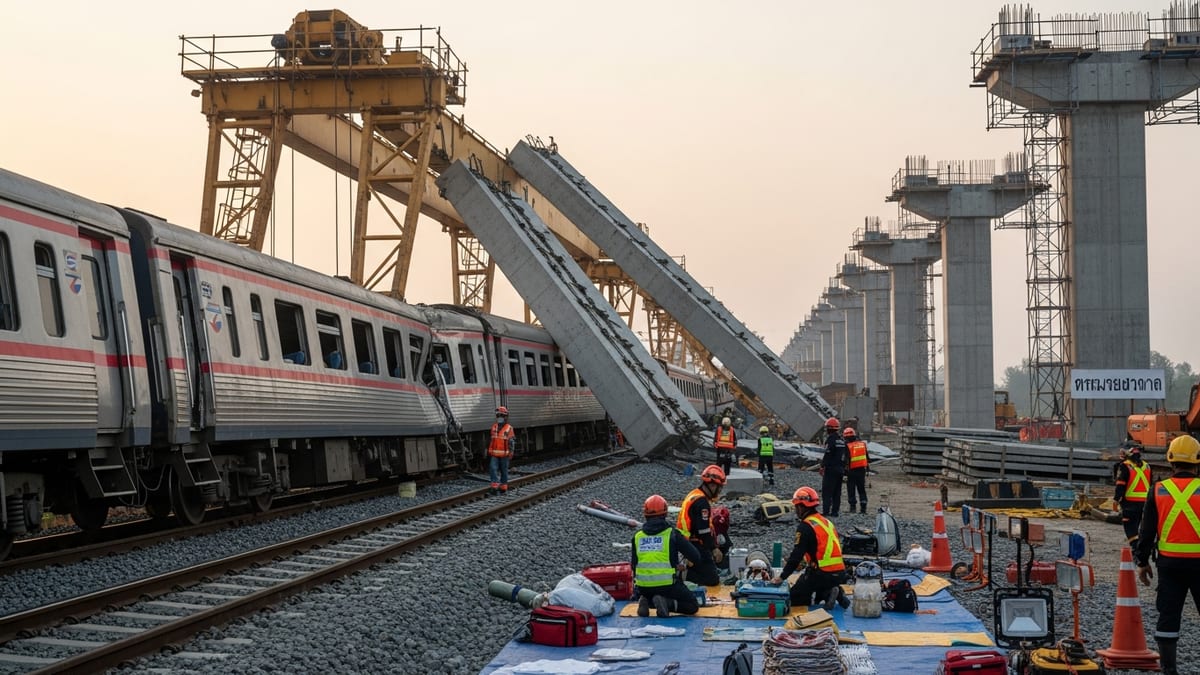
Lawsuit follows 2022 derailment on Frisco Silver Dollar Line
The complaint stems from an incident in October 2022, when several cars of the Frisco Silver Dollar Line Steam Train left the tracks during an evening run at the Ozarks theme park. Contemporary news coverage reported that more than 20 riders were evaluated at the scene and at least seven were transported to local hospitals with injuries ranging from bruises to suspected fractures.
The newly filed lawsuit identifies the plaintiff as one of the passengers in the derailed cars and asserts that he suffered significant trauma to his back, neck and extremities. The filing indicates that he has undergone continuing treatment and rehabilitation, and that doctors have warned of possible long-term limitations on his ability to work and participate in routine physical activities.
According to publicly available information, Silver Dollar City closed the train ride immediately after the derailment and cooperated with investigations into the cause. The attraction later reopened after internal reviews and inspections, though details of any modifications or remedial steps have not been fully disclosed in public records.
Claims of negligent maintenance and unsafe operating conditions
In the lawsuit, the plaintiff accuses the park’s ownership and operating entities of negligence, citing what he describes as inadequate inspection, maintenance and staff training on the historic-style railroad. The filing contends that the track, rolling stock and related safety systems were not kept in a condition reasonably safe for the thousands of guests who ride the train each season.
The complaint further alleges that the defendants failed to properly monitor the train’s speed and handling over certain sections of track and did not timely identify conditions that could cause the cars to leave the rails. It states that, at the time of the derailment, riders were given no warning of any elevated risk and had no practical ability to protect themselves once the cars began to tip.
The plaintiff’s attorneys also reference prior safety incidents at the park and in the wider amusement industry as evidence that derailment risks are well documented and require rigorous oversight. By placing guests in open-sided train coaches pulled by a vintage-style locomotive, the lawsuit argues, the park assumed a duty to meet high standards of inspection and operational control.
Injuries, medical costs and impact on daily life
The lawsuit seeks compensation for a range of alleged harms, including past and future medical expenses, lost wages, diminished earning capacity and pain and suffering. Court documents describe lingering physical symptoms that the plaintiff says date back to the night of the derailment, including chronic pain, reduced mobility and difficulty performing tasks that were previously routine.
Publicly available filings note that the plaintiff required emergency evaluation immediately after the incident and has continued to attend specialist appointments and therapy sessions. The costs associated with that care, along with potential future procedures, form a central component of the damages claim.
Beyond direct medical expenses, the lawsuit describes broader effects on the man’s quality of life. It asserts that he has had to curtail recreational activities, limit certain household responsibilities and make adjustments at work or in seeking new employment, all of which the complaint attributes to the injuries suffered aboard the derailed train.
Theme park owner and broader safety scrutiny
Silver Dollar City is owned by Herschend Enterprises, a family-owned attractions company that also operates Dollywood in Tennessee and other destination properties. The train derailment and subsequent lawsuit add to a national conversation about safety standards at amusement and theme parks, particularly for older rides and attractions that rely on custom-built or historically themed equipment.
Industry analysts note that park train rides are often marketed as gentle, family-friendly experiences, yet they involve heavy rolling stock, complex braking systems and tracks that must be carefully maintained. When derailments occur, even at relatively low speeds, passengers can be thrown against car walls or onto each other, leading to head, neck and back injuries.
According to published coverage, state-level ride safety units and federal workplace regulators have previously reviewed incidents at Silver Dollar City and other Herschend properties, focusing on adherence to inspection protocols and manufacturer guidelines. The current lawsuit highlights how those regulatory frameworks intersect with civil claims, as injured guests seek to show that operators did not meet their legal responsibilities under state premises liability and negligence standards.
Next steps in the court process
The lawsuit was filed in a Missouri court and names the entities that own and operate Silver Dollar City as defendants. Court records indicate that the plaintiff is requesting a jury trial, a common approach in personal injury cases involving disputed accounts of what caused an accident and how severely a person was harmed.
Legal observers expect the defendants to challenge both the allegation of negligence and the extent to which the derailment is responsible for the plaintiff’s ongoing medical issues. In similar cases, theme park operators have argued that they complied with applicable safety codes and that injuries were the result of unforeseeable mechanical failures or preexisting conditions.
The discovery phase is likely to focus on maintenance records, internal communications about the train ride, staff training materials and any investigative reports prepared after the derailment. Those documents could shed light on what inspections were performed in the months leading up to the incident and whether any warnings or concerns were raised by employees or outside inspectors.
As the case proceeds, the lawsuit will be closely watched by other parks that operate scenic train rides and similar attractions. The outcome could influence how operators document their safety practices, communicate risks to guests and plan future investments in track upgrades, rolling stock and monitoring technology.