


More news on this day
Spain has emerged from the turbulence of the early 2020s with a resilient economy, renewed political debate over territorial autonomy and a tourism sector that continues to set global records.
Get the latest news straight to your inbox!
Geography, population and political system
Spain occupies most of the Iberian Peninsula in southwestern Europe, bordered by France and Andorra to the north, Portugal to the west and the Mediterranean Sea and Atlantic Ocean on its eastern and southern coasts. It also includes the Balearic Islands in the Mediterranean, the Canary Islands off the northwest coast of Africa and two small enclaves in North Africa. This combination of mainland and island territory underpins a varied climate, from Atlantic-influenced green coasts in the north to arid plateaus and subtropical shores.
Recent European Union data indicate that Spain’s population is approaching 48 to 49 million residents, making it one of the larger member states by population as well as by land area. Demographic trends show an ageing society partially offset by immigration, especially into major metropolitan areas such as Madrid, Barcelona and Valencia, and into tourist-intensive coastal provinces. These shifts are reshaping labour markets and housing demand in both inland and coastal regions.
Spain is a parliamentary monarchy, with a constitution that recognises the king as head of state and a prime minister leading the government. The political landscape is highly plural, with national parties sharing space with powerful regional formations that play a decisive role in coalition building. The country is administratively divided into 17 autonomous communities and 2 autonomous cities, each with its own institutions and broad powers over policy areas such as education and health.
Regional autonomy remains a defining feature of Spanish politics. Public debate continues around the future of Catalonia and the Basque Country, but also around questions of fiscal balance and service provision in other regions. For travellers, this decentralised structure often translates into distinct cultural identities, languages and regulations between communities, sometimes including differing rules for tourism management and sustainability.
Economic outlook and structural challenges
Recent assessments from international economic organisations describe Spain as a high-income, service-oriented economy that has grown faster than many European peers in the mid-2020s. Growth has been supported by private consumption, a strong labour market and a rebound in exports of both goods and services. Forecasts published in 2026 project growth moderating but remaining positive through 2027, with domestic demand still a central driver.
Spain is fully integrated into the European Union and the euro area, using the euro as its currency and participating in EU fiscal and regulatory frameworks. The country has benefited from significant EU recovery and cohesion funds earmarked for infrastructure upgrades, digitalisation and the green transition. Publicly available information shows that these funds are being channelled into transport networks, renewable energy, water management and research and innovation, sectors that also influence future travel patterns.
Despite progress, structural challenges persist. Overall unemployment has fallen from the highs seen after the global financial crisis, but remains above the EU average and is particularly elevated among younger workers. Analysts note that productivity growth, labour market duality between permanent and temporary contracts and high public debt continue to weigh on long-term performance. At the same time, inflation pressures linked to energy costs have eased from their peak but remain a key variable for households, businesses and visitors.
These economic dynamics shape the travel experience in practical ways. Infrastructure investment has improved rail and road connectivity between major cities and secondary destinations, while lingering affordability concerns for local residents are contributing to political scrutiny of tourism in some hotspots. For international visitors, Spain generally remains competitive on price compared with northern Europe, although costs have risen in prime urban and coastal markets.
Tourism powerhouse and evolving visitor landscape
Spain is consistently ranked among the world’s top destinations by international arrivals and tourism receipts. Industry reports highlight sun-and-sea holidays on Mediterranean and Atlantic coasts, cultural city breaks in Madrid, Barcelona, Seville and Bilbao and the enduring appeal of pilgrimage and hiking routes such as the Camino de Santiago. Tourism accounts for a notable share of national output and employment, making the sector central to Spain’s economic profile.
After a steep downturn during the pandemic years, visitor numbers recovered strongly by the mid-2020s, surpassing previous records according to recent national statistics and international tourism analyses. Demand has been buoyed by improved air connectivity, the return of long-haul markets and robust intra-European travel. Some observers also point to Spain’s perceived safety and diversified offering as factors supporting its performance compared with competing Mediterranean destinations.
At the same time, local debates on so-called overtourism have intensified. Municipal governments in cities such as Barcelona, Palma de Mallorca and San Sebastián have adopted or proposed tighter rules on short-term rentals, cruise ship arrivals and behaviour in crowded historic centres. Publicly available policy documents describe efforts to redirect demand toward lesser-known inland areas, promote off-season travel and encourage longer stays with higher local spending.
This policy shift is gradually reshaping the visitor map. Travellers are increasingly encouraged to explore provincial capitals, rural wine regions, highland national parks and emerging creative districts beyond the familiar beachfront resorts. For the broader travel industry, Spain’s experience is being closely watched as a test case for balancing mass tourism with liveability and environmental goals.
Climate policy, environment and sustainable travel
Spain faces pronounced climate risks, including higher average temperatures, more frequent heatwaves, episodes of drought and wildfire and localised flooding. Environmental and climate assessments from European agencies describe the country as both vulnerable to and proactive in addressing these impacts. National and regional authorities have introduced strategies to expand renewable energy, cut emissions, improve water management and protect ecosystems on land and along the coasts.
In recent years, Spain has become a leading European market for wind and solar power, significantly reducing its reliance on imported fossil fuels for electricity generation. Reports indicate that this shift has helped cushion energy-price shocks while supporting new industrial and service jobs linked to the green transition. Measures such as low-emission zones in major cities and updated air-quality plans are credited with reducing health impacts from pollution.
For travellers, these policies are increasingly visible. Low-emission and congestion-controlled districts in cities may restrict older vehicles, encouraging the use of public transport, cycling and walking. Investments in high-speed and regional rail provide lower-carbon alternatives to domestic flights on key corridors. Environmental regulations also influence water use and development patterns in coastal resorts, which can affect everything from hotel operations to the availability of certain outdoor activities during high-risk periods.
At the destination level, many municipalities and regions are promoting certified sustainable tourism initiatives, from rural eco-lodges to urban cultural events that highlight local heritage and gastronomy. Travel businesses are responding with products that incorporate nature conservation, community engagement and climate adaptation, aligning Spain’s tourism brand more closely with environmental stewardship.
Entry, transport and practical considerations for visitors
Spain is a member of the Schengen area, meaning that short-stay entry for many international visitors is managed under common European rules. Citizens of other Schengen states move without internal border checks, while travellers from visa-exempt countries typically receive permission for short visits within the broader Schengen zone. Publicly available government information indicates that digital border-management tools and pre-travel authorisation systems are being phased in across the EU, so requirements may evolve in the coming years.
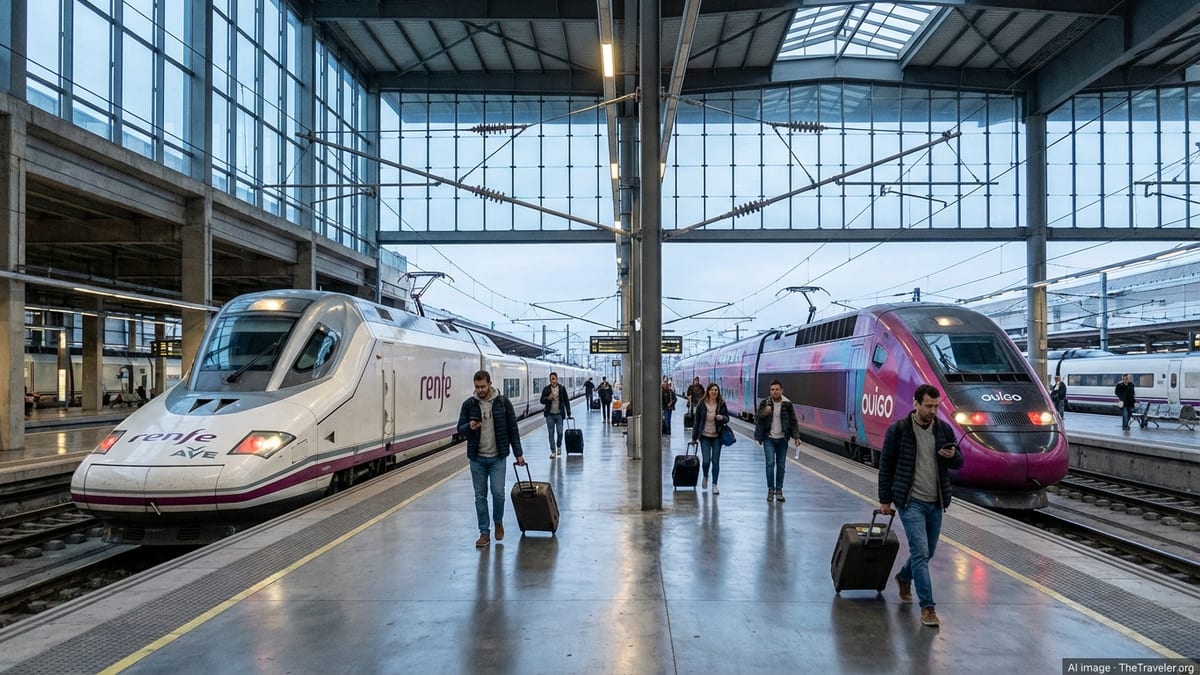
The country’s transport network is extensive and modern. Spain operates one of the world’s largest high-speed rail systems, linking Madrid with Barcelona, Seville, Valencia, Málaga and other key cities in a matter of hours. Conventional rail, long-distance buses and an expansive motorway grid connect regional centres and rural areas. Major international airports around Madrid, Barcelona, Málaga, Palma de Mallorca, Alicante and the Canary Islands handle the bulk of overseas arrivals, with seasonal routes expanding capacity during peak periods.
Travel conditions vary by season and region. Summers in many inland and southern areas can be extremely hot, which has prompted health authorities and local administrations to expand shade, cooling centres and public guidance on heat safety. Coastal climates are generally milder, while northern regions experience more Atlantic-style weather with cooler temperatures and frequent rain. Wildfire risk and water restrictions may affect certain activities in particularly dry years, and travellers are advised in official advisories to monitor local updates, especially during summer months.
From a cultural perspective, Spain offers a multilingual environment, with Spanish as the official national language and co-official languages such as Catalan, Galician and Basque in several regions. Mealtimes, business hours and public holidays can differ from northern European or North American norms, with later dining and extended summer opening hours in many destinations. For tourism businesses and visitors alike, these practical details, combined with Spain’s evolving economic and environmental context, define the country’s profile as a leading travel destination in Europe.