


More news on this day
Air travel across the Middle East is entering a fragile new phase as more airlines reinstate limited services to key hubs after this year’s Iran conflict, even as suspended routes, detours and tight capacity continue to ripple through global flight schedules.
Get the latest news straight to your inbox!
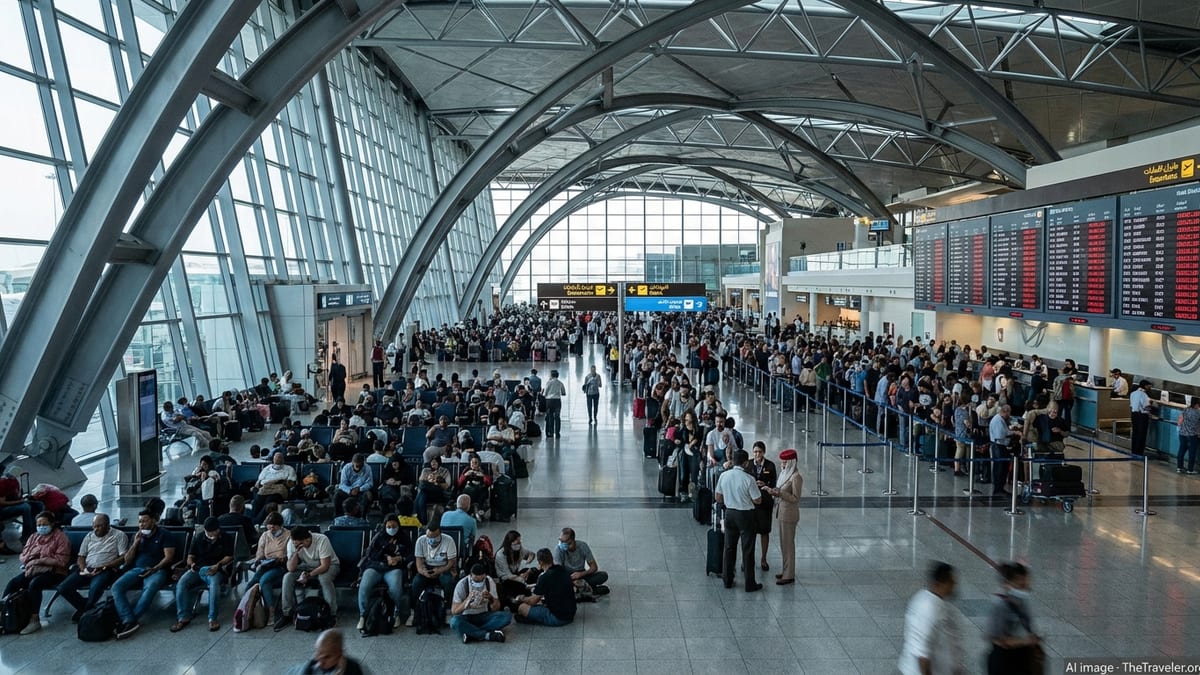
Patchwork Restart as Carriers Edge Back Into the Region
According to recent international news coverage, more full service and low cost airlines are gradually restoring flights to parts of the Middle East after widespread cancellations triggered by U.S. and Israeli strikes on Iran earlier in 2026 and subsequent retaliatory attacks. The initial shock led to sweeping airspace closures and temporary shutdowns at several major hubs, effectively severing some of the busiest corridors between Europe, Asia and Africa.
Updated factboxes published by global financial and aviation outlets in mid July indicate that some European and Asian carriers have now resumed services to destinations such as Dubai, Riyadh and Tel Aviv, often on a reduced schedule compared with pre conflict levels. In several cases, airlines that had halted flights in March and April have restarted operations only in recent weeks, highlighting the slow and uneven pace of recovery.
Regional specialists based in the Gulf have tended to move faster in rebuilding their networks, adding back capacity to connect through their hubs while still adjusting routings to avoid higher risk airspace. Publicly available airline schedules show that frequencies remain well below normal on many routes, and that some secondary destinations served before the conflict remain off line.
For international travelers, the result is a mixed picture: seats are returning on certain trunk routes, yet the overall system remains fragile, with pockets of the Middle East still largely inaccessible by air or reachable only via lengthy detours.
Key Hubs Reopen While Others Stay Dark
Coverage from business and transport news organizations describes a region split between airports that have moved back into regular operation and others that remain shut or heavily restricted. Dubai International and other Gulf hubs have gradually restored passenger services after earlier disruptions, although airlines using these gateways are still reworking timetables and routings to account for neighboring airspace constraints.
In contrast, flights to and from Iran remain widely suspended. Public aviation databases and open source reports show that international services to Tehran’s main international airport have not yet resumed, reflecting continued security and regulatory uncertainty over Iranian airspace. This ongoing closure limits options for both point to point travel and connections that once crossed northern Gulf and Iranian corridors.
Elsewhere, airports in Israel, Lebanon and parts of Iraq have seen a phased return of operations, but often with a narrower range of foreign carriers than before the conflict. Some European airlines have restored links to Tel Aviv and Beirut after months of suspension, while others have pushed back their return dates into late summer or early autumn, citing safety assessments and commercial considerations.
The patchwork status of these hubs means that traditional one stop itineraries between Europe and South or Southeast Asia via the Middle East are still not fully reliable. Travelers are increasingly being funneled through alternative gateways in Southern Europe, Central Asia or the Indian subcontinent, adding complexity and time to long haul journeys.
Airspace Detours Drive Longer Flights and Higher Costs
Industry analyses from aviation bodies and consultancy reports highlight that the reopening of some airports has not resolved broader airspace challenges. Large portions of the skies over Iran, Iraq, Syria and Israel remain restricted or avoided by many carriers, forcing aircraft onto more southerly or northerly tracks that can add significant distance to Europe Asia and Africa Asia routes.
These diversions translate into longer flight times, increased fuel burn and tighter aircraft utilization, limiting the number of rotations a single jet can operate in a given day. Airlines have responded by trimming frequencies on certain routes, reassigning larger aircraft to high demand city pairs and, in some cases, delaying the relaunch of services where the economics no longer support pre war schedules.
Economic outlooks from global airline associations suggest that Middle Eastern carriers in particular are contending with a combination of elevated operating costs and constrained capacity, even as passenger demand remains robust. This imbalance is likely to keep fares elevated on some long haul routes that traditionally relied on Gulf and Levant hubs, especially during the peak northern summer travel period.
For cargo operators, similar routing constraints have added pressure to supply chains connecting Asia, Europe and Africa. Logistics bulletins published in June and July describe extended transit times through the region and limited uplift on certain sectors, despite the gradual return of passenger belly capacity.
Travelers Face Volatile Schedules and Limited Choice
For individual passengers, the gradual resumption of flights has not eliminated day to day uncertainty. Airline advisories and traveler reports point to continued short notice changes, including rerouting via alternative hubs, downgauged aircraft and rolling cancellations on routes that are only just being restored.
Many carriers have kept flexible booking policies in place, allowing itinerary changes where routes are still affected by conflict related restrictions. However, reduced frequencies and concentrated capacity on a smaller number of flights can make rebooking challenging, with fewer available seats and higher average fares than before the crisis.
Travel forums and consumer coverage suggest that passengers transiting through Gulf and Levant hubs are being advised to allow longer connection times and to monitor their bookings closely in the days leading up to departure. Frequent updates to routings as airlines respond to shifting overflight permissions mean that even operating flights may follow unfamiliar paths and arrival times may vary.
For leisure travelers planning itineraries that combine multiple regional destinations, the current environment often requires greater flexibility and a willingness to adjust routes and dates around limited flight options. Business travelers, meanwhile, face the prospect of longer journeys and less direct access to key markets across the Middle East.
Outlook: Gradual Repair, Persistent Risk
Looking ahead, public forecasts from industry analysts and airline trade groups anticipate a slow repair of Middle Eastern air connectivity as diplomatic efforts around the Iran conflict continue. More airlines are expected to add back capacity if security conditions stabilize and regulators ease restrictions on certain airspace corridors.
At the same time, many operators appear cautious about committing to pre conflict schedules. Numerous carriers have published extended suspension dates for specific routes into September and October, underlining expectations that full normalization remains months away at best. Several have also indicated that when services do resume, they may do so with reduced daily frequencies and a trimmed list of destinations.
For global travel patterns, this suggests an extended period in which traditional Middle East hub and spoke networks operate below full strength and airlines elsewhere compete to capture connecting traffic via alternative routings. The balance between safety, operational complexity and commercial demand will continue to shape which flights return first and which remain absent from timetables.
For now, the resumption of some Middle East flights offers a measure of relief for travelers and the aviation industry, but the broader disruption set in motion by the Iran conflict still defines how and where the world flies across this strategically vital region.