


Localrent.com has quietly become one of the go to sites for renting cars from small local companies across places like Georgia, Montenegro, Turkey, Spain and beyond. Its prices are often lower than the big international brands and many travelers report excellent experiences. At the same time, reviews and forum threads show that some renters walk away frustrated, out of pocket or even stranded. The difference often comes down to how well you understand the platform and the small print of the individual local suppliers you book with.
Get the latest updates straight to your inbox!
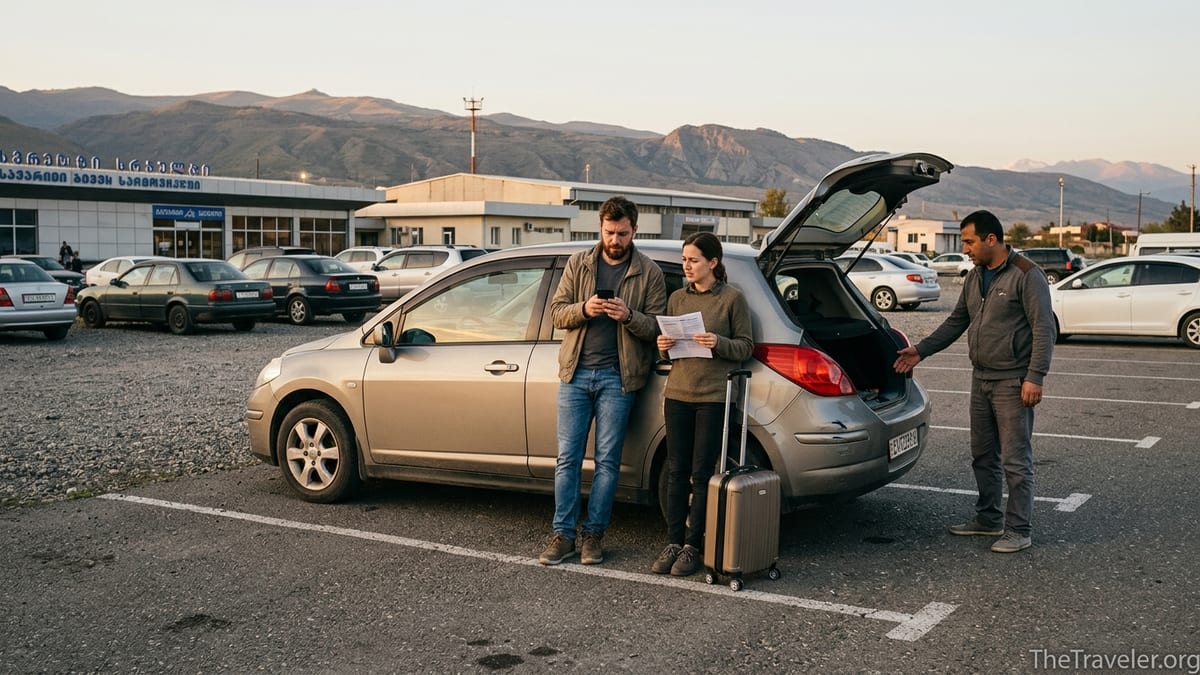
Not Understanding What Localrent Actually Is
One of the most common mistakes is treating Localrent as if it were a traditional rental brand like Hertz or Avis. Localrent is an aggregator that connects you with small, independent rental companies in each destination. When you book a Hyundai i20 in Tbilisi or a Dacia Duster in Podgorica, you are really booking with a local operator that lists its cars on Localrent, not with Localrent itself. That distinction matters because the actual rental contract, insurance conditions and deposit rules are those of the local company, not a single unified Localrent policy.
Travelers who miss this point sometimes expect standardized fleets and procedures. For example, someone used to picking up a nearly new compact from a major brand at Barcelona Airport might be surprised to receive a five year old sedan with 150,000 kilometers on the clock from a small Localrent partner in Batumi. On the same platform, another renter in Crete may get a practically new SUV. The variation is normal because each listing belongs to a different company. Go in expecting variety and you will be less disappointed and better prepared to choose carefully.
This misunderstanding can also lead to confusion about who is responsible when something goes wrong. If a local supplier in Kutaisi cancels a booking at short notice or disputes damage, the dispute will involve that supplier first and only then Localrent support as an intermediary. Thinking of Localrent as “the rental company” can create false expectations about how quickly problems can be solved on the ground. In practice, it is closer to booking a guesthouse on a marketplace rather than staying at a standardized chain hotel.
The solution is to approach every booking as a three way relationship: you, the local rental company and the platform. Before you confirm, read the name of the supplier, search for their reviews and understand that your experience will depend at least as much on that specific company as on Localrent itself. This mindset shift alone eliminates a lot of disappointment.
Skipping the Fine Print on Deposits, Insurance and Mileage
Because Localrent works with many different suppliers across dozens of countries, the conditions for deposits, insurance and mileage allowances can vary dramatically from car to car. A frequent mistake is assuming that what you saw for one Localrent booking will apply everywhere else. In reality, you might book a car in Tbilisi with “no deposit, full insurance included” and then assume the same when you reserve in Antalya, only to discover on arrival that the Turkish partner expects a 400 euro cash deposit and offers only basic insurance.
Concrete examples from traveler reports highlight how this plays out. In Georgia and Armenia, many Localrent listings advertise no deposit and generous damage waivers, which is one reason the platform is so popular there. Some renters say they handed over just the rental fee in cash and returned the car without any issues. In contrast, in certain Mediterranean destinations like Spain or Cyprus, Localrent partners may work more like traditional car hire firms, pre authorizing several hundred euros on your card and charging extra for full coverage. If you did not notice the difference when booking, your travel budget can take an unexpected hit at pick up.
Mileage limits are another point where inattention causes trouble. Some Localrent cars include unlimited kilometers, while others cap you at, say, 200 kilometers per day with a per kilometer fee beyond that. It is easy to click past this detail when you see an attractive daily rate, but on a road trip from Porto to Lisbon and back, or a loop through Montenegro’s national parks, those extra kilometers add up. Travelers have reported paying sizable surcharges at the end of the rental because they assumed unlimited mileage and did not track their driving.
Before confirming any booking, spend a few extra minutes going through the conditions on the car’s page. Look for headings that mention deposit amount, insurance type (such as CDW, full coverage, theft protection), mileage limits, border crossing permissions and young driver fees. If a low price seems too good compared with other listings in the same city, check whether the difference is due to a higher deposit, limited kilometers or a very basic insurance package that leaves you liable for almost all damage.
Focusing Only on Price and Ignoring Supplier Reviews
Localrent’s biggest attraction is often price. Travelers planning a week in Georgia or a road trip in Montenegro frequently find that the platform beats big name companies by 20 to 30 percent, especially for older but mechanically sound vehicles. The temptation is to sort by lowest price and click the cheapest option with little further thought. That is where many problems begin. Not all local partners are equal in terms of service, punctuality or fairness in handling damage disputes.
Online reviews paint a very mixed picture. On one hand, there are plenty of accounts of seamless experiences: a family in Tbilisi picking up a well used but reliable sedan with no deposit and full insurance, returning it without hassle and praising both the local company and Localrent support. On the other hand, some travelers describe serious issues. In one widely circulated example from Georgia, a small partner company allegedly remotely disabled a customer’s car in the mountains near Mestia after accusing them of violating terms, then demanded several hundred euros on the spot before restoring the vehicle. In another case, renters in Kutaisi reported that their car was significantly older and more worn than the photos suggested, and that the supplier was late both at pick up and drop off.
These stories underscore the need to look beyond the daily rate. When browsing Localrent, click through to see the rating of each car and of the partner company. Many listings show user scores and detailed comments about punctuality, cleanliness, communication and how damage was handled. If you notice a pattern of complaints about aggressive damage charges, no shows or poor maintenance, think twice about booking that supplier even if the price is attractive. Instead, consider paying a little more for a company with many positive reviews and clear communication.
It also helps to cross check the supplier’s name outside Localrent. If the listing identifies the local firm, plug that name into a search engine with the city, for example “Kutaisi car rental [company name]” or “Tbilisi car hire [company name].” See what comes up on independent review sites or travel forums. When travelers report consistently fair treatment and prompt roadside help, you can be more confident. When the same company appears in stories of disputes and unexpected fees, that is a red flag. A half hour of research can save you entire days of stress during your holiday.
Overlooking Communication and Documentation Before Pickup
Another recurring mistake is treating the booking confirmation as the end of the process, rather than the beginning of a conversation with the local rental company. With Localrent, after you reserve a car, the partner often contacts you directly by email, WhatsApp or SMS to confirm details like pickup time, location and required documents. Some renters ignore or delay these messages, assuming everything is fully automated. That can lead to misunderstandings, identity verification issues or even cancellations.
In Georgia and elsewhere, it is common for local partners to ask you on WhatsApp to send photos of your passport and driver’s license in advance so they can prepare the contract and insurance paperwork. Some travelers are understandably cautious about sharing ID copies over messaging apps and simply refuse without further discussion. Others miss the messages entirely. In a few reported cases, suppliers then treated the booking as unconfirmed and either canceled it or delayed pickup, leaving travelers waiting at the airport. While you should always think carefully about data security, ignoring these requests without trying to find an alternative can create real problems.
A more balanced approach is to communicate actively. When a supplier reaches out, reply promptly, confirm your arrival time and clarify how they prefer to handle documents. You can ask if they are willing to scan or photograph your passport and license when you meet in person instead of by message. If they insist on getting copies in advance and you are not comfortable, you can contact Localrent support through your account and ask for guidance or, if necessary, request to switch to another supplier. The key is to resolve the issue before you land, not at the curb with luggage in hand.
Good documentation at pickup is just as important. Some travelers, especially when renting older cars at bargain rates, skip a thorough inspection in their rush to get going. Later, when they return the car, any pre existing scratches, small dents or windshield chips can become a source of dispute. A simple habit can prevent this: when you meet the representative, walk slowly around the car together and take time stamped photos or a short video of every side, the wheels, the interior and the fuel gauge. Make sure any visible damage is marked on the paper or digital contract before you sign. This is particularly vital with suppliers that do take a deposit or have high excess amounts on their insurance.
Misjudging Car Choice and Road Conditions
Because Localrent offers a wide range of vehicles from many small providers, travelers sometimes pick the wrong car for the local terrain and driving style. A classic mistake is choosing the cheapest city car in a country where you plan to tackle steep mountain passes or unpaved village roads. In Georgia, for instance, some Localrent users happily drive small front wheel drive hatchbacks around Tbilisi and the main highways, but regret their choice when they head toward Tusheti or remote areas near Kazbegi where ground clearance and all wheel drive matter a great deal.
Real world reports highlight both sides. On the positive end, many travelers describe renting robust SUVs or 4x4s through Localrent for routes like Montenegro’s Durmitor loop or Georgia’s Svaneti region, appreciating the flexibility and reasonable price compared with international chains. On the negative end, others recount struggling up gravel tracks in underpowered compacts, scraping the underbody and then worrying about potential damage claims. In some cases, local partners warn renters at pickup that certain roads are off limits under the contract, but this does not always happen, especially if communication is rushed.
Think carefully about where you plan to drive before booking. If your itinerary stays mainly on highways and in cities, an older sedan or hatchback from a well rated Localrent partner can be a smart and economical choice. If you intend to explore remote beaches in Crete, highland monasteries in Armenia or mountain villages in Georgia, paying extra for an SUV with decent clearance and, ideally, all wheel drive is a wise investment. It also pays to check whether your planned routes are allowed under the rental terms. Some suppliers explicitly forbid driving to certain regions or on rough tracks, and violating these rules can, in extreme cases, void insurance or lead to accusations of reckless use.
Fuel policy is another practical detail people overlook. Some Localrent cars are “full to full,” meaning you pick up the car with a full tank and must return it full. Others in certain cities operate on a “same level” or even “return it as is” basis. If you are not clear on the policy, you can easily be charged for fuel at above market prices or lose money by overfilling shortly before drop off. Ask the representative to note the fuel level on the contract and take a photo of the dashboard at pickup and drop off, especially when the gauge is not exactly on full.
Assuming Customer Service Works Like a Global Chain
Travelers used to big brand desks at airports sometimes expect the same kind of 24 hour, multi language support and instant vehicle swaps when booking through Localrent. That expectation does not always match reality, especially in smaller destinations or with very small local partners. Localrent itself provides online support, and many reviewers praise the team for responding to messages and mediating disputes. But on the ground, if your car breaks down outside business hours in a remote part of Georgia or Montenegro, help may depend entirely on the reach and responsiveness of the small company that owns the vehicle.
There are many positive examples. Renters have described Localrent partners in Tbilisi sending a mechanic within a couple of hours after a minor breakdown, or swapping a car the next morning when a check engine light appeared. Others mention receiving quick partial refunds arranged by Localrent when a supplier clearly failed to deliver the agreed car class. Yet there are also cases where travelers felt stranded. In one story, a renter reported waiting much longer than expected for roadside assistance after a flat tire in rural Turkey, while in another, a family in Spain complained that the local firm was slow to answer calls about a warning light and gave vague instructions.
To avoid unpleasant surprises, adjust your expectations and prepare a backup plan. When you receive your voucher, note both the Localrent support contacts and the local supplier’s emergency numbers. Ask at pickup what you should do if the car develops a problem at night or during public holidays. Clarify whether roadside assistance is included and in what radius. In rural areas, it can be wise to keep enough local currency on hand for a taxi or hotel if you need to stop unexpectedly. Think of Localrent as a way to access local prices and local businesses, with all the advantages and limitations that implies, rather than as a substitute for the infrastructure of a multinational chain.
Also remember that some online review platforms and scam checking sites use automated tools that rate Localrent as medium risk simply because it is not a household name and hosts many small suppliers. Those ratings can be useful as a prompt to research more deeply, but they do not tell the whole story. Reading detailed traveler experiences, both good and bad, gives a more nuanced picture and helps you decide if the combination of savings and local flavor suits your risk tolerance.
The Takeaway
Renting a car through Localrent.com can be an excellent way to support local businesses and access competitive prices in destinations where the big international brands either do not operate widely or charge a premium. Many travelers complete their rentals without any problems and become repeat users of the platform. The issues that do arise tend to follow a pattern: misunderstanding the platform’s role, skipping the fine print, ignoring supplier reviews, neglecting communication and documentation, misjudging car choice for local conditions and assuming global chain style support from very small operators.
If you approach Localrent with clear eyes, you can minimize these risks. Treat each car as an individual offer from a distinct company, read and compare the conditions carefully, prioritize well reviewed suppliers over rock bottom prices, respond proactively to messages from local partners and thoroughly document the car at pickup and drop off. Match your vehicle choice to your route and driving style, and be realistic about what kind of help you can expect if something goes wrong in a remote area.
Ultimately, Localrent works best for travelers who are comfortable with a bit of variability and who value price and local connections over the standardized experience of a global chain. By avoiding the common mistakes outlined in this article and preparing thoughtfully, you can enjoy the freedom of the open road in places like Georgia, Montenegro, Turkey, Spain or Armenia, without unpleasant surprises overshadowing your trip.
FAQ
Q1. Is Localrent.com a legitimate car rental platform?
Localrent is a real company that has operated for years as an aggregator of small local rental firms in various countries. Many travelers report smooth rentals and good support, while others describe issues with specific local partners. It is not a scam in the simple sense, but you should research each supplier carefully and read current reviews before booking.
Q2. Who am I actually renting from when I book on Localrent?
When you book through Localrent, your actual rental contract is with the local company that owns the car, not with Localrent itself. Localrent provides the marketplace, handles prepayments and offers customer support, but the car, insurance and day to day service are managed by the individual supplier shown on your booking.
Q3. Why do some Localrent cars require no deposit while others block several hundred euros?
Deposit policies are set by each local supplier. In some countries, especially where Localrent is well established, many partners offer low or zero deposits to attract customers. In other places, companies follow more traditional rules and pre authorize a significant amount on your card. Always check the deposit section in the car’s conditions before confirming.
Q4. How can I avoid hidden fees when using Localrent?
To avoid surprises, carefully read the listing for mileage limits, fuel policy, border crossing rules, late return charges and insurance coverage. Compare several cars in the same city to see what is standard. If any term is unclear, message the supplier through the platform before booking. Keeping photos of the car and fuel gauge at pickup and drop off also helps prevent disputes.
Q5. Is it safe to send my passport and driver’s license via WhatsApp to a Localrent partner?
Some local suppliers ask for ID photos on messaging apps to prepare contracts and insurance documents in advance. While this is common practice in some regions, it is reasonable to be cautious. If you are uncomfortable, ask to show your documents only in person at pickup or contact Localrent support to confirm the request and discuss alternatives.
Q6. What should I do if the car I receive is older or more worn than in the photos?
If the car’s condition is significantly worse than advertised, raise the issue immediately with the representative. Politely request a different vehicle or a written note that existing damage will not be charged to you. Take clear photos or video of the car, and if you cannot reach agreement, contact Localrent support from the pickup location while you still have options.
Q7. Can I drive a Localrent car on rough roads or into the mountains?
That depends on both the car type and the supplier’s terms. Some companies explicitly forbid driving on certain unpaved routes or into specific regions. Before booking, consider your planned itinerary and choose a suitable vehicle, such as an SUV for mountainous or rural areas. At pickup, ask which roads are allowed and whether using the car off paved roads affects your insurance coverage.
Q8. How reliable is roadside assistance with Localrent bookings?
Roadside help is generally provided by the local rental company, not by Localrent centrally. In cities and popular tourist areas, assistance may arrive reasonably quickly, while in remote regions response times can be longer. Check whether roadside assistance is included, note all emergency numbers at pickup and have a basic backup plan in case you need to wait or arrange your own transport.
Q9. What is the best way to choose a good supplier on Localrent?
Look beyond the price and pay attention to ratings, the number of reviews and detailed comments about punctuality, car condition and how damage disputes were handled. Cross check the supplier’s name on independent review sites or travel forums. Choosing a slightly more expensive but well reviewed company is often cheaper in the long run than gambling on the absolute lowest price.
Q10. Should I use Localrent or stick to big international rental brands?
The right choice depends on your priorities. Localrent can offer better prices and more flexible options, especially for older vehicles and in destinations where big brands are limited. International chains usually provide more standardized cars and procedures, which some travelers prefer. If you are willing to research conditions and suppliers carefully, Localrent can be a great value option. If you value predictability above all, a major brand may suit you better.