


Across Europe, the Caucasus, the Middle East and parts of Africa, a quiet shift is happening in the way independent travelers book cars. Instead of defaulting to global brands at the airport desk, more people planning road trips in places like Georgia, Montenegro, Cyprus or Portugal are opening Localrent.com in their browser and picking up keys from a small neighborhood operator. The appeal is simple: lower prices, more flexible terms and cars that are actually suited to local roads. But the reality, as always with travel, is more nuanced.
Get the latest updates straight to your inbox!
What Localrent Is and Where It Is Growing
Localrent is an online car rental marketplace that connects travelers with small, independent rental companies in popular regional destinations. Rather than operating its own fleet, the company aggregates cars from dozens or even hundreds of local suppliers and lets you compare them in one place. According to its multilingual European sites, Localrent now covers much of Southern and Eastern Europe along with selected countries in the Middle East, North Africa and Asia, including Spain, Portugal, Italy, Greece, Croatia, Montenegro, Albania, Georgia, Armenia, Cyprus, the United Arab Emirates, Jordan and Morocco among others. In many of these markets its inventory runs into the hundreds or even thousands of vehicles per country, from basic hatchbacks to SUVs and convertibles.
This regional focus means Localrent tends to appear in trip-planning conversations for destinations where big-brand rental desks can be limited, expensive or inflexible. Travelers posting recent reviews mention using the platform for road trips in Georgia’s Caucasus mountains, beach breaks in Cyprus, island hopping in Greece and coastal drives along Montenegro’s Bay of Kotor. In these places, international chains might only operate in the capital or at a few airports, while Localrent’s partners deliver cars to guesthouses, ports and smaller regional airports.
The platform has been operating since the early 2010s and now processes tens of thousands of bookings a year, according to its own company information and third-party review sites. Trustpilot, for example, shows thousands of reviews in mid 2026 with an aggregate score in the "excellent" range, though there is also a small but vocal minority of negative experiences. Understanding this mix of feedback is essential to using Localrent effectively.
Why Travelers Compare It With Traditional Rental Giants
The most obvious reason travelers land on Localrent is cost. In price comparisons shared in reviews and forums, it is common to see quotes through Localrent that are significantly lower than what global brands like Hertz, Avis or Sixt are offering for the same travel dates. For example, a traveler planning an August trip to Tbilisi might see compact cars from Localrent partners advertised at roughly the equivalent of 20 to 30 dollars a day with full insurance and no deposit, while a major international chain could easily quote double that with a substantial hold on a credit card. In Montenegro and Albania, visitors regularly report finding small manuals for around 25 to 35 euros per day in peak season, sometimes including a generous mileage allowance and free additional driver.
Another advantage is flexibility around deposits and payment methods. In countries like Georgia or Armenia, several Localrent suppliers offer no-deposit rentals or accept cash payment on arrival, an appealing option for travelers whose debit cards do not work well for traditional rental holds. Forum contributors who struggle to get their European debit cards accepted by large chains frequently note that Localrent partners were willing to work with them using basic bank cards, Revolut-style fintech cards or even cash, particularly on older vehicles.
There is also the issue of regional coverage and cross-border use. Many global chains impose strict limits or high fees for taking a car from, say, Croatia into neighboring Bosnia and Herzegovina or Montenegro, or from Georgia into Armenia. Localrent’s local partners, by contrast, often specialize in these exact routes. Several suppliers in Tbilisi or Yerevan advertise permission to cross between the two countries with the right paperwork and a modest surcharge, while coastal agencies in Montenegro may allow day trips into Croatia or Albania in vehicles they know are insured for those borders. For travelers stitching together multi-country itineraries, these local policies can be the difference between a feasible road trip and endless bus transfers.
Real-World Booking Scenarios Around the Region
To understand why Localrent has become part of so many route-planning conversations, it helps to look at concrete examples that mirror actual bookings. Consider a couple plotting a two-week loop through Georgia in September: they want to pick up a car in Tbilisi, visit wine country in Kakheti, continue to the mountain town of Stepantsminda, then head west to Kutaisi and the Black Sea coast. On Localrent they might filter for a compact SUV with higher ground clearance, unlimited mileage and full insurance. The search could surface a five to seven year old Toyota RAV4 from a local Tbilisi operator at around 35 to 40 dollars per day, with airport pickup included, delivery of the car to their guesthouse at the end of the trip and no deposit required.
In Cyprus, a solo traveler flying into Larnaca for a week of beach hopping and archaeological sites may find that major brands charge high-season rates and insist on hefty card deposits. On Localrent, a simple automatic hatchback from a Larnaca-based family firm can appear at an all-in price roughly in the 25 to 40 euro range per day in shoulder season, with the option of paying the balance on arrival and using a basic debit card for security. The car might not be brand new, but reviews frequently mention that these local fleets are clean, mechanically sound and come with more generous mileage policies than the big chains.
In Portugal or Spain, where international brands are already well established, Localrent tends to appeal to budget-conscious travelers and those starting outside the major hubs. A group of friends beginning a surf road trip in a smaller Algarve town or on Madeira might use the platform to find a Portuguese-run van or wagon that can be delivered to their rental apartment, saving a detour to Faro or Lisbon airports. Similar patterns show up in Croatia and Montenegro, where travelers base themselves in Split, Dubrovnik, Kotor or Budva and arrange car delivery to their accommodation rather than trekking to an industrial-area depot.
How Localrent’s Local-Supplier Model Works in Practice
Localrent’s basic model is straightforward. The platform lists cars from its partner agencies with photos, approximate age, mileage allowance, insurance options and user reviews. When you reserve, you typically pay a small prepayment online that secures the booking, while the remainder is settled directly with the local company when you collect the vehicle. In many cases, you coordinate final details by email, phone or messaging apps such as WhatsApp with a named representative from that local rental firm.
This structure creates both benefits and risks. On the positive side, you are often dealing with an owner-operated business whose staff genuinely know local driving conditions. Travelers renting in mountainous regions of Georgia or on the steep coastal roads of Montenegro often describe being shown which routes to avoid after heavy rain, how to tackle local toll systems, or where police speed checks are common. In Cyprus or Crete, local staff might point out unmarked village speed bumps, advise on narrow streets better visited on foot, or share tips on less crowded beaches reachable by rental car.
The risk is that service quality varies from one supplier to another, even within the same destination. One Localrent partner in Tbilisi may offer pristine late-model cars and meticulous customer service, while another operates older vehicles with patchy maintenance. Online reviews reflect this spread. Some renters talk about clean, nearly new cars and effortless airport handovers; others report worn interiors, weak air conditioning or minor cosmetic damage, as well as occasional disputes over refueling or cleaning fees at return. In a handful of high-profile accounts from Georgia, travelers describe serious conflicts with individual local partners, including attempted extra charges and even remote disabling of vehicles after disagreements over driving on rough roads.
Because of this variability, Localrent emphasizes that it monitors suppliers and removes those that generate persistent complaints, but travelers should still approach each booking with the same caution they would use on any peer-to-peer or marketplace platform. Reading recent reviews for the specific car and supplier, not just for Localrent as a whole, is critical to understanding what you are likely to get on arrival.
Key Advantages Travelers Cite When Using Localrent
Across independent reviews and forum posts, several recurring themes explain why Localrent keeps attracting repeat customers, especially in Southeast Europe and the Caucasus. Price remains central. Travelers organizing long itineraries in budget-friendly countries like Armenia, Georgia or Albania often report daily rates that make hiring a car for a week only marginally more expensive than using taxis and shared transfers, yet far more flexible. In practical terms, paying around 25 pounds or euros per day for a reliable compact car allows a small group to reach remote monasteries in Armenia, lakeside villages in North Macedonia or hilltop fortresses in Montenegro that would be hard to visit using public transport.
Another major selling point is transparent insurance options. Many Localrent listings break down exactly what the included cover does and does not protect, and offer reasonably priced upgrades that cap or remove the excess. In regions where bumpy roads, stray livestock and tight parking make scratches feel inevitable, the ability to take a car with full damage waiver and a low or zero deposit gives nervous drivers peace of mind. Some travelers specifically note choosing slightly older vehicles on Localrent because they feel less worried about small cosmetic damage compared with the pristine new cars of multinational companies.
Travelers also appreciate small but meaningful conveniences such as free delivery to hotels within city limits, child seats provided at modest cost, and flexible out-of-hours pickups arranged directly with the local owner. In Tbilisi or Yerevan, that might mean your car arriving at your guesthouse at seven in the morning so you can beat the heat on the drive to the mountains; in Dubrovnik or Split, it could be a late-night drop-off at a ferry port after a day of island touring.
Risks, Complaints and How to Mitigate Problems
Despite the many positive experiences, Localrent is not free from criticism. Alongside glowing feedback on Trustpilot and travel forums, there are also reports of poor communication, cars in worse condition than advertised and, more seriously, disputes over damage, off-road use and extra charges. A small number of travelers who rented vehicles in Georgia describe stressful incidents in which their local supplier remotely disabled the car or threatened penalties after the renter drove on roads the company considered prohibited. Others have found themselves caught between Localrent’s customer support and the local agency, with each side deflecting responsibility when something goes wrong.
To reduce the risk of unpleasant surprises, experienced users of the platform tend to follow a few practical steps. First, they scrutinize reviews written in the last six to twelve months for the specific supplier they are considering, looking carefully for repeated mentions of issues like unexpected fees, poor maintenance or aggressive behavior. Second, they pay close attention to the rental terms listed on the booking page, especially rules about unpaved roads, cross-border travel, mileage limits and cleaning or administrative fees. A road in Georgia or Montenegro that looks like a tempting shortcut on a mapping app might be explicitly excluded in the rental contract.
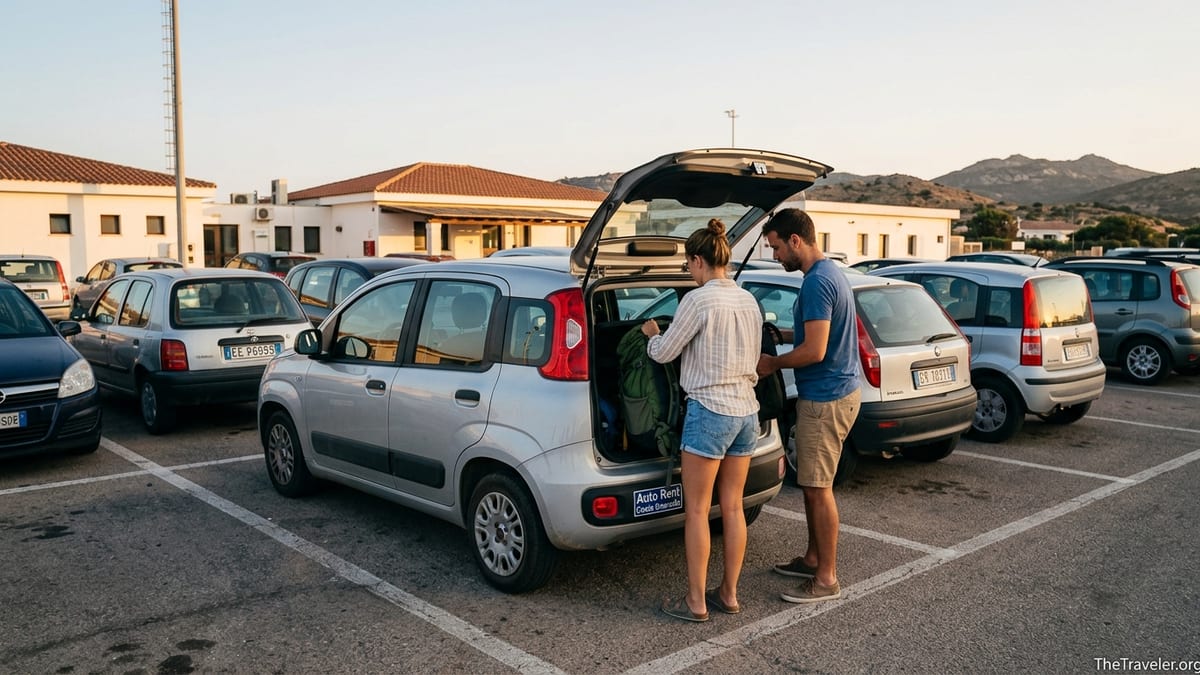
On arrival, cautious renters insist on a thorough walkaround with photographs or video documenting every scratch, chip and interior stain before signing anything. They make sure any defects are noted in writing by the local agent. During the rental, they keep all communication about route permissions, border crossings or incident reports in text form where possible, via email or messaging apps. If a dispute arises, this documentation can be invaluable in discussions with both the local supplier and Localrent’s support team.
Travelers who prefer the predictability of large global chains may still feel more comfortable sticking with them in certain destinations, especially where road conditions are challenging or where they anticipate needing formal support in the event of a major accident. Localrent’s strengths lie in flexibility, local knowledge and price, not in providing a uniform experience across dozens of countries.
When Localrent Makes Sense for Your Trip
Localrent tends to work best for travelers who are comfortable with a slightly more hands-on, relationship-based rental experience and willing to trade a bit of standardization for value and local insight. If you are flying into Dubai or Rome purely for a short business trip and want a near-new car with a big-brand logo and corporate-style support, one of the global chains at the airport counter may still be the logical choice, even at a higher price. Their fleets are often newer, their procedures more rigid and their cross-border policies tightly defined.
By contrast, if you are planning a flexible, scenic road trip in places like the Peloponnese in Greece, the Albanian Riviera, Georgia’s wine regions or Jordan’s King’s Highway, Localrent’s network of small suppliers can open up practical options that either do not appear on standard comparison sites or come at a more approachable price point. You might accept a slightly older car with a few scratches in exchange for a no-deposit arrangement and an owner who meets you at your guesthouse with a handful of local driving tips.
The platform also makes sense for longer stays. Digital nomads basing themselves for a month in Madeira, Cyprus or coastal Morocco sometimes use Localrent to negotiate multi-week rentals that undercut standard daily rates at major brands. Because you are dealing with small businesses, it is often possible to message ahead and arrange a customized package that includes extras like second drivers, additional equipment or a mid-rental service check for longer journeys.
Ultimately, the decision comes down to your own risk tolerance and travel style. Localrent is not inherently better or worse than booking direct with a multinational chain; it is simply structured differently. Travelers who take the time to research individual suppliers, photograph their cars carefully and stay within stated rules tend to report smooth, good-value experiences. Those who assume the same rules and support structures as a big-brand airport desk can be caught off guard.
The Takeaway
The rise of Localrent reflects broader changes in how people travel. As more independent travelers design their own complex itineraries across regions like the Balkans, the Caucasus and the Eastern Mediterranean, they are looking for tools that connect them directly with on-the-ground providers. By aggregating small rental companies that understand local roads and expectations, Localrent has carved out a niche between global car hire giants and informal private car arrangements.
Used thoughtfully, the platform can make ambitious road trips more affordable and logistically feasible, whether you are tracing wine routes in Kakheti, exploring the coast from Dubrovnik to Kotor, or linking Lisbon to the surf towns of the Algarve. The key is to treat each booking not as a generic transaction but as a relationship with a specific local business, supported by a marketplace that sets some common rules but cannot eliminate every risk.
For travelers willing to be proactive, read the fine print and document the condition of their car, Localrent can be a powerful way to tap into regional knowledge and avoid the cookie-cutter experience of many airport rental counters. For those who value uniformity and corporate support above all else, the traditional chains remain a safer, if often more expensive, choice. As with most things in travel, understanding your own priorities is the first step to choosing the right keys to pick up at the start of the journey.
FAQ
Q1. Is Localrent a legitimate company or a scam?
Localrent is a real car rental marketplace with thousands of completed bookings and many positive reviews on independent platforms, but experiences vary by local supplier. As with any intermediary, it is important to research the individual company providing your car and read recent reviews before you book.
Q2. In which countries does Localrent operate?
Localrent focuses on popular holiday and road trip destinations across Europe, the Middle East, Africa and parts of Asia. These include countries such as Spain, Portugal, Italy, Greece, Croatia, Montenegro, Albania, Cyprus, Georgia, Armenia, Jordan, the United Arab Emirates, Morocco and others. Coverage and available cities can change, so travelers should check current options directly on the platform when planning a trip.
Q3. Why are prices on Localrent often lower than with big rental brands?
Prices tend to be lower because Localrent partners are usually small local companies with lean overheads and slightly older fleets. They may be willing to accept lower margins or offer discounts to keep their cars on the road, particularly outside peak dates. The trade-off is that cars might not be brand new and service standards can vary.
Q4. Do I need a credit card to rent a car through Localrent?
Not always. One of the attractions of Localrent in countries such as Georgia or Armenia is the availability of no-deposit rentals and suppliers who accept debit cards or cash on arrival. However, terms differ by car and company, and in some destinations a conventional credit card deposit is still required, so travelers should check the payment and deposit rules for each offer.
Q5. Can I take a Localrent car across borders, for example from Georgia to Armenia or from Croatia to Montenegro?
Cross-border travel is sometimes allowed but never guaranteed. Many Localrent partners in the Caucasus and Balkans will permit specific border crossings if you arrange the paperwork in advance and pay a surcharge. Others forbid leaving the country altogether. It is essential to confirm written permission before booking and to carry all required documents at the border.
Q6. How does insurance work when booking through Localrent?
Insurance options are displayed on each listing and typically include basic coverage plus optional upgrades that reduce or remove your excess. Some cars are offered with full coverage and no deposit, while others follow a more standard partial-damage waiver model. Because policies differ widely between suppliers and countries, travelers should read the insurance section carefully and consider taking comprehensive cover if driving in challenging conditions.
Q7. What should I do on pickup to avoid disputes later?
On pickup, you should inspect the car slowly, photograph or video every side, the interior and the wheels, and make sure any existing damage is written into the contract. Check fuel level, mileage and the operation of essentials such as lights and air conditioning. Keeping all communication with the local supplier in writing where possible creates a clear record if disagreements arise when you return the car.
Q8. How reliable are the cars provided by Localrent partners?
Reliability varies. Many travelers report clean, mechanically sound vehicles that complete long itineraries without issues, even when the cars are older. Others describe worn interiors or minor problems such as weak air conditioning. Choosing suppliers with consistently good recent reviews and being realistic about the age and class of car you book can significantly improve your chances of receiving a reliable vehicle.
Q9. Who helps if something goes wrong, Localrent or the local company?
In practice, immediate help on the road usually comes from the local rental company, since they own and maintain the car. Localrent provides the platform, payment processing and customer support, and may step in to mediate disputes, but it is the local supplier that will organize towing, repairs or replacement vehicles. Understanding this split in responsibilities helps set fair expectations before you book.
Q10. Is Localrent a good choice for first-time drivers in a region?
It can be, provided you are comfortable with a slightly less standardized experience and you take extra care in choosing a reputable supplier. First-timers often benefit from the local advice that small agencies provide, but they should also be cautious about road conditions, avoid prohibited tracks and consider full insurance. Nervous drivers or those wanting maximum predictability may prefer established international brands despite the higher prices.