


More news on this day
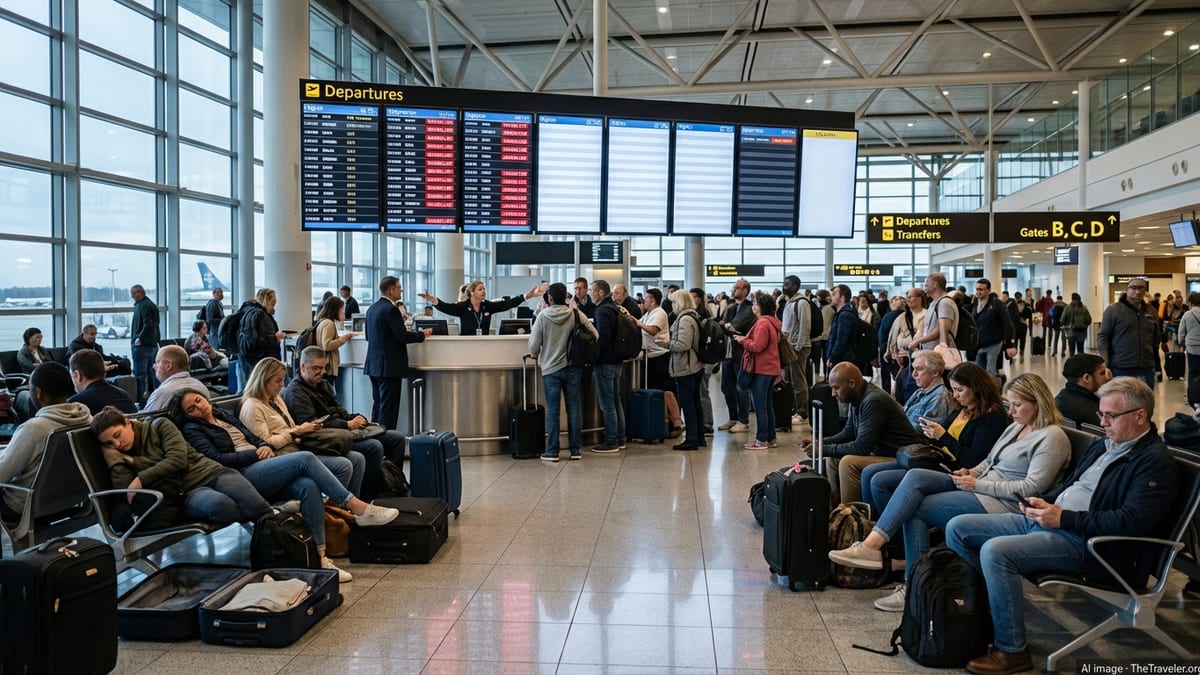
Major airlines are cautiously restoring parts of their Middle East networks after months of conflict-related shutdowns, yet a patchwork of resumptions, extended suspensions and diversions continues to unsettle travel plans worldwide.
Get the latest news straight to your inbox!
Selective Reopenings After Months of Conflict
Published coverage from late June and early July indicates that airlines have begun reinstating select services to major Middle East hubs as regional diplomacy intensifies following strikes involving Iran, Israel and the United States. Flight trackers and schedule filings show more aircraft returning to skies over the Gulf, Saudi Arabia and the Levant, although often at reduced frequency and on modified routings.
Reports on the Iran war’s economic impact highlight how widespread airspace closures earlier in 2026 severed key corridors between Europe, Asia and Africa, forcing thousands of cancellations and leaving airports such as Dubai, Abu Dhabi and Kuwait operating at sharply reduced capacity. As repairs progress and some restrictions ease, capacity is slowly returning, but operations remain far from pre-crisis norms.
Aviation analysts note that airlines are weighing security assessments, insurance costs and demand recovery on a route-by-route basis. The result is an uneven recovery in which some city pairs are back in operation, others remain suspended well into the second half of 2026, and many travelers still need to rely on lengthy detours.
European and Asian Carriers Take a Cautious Line
Factbox-style summaries from financial and travel outlets show that several large European groups are in no rush to fully restore their Middle East schedules. Lufthansa Group carriers, including Lufthansa and SWISS, are reported to be keeping flights to Dubai suspended until at least mid-September, while maintaining earlier cuts to services in Beirut, Tel Aviv and parts of the Gulf.
Information compiled by investment and travel news services indicates that Dutch airline KLM has also extended suspensions on routes to Dubai, Riyadh and other Gulf destinations, with some cancellations stretching into late August and additional reductions flagged for the autumn season. These decisions follow an initial wave of cuts announced in March as the conflict escalated and airspace closures widened.
Farther east, schedule data and airline advisories highlight a similarly cautious approach. At least one major Asian carrier has suspended flights to Dubai and Riyadh until the end of August, while a Nordic airline has cancelled Doha services until early October and continues to route around the airspace of Iraq, Iran, Syria and Israel. These moves underline the extent to which non-Gulf airlines remain wary of flying directly over or into higher-risk areas.
Gulf and Regional Airlines Lead the Rebuild
In contrast, publicly available information suggests that Gulf-based carriers have been among the quickest to rebuild capacity. Aviation and logistics bulletins describe how airlines headquartered in the United Arab Emirates and Qatar began restoring many long-haul routes from March and April, initially focusing on high-demand connections to Europe and Asia while threading new paths around restricted airspace.
Industry reports point out that Middle Eastern airlines have added seats back into the system at a faster pace than some of their global peers, in part to defend their positions as key transfer hubs linking continents. However, they too have had to adapt by flying longer routes skirting conflict zones, which increases fuel burn and complicates aircraft and crew rotations.
Regional carriers serving cities such as Beirut, Amman and Riyadh appear to be operating with more limited schedules, adjusting departure waves to fit around regional curfews and overflight windows. While this helps restore basic connectivity for residents and expatriate workers, it leaves less flexibility for travelers looking to rebook disrupted itineraries at short notice.
Ongoing Disruptions on Europe–Asia Corridors
Travel advisories from consumer outlets and specialist logistics updates emphasize that the wider knock-on effect of Middle East disruptions is still being felt on Europe–Asia traffic flows. Many airlines that would normally overfly Iran and neighboring states continue to take longer routes over the Eastern Mediterranean, North Africa or Central Asia, extending flight times and straining crew schedules.
Analysts tracking schedules note that some low-cost carriers have pushed back resumptions of Israel and Gulf services into late summer or even October, and have kept connections from mainland Europe to Dubai, Abu Dhabi and Amman suspended for much of the peak season. In parallel, long-haul airlines in North America and Asia have shifted capacity to alternative gateways in Europe, bypassing hubs that remain more exposed to regional volatility.
Air cargo and supply-chain reports describe how these diversions and capacity constraints have raised costs for time-sensitive freight, with limited belly space on passenger aircraft and fewer nonstop options via the Gulf. That dynamic adds another layer of pressure on airlines as they decide when and where to bring back full passenger schedules.
Uncertain Summer for Travelers
For passengers, the result is a summer of complex choices. Travel desks and consumer news coverage advise that while more flights are appearing on booking engines to Dubai, Doha, Riyadh, Tel Aviv and Beirut, schedules can change at short notice and some carriers are operating just one daily service on routes that previously saw multiple departures.
Industry outlooks from airline and airport groups suggest that financial performance in the Middle East remains tightly linked to how the conflict evolves and whether additional airspace restrictions are imposed. Even carriers that have restored large parts of their networks face higher operating costs, tight aircraft availability and the risk of renewed disruption if tensions flare.
With some suspensions already extended into September and October, observers expect the region’s air travel landscape to remain fluid well beyond the peak northern summer. Travelers planning itineraries through the Middle East are being encouraged by publicly available advisories to monitor airline schedule updates closely and to allow extra time and flexibility as the industry navigates an uncertain recovery.