


More news on this day
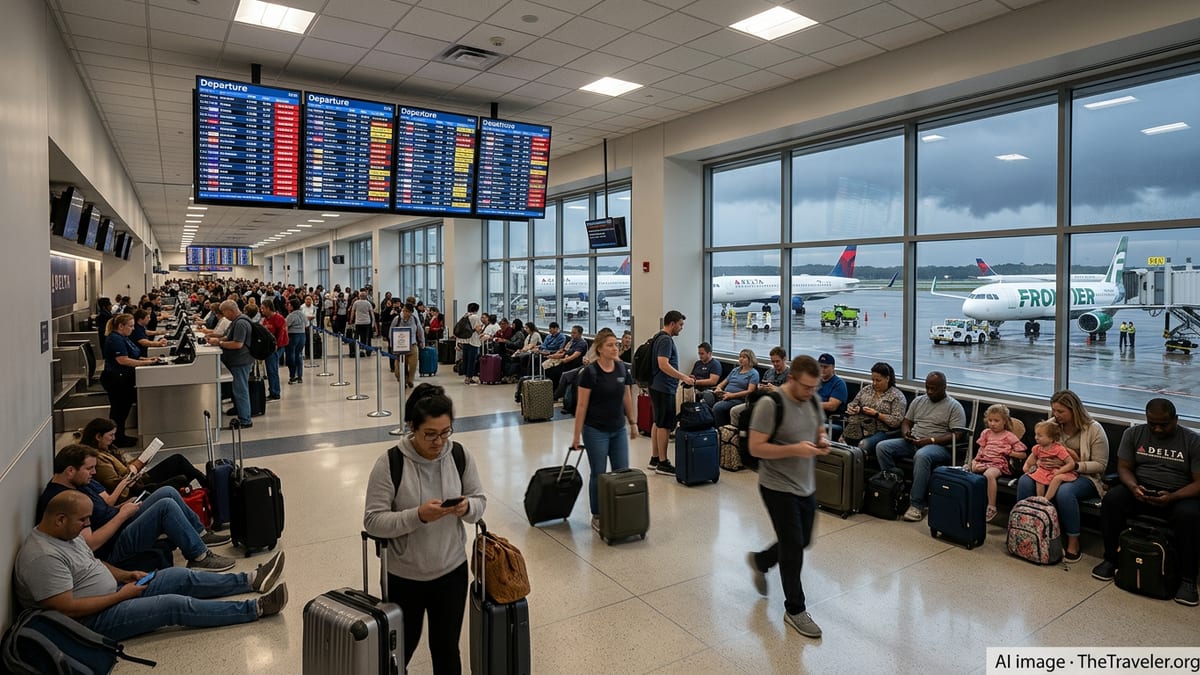
Monsoon storms sweeping across parts of the United States and South Asia are disrupting daily life and air travel, with reports of toppled trees, power outages and hundreds of delayed or canceled flights at major airports.
Get the latest news straight to your inbox!
Desert monsoon batters Phoenix with dust, wind and outages
In the US Southwest, the seasonal monsoon surge brought a volatile mix of high winds, dust and heavy rain to the Phoenix metropolitan area at the start of the week, knocking out electricity to thousands of customers and snarling evening commutes. Local broadcast coverage in Arizona describes a fast-moving storm system that pushed a wall of dust across the Valley before thunderstorms arrived, leaving downed tree limbs and damaged roofs scattered across multiple neighborhoods.
Publicly available information from utility outage maps shows that several pockets of the Phoenix area experienced extended power cuts late Monday, with crews working into the night to restore service. Videos shared by local media depict reduced visibility as dust enveloped freeways and city streets, followed by intense lightning and localized street flooding in low-lying areas.
The same conditions rippled quickly into the aviation system. Phoenix Sky Harbor International Airport implemented temporary ground holds as visibility dropped and wind gusts increased, according to airport status data cited in regional news coverage. Departures were slowed and some arrivals diverted or delayed until conditions improved, compounding knock-on delays for passengers connecting through one of the Southwest’s busiest hubs.
Earlier in the week, a separate dust event over the Phoenix metro also prompted temporary groundings, illustrating how rapidly deteriorating visibility during monsoon season can bring operations to a halt. Travel forums and social posts from passengers describe extended waits on the tarmac and rebookings onto later flights as airlines worked through the backlog.
Thunderstorms disrupt major hubs in Texas and the Southeast
The same broader pattern of unstable, moisture-laden air is contributing to severe thunderstorms around the central and southeastern United States, where several major airports have reported significant disruptions since the weekend. In North Texas, news coverage from Dallas indicates that storms on Monday led to more than 250 flight cancellations and scores of delays at Dallas Fort Worth International Airport, one of the nation’s largest connecting hubs.
Data cited from national flight-tracking services show DFW repeatedly ranking among US airports with the highest number of delayed or canceled flights during the latest round of storms. Passengers reported extended wait times at gates and on taxiways as air traffic managers slowed departures and arrivals to maintain safe spacing in heavy rain and lightning.
Weather-related ground stops have also affected Houston’s two major airports. Reporting from local outlets in Texas indicates that George Bush Intercontinental and William P. Hobby airports experienced ground delays averaging close to an hour as thunderstorms moved across the region, temporarily limiting runway capacity and triggering cascading delays on inbound and outbound flights.
Further east, Charlotte Douglas International Airport in North Carolina and Hartsfield Jackson Atlanta International Airport in Georgia have each seen waves of delays linked to strong storms and potential damaging winds. Regional coverage and federal aviation status updates in recent days have noted hundreds of delayed departures in Charlotte and average departure delays of around 30 minutes in Atlanta during peak storm periods.
International routes hit as heavy monsoon rains pound Mumbai
Outside the United States, heavy monsoon rainfall across parts of South Asia is putting additional pressure on international travel networks. In India’s financial capital, Mumbai, intense downpours and waterlogged runways have periodically disrupted operations at Chhatrapati Shivaji Maharaj International Airport, a key gateway for routes across the Middle East and Asia.
Coverage from regional business media reports that flights between the United Arab Emirates and Mumbai have faced delays as airport operators adjusted schedules in response to reduced visibility and surface conditions. Airlines have issued public travel advisories urging passengers to check flight status before departing for the airport and to allow extra time for potential hold ups at security and check in.
These monsoon interruptions are occurring alongside ongoing seasonal challenges faced by carriers across India. Consumer focused reports in the country have recently highlighted passenger rights in cases of weather related delays and cancellations, noting that regulations require airlines to provide varying levels of assistance depending on the length of the disruption and the specific circumstances of each flight.
The combination of regional monsoon storms in Asia and convective thunderstorms in North America is adding complexity to already busy summer schedules, with delays on one continent at times affecting aircraft and crew rotations on another.
Travelers face cascading delays and longer recovery times
For passengers, the immediate impact of the latest monsoon driven storms is showing up in longer lines, missed connections and extended recovery periods for airline networks. Flight tracking tools commonly used by the public show that once severe weather begins to affect multiple hubs simultaneously, airlines can struggle to reposition aircraft and crews quickly enough to return to normal operations.
Recent news and traveler accounts describe a pattern in which a single afternoon storm window can trigger hours of residual delays into the evening, particularly at airports that already operate near capacity. If subsequent storm cells continue into the following day, recovery can stretch across several travel periods, leaving some flights canceled to create space in crowded schedules.
Airlines and airport operators are encouraging passengers to monitor forecasts along their route during monsoon season and to rely on official airline apps or airport information services for real time updates. Published guidance from carriers typically advises travelers to consider earlier departures when possible, build in longer connection times through storm prone hubs and enroll in alert systems that can provide immediate notice of gate changes or rebooked itineraries.
With forecasters expecting the North American monsoon to remain active through the coming weeks and seasonal rains continuing across South Asia, further rounds of weather related disruptions are likely. Travelers planning itineraries through affected regions may benefit from flexible tickets, travel waivers when offered and contingency plans in case storms once again bring airports and city infrastructure to a standstill.