


More news on this day
Passengers using London Gatwick on Tuesday, July 14, are being warned to expect a fresh wave of disruption, with early delays and cancellations coinciding with the airport’s preparations for the peak summer getaway and the gradual rollout of robotic car parking technology.
Get the latest news straight to your inbox!
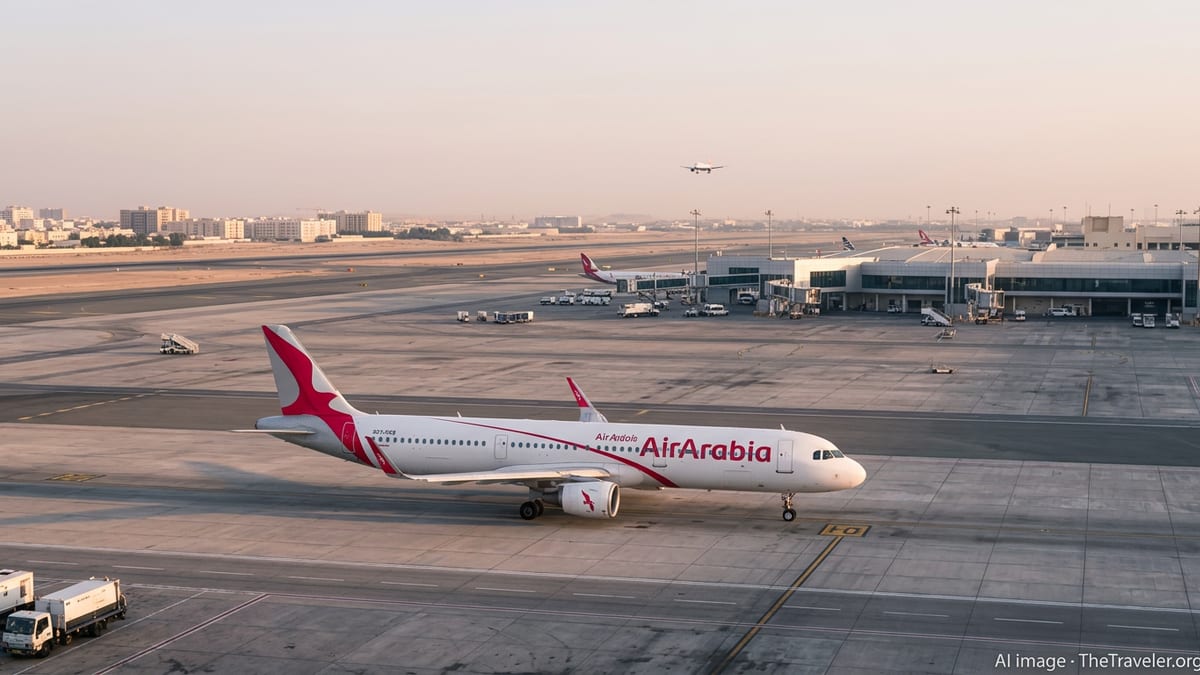
Flight delays and cancellations build through the morning
Early operational data and live flight-tracking services indicate that a number of departures and arrivals at London Gatwick are running behind schedule on Tuesday, July 14, with some services already cancelled. A mix of short haul leisure routes to mainland Europe and domestic services appear most affected in the opening hours of the day.
Delays of around 30 to 60 minutes are being reported on several departures from the North and South Terminals, according to publicly available schedules. Some airlines have adjusted departure times the night before, while others are showing same-day disruptions, suggesting a combination of aircraft rotation issues and knock-on effects from earlier days.
A small number of cancellations are also visible on major tracking platforms, including flights to popular summer destinations in Spain and Italy. While overall operations at Gatwick continue, the early pattern points to a busier-than-usual day for schedule changes at the United Kingdom’s second-busiest airport.
Passengers are being advised through airline channels and airport information boards to monitor their flight status closely and arrive in good time, particularly for early morning and late evening departures when schedules are most compressed.
Rail disruption adds pressure to airport access
Travel to and from Gatwick is being complicated by disruption on the rail network serving the airport. National rail updates for this week highlight issues around Balcombe, on the key route between London, Gatwick and the south coast, with journey times extended and some services subject to short-notice changes.
Advisory notices show that passengers using trains between Haywards Heath and Gatwick Airport are being told to allow additional time for their journeys. While the airport’s dedicated station remains open, the combination of extended journey times and busier summer trains is likely to add pressure to check in and security queues, especially at peak hours.
Surface access reports for Gatwick have long underlined the importance of the rail link for managing road congestion and supporting sustainable travel to the airport. When that link is disrupted, even moderately, more passengers tend to switch to private cars, taxis or ride-hailing services, raising the risk of queues at terminal forecourts and car parks.
Travel planners suggest that anyone heading for flights on July 14 should check real-time rail information and consider earlier departures from central London, Brighton or other regional hubs to maintain a safe buffer before their flight closes.
Summer getaway collides with capacity constraints
The latest disruption comes as Gatwick is preparing for one of its busiest summer periods since the pandemic, with schedules indicating sustained high volumes of leisure traffic through July and August. Industry data and airline booking patterns show strong demand on Mediterranean routes, city breaks and family holiday destinations, putting pressure on runway slots and terminal capacity.
Gatwick’s recent planning and investment documents highlight the challenge of accommodating growth while maintaining punctuality and customer service. The airport’s masterplans and surface access strategies emphasise making best use of existing runway and terminal infrastructure, including work on the Northern Runway project and gate expansion at Pier 6 over the coming years.
In the near term, the most visible impact for passengers is likely to be crowded departure halls, busy security lanes and limited slack in the daily timetable. When minor technical issues, air traffic restrictions over Europe or weather disruptions occur, the tightly packed schedule can quickly translate into rolling delays and aircraft being out of position.
Travel commentators note that summer at Gatwick is increasingly characterised by small but cumulative disruptions rather than a single dominant cause. Staffing levels, air traffic control constraints and high aircraft utilisation across European networks all play a part in the pattern of delays now being seen.
Robotic car parking shifts from trial to expansion
Alongside operational challenges, Gatwick is pressing ahead with changes to how passengers park at the airport, including the gradual expansion of robotic parking systems in some car parks. Planning and strategy documents for the coming decade describe robotic or automated parking as a key tool for increasing on-airport capacity without building more extensive surface lots.
The technology, trialled in recent years, typically involves drivers dropping their vehicles in a reception area before robotic platforms move cars into high-density storage zones. By reducing the need for wide driving lanes and traditional bay layouts, the system can increase the number of cars that can be accommodated in a given footprint, while also limiting the time passengers spend searching for a space.
Gatwick’s surface access and car park strategy outlines an ambition to create several thousand additional spaces through a combination of new multi-storey facilities and automated parking phases. Recent documents point to incremental capacity gains from robotic parking as part of a broader plan to keep more parking on-airport, rather than relying on remote sites or informal local parking.
For passengers, the shift means that some long-stay and valet products are gradually being reconfigured, with clearer separation between traditional self-park areas and technology-driven zones. Travel information sites note that drivers should pay close attention to their booking confirmation and signage on arrival, as procedures may differ from previous trips.
Costs, convenience and what passengers should expect next
The evolution of Gatwick’s parking offer is taking place against a backdrop of rising charges for both parking and short-stay drop-off. Recent price comparisons show that the airport now sits among the higher-charging UK hubs for terminal forecourt access, with a flat fee for set-down zones and additional costs for longer stays in short-stay facilities.
Independent parking guides and consumer forums report that many travelers are weighing the cost of official on-airport parking against off-site park-and-ride operators or public transport. For longer holidays, the total bill for leaving a car at the airport can be significant, especially when combined with fuel and potential congestion charges for reaching the London area.
Gatwick’s sustainability and surface access plans highlight a long-term aim to rebalance how passengers reach the airport, with more emphasis on rail and zero-emission vehicles using facilities such as the dedicated electric forecourt near the South Terminal. At the same time, internal strategy papers underline that car parking revenue remains an important part of the airport’s business model, encouraging continued investment in solutions like robotic parking.
On a day of disruption like Tuesday, July 14, those broader trends translate into very immediate concerns for passengers. Longer check-in queues, busier rail services and evolving parking systems mean that travelers are being urged by airlines and travel advisers to build in extra time, double-check their route to the airport and be prepared for late-notice changes to flight times as Gatwick navigates the twin demands of summer crowds and ongoing infrastructure change.